
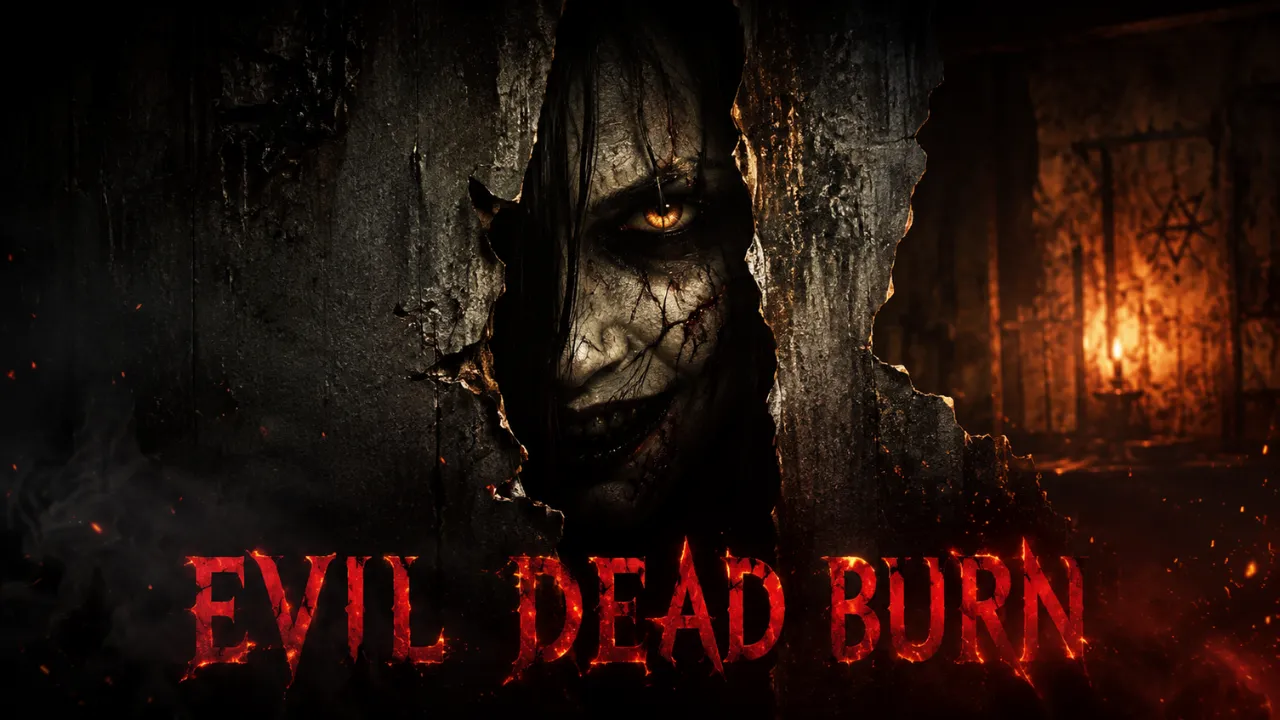
Since the announcement of Evil Dead Burn (2026), horror fans have been eager to see how the next chapter expands the Evil Dead universe. Following the success of previous entries like Evil Dead (2013) and Evil Dead Rise (2023), expectations are naturally high. While this film introduces new characters and a fresh setting, it still carries the brutal supernatural identity that has defined the franchise for decades.
In this review, we’ll examine the movie’s story, performances, direction, cinematography, horror elements, and whether it lives up to the franchise’s legacy—all without major spoilers.
A Quick Look at Evil Dead Burn
Before diving deeper into the movie, here is a quick overview of its essential details.
| Movie Information | Details |
|---|---|
| Movie Title | Evil Dead Burn (2026) |
| Franchise | Evil Dead |
| Genre | Supernatural Horror |
| Directed By | Sébastien Vaniček |
| Written By | Sébastien Vaniček |
| Produced By | Sam Raimi, Rob Tapert |
| Production Company | Ghost House Pictures |
| Country | United States |
| Cast | Souheila Yacoub, Hunter Doohan, Luciane Buchanan, Tandi Wright, Erroll Shand, Maude Davey, George Pullar, Greta van den Brink, Keanu Karim, Victory Ndukwe |
| Story Type | Supernatural Horror • Demonic Possession |
| Based On | Evil Dead franchise created by Sam Raimi |
| Filming Status | Released |
| Suitable For | Mature Horror Audiences (18+) |
The Legacy Behind the Evil Dead Franchise
Few horror franchises have influenced modern filmmaking as deeply as Evil Dead. What originally began as an independent horror project eventually evolved into one of the genre’s most recognizable names. Across multiple decades, the series established its reputation by blending terrifying supernatural encounters with relentless suspense and unforgettable visual creativity.
Rather than depending entirely on traditional ghost stories, the franchise introduced audiences to an ancient evil capable of corrupting ordinary people into horrifying creatures. This supernatural force became one of horror cinema’s most recognizable threats because it attacked both the body and the mind. Victims often transformed into terrifying versions of themselves, forcing friends and family to confront unimaginable nightmares.
The franchise also earned praise for constantly evolving. Every major installment experimented with new storytelling techniques while maintaining its distinctive identity. Some films leaned toward psychological horror, others emphasized intense survival situations, while several incorporated dark humor to contrast the terrifying violence. This willingness to adapt has helped keep the series relevant across generations.
Evil Dead Burn continues that tradition by introducing new characters, a fresh setting, and another terrifying encounter with supernatural evil while respecting the foundations that longtime fans appreciate.
What Makes Evil Dead Burn Different?
Rather than relying only on familiar franchise elements, Evil Dead Burn tries to introduce a different style of horror by giving more attention to its characters and the overall atmosphere before the supernatural events fully unfold. This movie takes a noticeably different approach by emphasizing emotional storytelling alongside supernatural terror.
Instead of rushing into nonstop scares, the story spends time establishing its characters and their relationships, making the later horror sequences feel more emotionally engaging. This slower pacing during the opening act allows viewers to understand personal relationships, emotional conflicts, and hidden fears. As a result, every horrifying encounter carries greater emotional weight because the audience already feels connected to the people fighting for survival.
The movie also focuses on creating tension through its setting, sound design, and slow-building suspense instead of depending only on frequent jump scares. Rather than relying exclusively on loud jump scares, the film frequently creates discomfort through silence, darkness, mysterious sounds, and uncertainty. Even ordinary environments become unsettling as strange events slowly increase in intensity.
The supernatural elements also feel unpredictable. Instead of following obvious horror clichés, several frightening moments arrive unexpectedly, keeping viewers uncertain about what might happen next. This unpredictability strengthens suspense throughout the movie and prevents the experience from becoming repetitive.
A Story Built Around Fear Instead of Action
One of the strongest qualities of Evil Dead Burn is its commitment to horror over spectacle. Modern films occasionally blur the line between action and horror, replacing psychological tension with nonstop explosions or exaggerated fight sequences. This installment chooses a different direction.
The narrative focuses primarily on survival. Every decision made by the characters feels increasingly desperate as supernatural forces begin to dominate their surroundings. Rather than portraying fearless heroes capable of defeating evil with confidence, the story presents ordinary individuals forced into unimaginable situations. Their vulnerability makes every confrontation more frightening.
Fear grows naturally because the supernatural threat appears unstoppable. The characters quickly realize that escaping physical danger alone may not be enough, as the demonic presence manipulates emotions, memories, and trust between survivors. This psychological dimension adds depth beyond traditional monster attacks.
The storytelling remains engaging because each revelation raises new questions instead of immediately providing answers. Mystery becomes an important element of the overall experience, encouraging viewers to remain invested until the final moments.
The Atmosphere Creates Constant Unease
Atmosphere has always been one of the defining strengths of the Evil Dead franchise, and Evil Dead Burn continues that tradition with remarkable effectiveness.
From the opening scenes, the environment itself feels unsettling. Empty spaces appear strangely alive, shadows conceal unknown dangers, and silence often becomes more frightening than loud sound effects. The filmmakers understand that true horror frequently emerges from anticipation rather than immediate violence.
Lighting plays a particularly important role throughout the film. Dimly illuminated rooms, flickering lights, isolated corridors, and dark landscapes contribute to an overwhelming feeling of vulnerability. Every location seems capable of hiding supernatural danger just beyond the viewer’s sight.
The production design further strengthens this atmosphere by incorporating worn environments, mysterious objects, disturbing symbols, and subtle visual details that reward attentive viewers. Nothing appears entirely safe, and even familiar surroundings gradually become terrifying as the supernatural presence grows stronger.
This carefully crafted atmosphere allows suspense to remain consistent even during scenes without direct violence.
Horror That Feels Both Physical and Psychological
Effective horror often combines visible danger with invisible fear, and Evil Dead Burn demonstrates this balance exceptionally well.
The physical horror delivers shocking imagery through intense practical effects, unsettling creature designs, and disturbing transformations. Rather than depending solely on digital technology, the film creates many frightening moments through realistic makeup, detailed prosthetics, and convincing visual effects that feel grounded within the story.
At the same time, psychological horror becomes equally important. Characters experience confusion, paranoia, guilt, and emotional isolation as supernatural events intensify. Viewers frequently question what is real, what might be imagined, and whether anyone can truly be trusted.
This combination keeps the horror feeling fresh. Physical violence provides immediate shock, while psychological tension lingers long after individual scenes conclude. The result is a viewing experience that remains emotionally exhausting in the best possible way for horror enthusiasts.
Characters Who Feel Like Real People
Strong horror depends on believable characters, and Evil Dead Burn benefits from a cast whose personalities extend beyond simple stereotypes.
Instead of filling the story with disposable victims, the screenplay introduces individuals carrying personal struggles, emotional baggage, and complicated relationships. These details create believable interactions before supernatural chaos begins.
Each character reacts differently to fear. Some attempt to remain logical despite increasingly impossible events. Others become overwhelmed by panic or emotional trauma. A few refuse to accept the horrifying reality surrounding them until it becomes impossible to deny.
These varied responses help the narrative feel authentic because people rarely react identically during extreme circumstances. Viewers naturally become invested in the characters’ survival rather than merely anticipating the next frightening sequence.
Relationships between the main characters also evolve under pressure. Trust becomes fragile as supernatural influence spreads, creating emotional conflict alongside physical danger. This combination of personal drama and relentless horror gives the movie greater depth than many conventional genre films.
Suspense That Builds Instead of Rushing
Many modern horror movies reveal their biggest scares too early, leaving little room for tension later in the story. Evil Dead Burn avoids this common mistake by carefully controlling its pacing.
The opening act introduces the setting, establishes character dynamics, and hints that something deeply disturbing is approaching. Strange events initially appear isolated, allowing uncertainty to dominate the narrative. Small supernatural incidents gradually increase in frequency until the terrifying reality becomes impossible to ignore.
This gradual escalation creates stronger emotional impact because viewers experience the growing fear alongside the characters. Every new revelation feels earned rather than forced.
As the narrative progresses, the suspense rarely disappears. Even quieter scenes remain emotionally charged because audiences understand that danger can emerge at any moment. This continuous tension transforms ordinary conversations, investigations, and exploration into memorable horror sequences.
Visual Storytelling Enhances Every Scene
Beyond its frightening moments, Evil Dead Burn demonstrates impressive visual storytelling that supports the narrative without excessive exposition.
Camera movement frequently reflects the emotional state of the characters. Slow tracking shots encourage anticipation, while sudden shifts in perspective intensify moments of panic. Close-up framing emphasizes emotional reactions, allowing viewers to experience fear through the characters’ expressions rather than relying solely on graphic imagery.
The movie also uses environmental storytelling effectively. Small background details, damaged objects, unusual symbols, and changing surroundings quietly communicate information without interrupting the narrative flow. These visual clues reward attentive viewers while enriching the overall atmosphere.
Color grading deserves recognition as well. Muted tones dominate much of the film, reinforcing feelings of isolation and despair. Occasional bursts of contrasting color become even more striking because of the restrained visual palette surrounding them.
Why Horror Fans Were Excited Before Release
Long before audiences entered theaters, Evil Dead Burn attracted considerable attention among horror enthusiasts. The franchise already possessed a passionate fan base, but anticipation extended beyond nostalgia alone.
Many viewers hoped the new installment would continue the darker direction established by recent entries while introducing original ideas rather than simply repeating previous stories. Early promotional material emphasized mystery instead of revealing major plot points, allowing speculation to grow naturally among fans.
Another source of excitement came from the franchise’s reputation for practical horror effects. Horror audiences frequently appreciate films that combine modern filmmaking technology with traditional makeup artistry, creature design, and realistic gore effects. Expectations remained high that the newest installment would continue this creative tradition.
The combination of an established legacy, fresh storytelling opportunities, and strong production values made Evil Dead Burn one of the more anticipated horror releases of its year.
Performances That Bring the Horror to Life
Every memorable horror film depends on more than frightening creatures or shocking visual effects. The performances play an equally important role because audiences only experience fear when they genuinely care about the people facing unimaginable danger. Evil Dead Burn succeeds in this area by presenting characters whose emotions feel authentic even when the story enters increasingly terrifying territory. Instead of relying on exaggerated reactions, the cast approaches each frightening situation with believable expressions of confusion, desperation, and determination.
One of the strongest aspects of the performances is the emotional consistency maintained throughout the film. Fear evolves naturally rather than appearing suddenly whenever a supernatural event occurs. As strange incidents become more disturbing, the characters gradually display signs of emotional exhaustion, growing paranoia, and physical stress. These subtle changes make their experiences feel realistic, allowing viewers to become emotionally invested in every decision they make.
Another impressive quality lies in the chemistry between the central characters. Conversations during the quieter moments never feel like simple transitions between horror scenes. Instead, these interactions reveal personal relationships, individual personalities, and emotional conflicts that later increase the impact of the supernatural chaos. When danger eventually separates or challenges these relationships, the audience understands what is at stake beyond simple survival.
Supporting performances also deserve recognition because every character contributes something meaningful to the atmosphere. Rather than functioning merely as background figures, they help establish tension through different perspectives and emotional responses. Some attempt to remain calm despite overwhelming circumstances, while others struggle with fear almost immediately. This variety prevents the story from feeling repetitive and reflects how real individuals might react under unimaginable pressure.
The cast also demonstrates remarkable physical commitment during the movie’s most demanding sequences. Horror films frequently require actors to perform under difficult conditions involving intense makeup, practical effects, emotionally exhausting scenes, and physically challenging environments. Those efforts become visible throughout the movie, enhancing the realism without distracting from the narrative itself.
Perhaps the greatest achievement of the performances is their ability to balance vulnerability with resilience. None of the characters appear invincible, and that uncertainty strengthens the suspense because viewers never feel certain about who might survive. Their emotional reactions become as memorable as the supernatural encounters themselves, giving Evil Dead Burn a stronger human foundation than many modern horror productions.
Ultimately, the acting elevates the movie beyond conventional genre expectations. Strong performances transform frightening situations into emotionally engaging experiences, reminding audiences that compelling horror depends just as much on believable characters as it does on terrifying monsters.
Direction That Respects the Franchise While Looking Forward
Directing a film within an established horror franchise presents unique challenges. Audiences expect familiar elements that honor previous installments while also demanding fresh ideas capable of surprising even longtime fans. Evil Dead Burn demonstrates a thoughtful approach to this balance, delivering a cinematic experience that respects the series’ legacy without becoming trapped by nostalgia.
Director Sebastian Vanicek shows confidence in allowing scenes to develop naturally rather than rushing toward constant action. Many modern horror films attempt to maintain excitement through nonstop jump scares, but this approach often reduces emotional impact. Here, suspense grows steadily through patient storytelling, carefully composed visuals, and deliberate pacing that encourages viewers to anticipate rather than merely react.
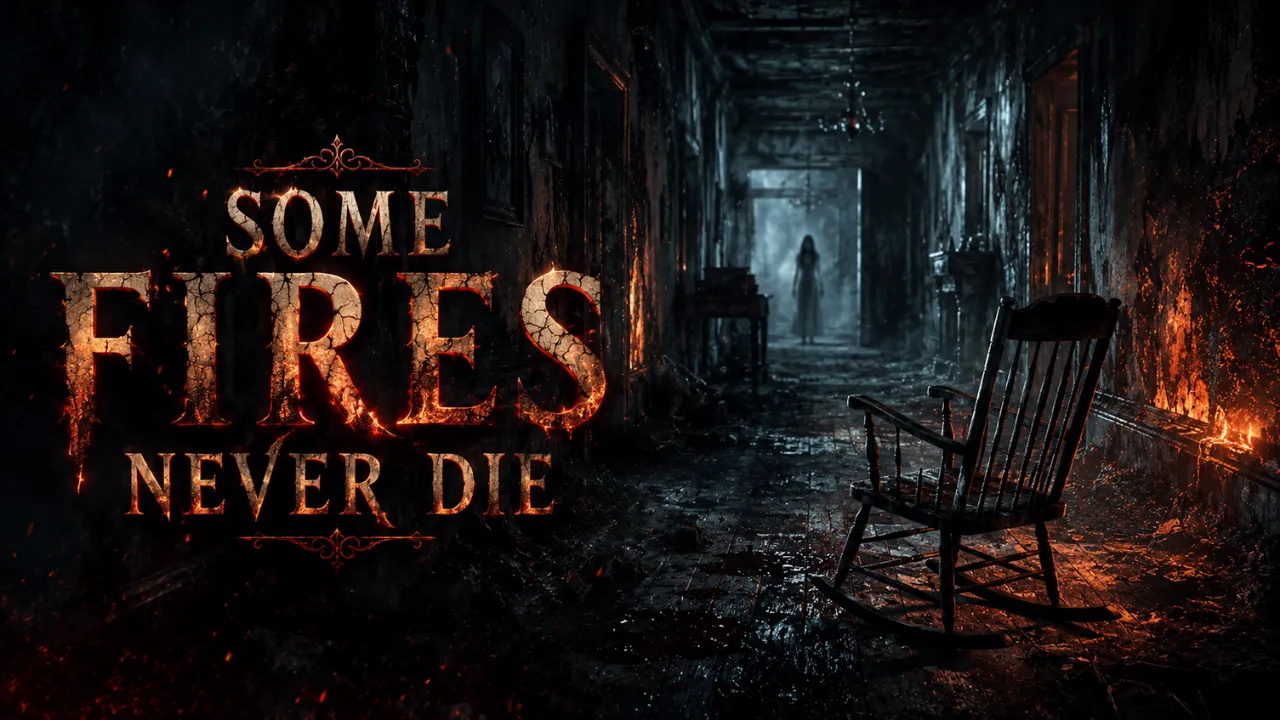
Another notable strength is the handling of atmosphere. Instead of relying exclusively on graphic violence to create fear, the direction frequently emphasizes uncertainty. Long corridors, abandoned locations, flickering lights, unusual sounds, and unexplained movements transform ordinary environments into deeply unsettling spaces. This method keeps audiences engaged even during moments without direct supernatural activity.
Character-focused storytelling also receives considerable attention. The camera often lingers on facial expressions, silent reactions, and subtle emotional changes rather than immediately revealing every source of danger. This decision encourages viewers to imagine unseen threats, often creating stronger fear than explicit visual confirmation.
Action sequences benefit from clear visual organization. Rather than overwhelming audiences with confusing editing or excessive camera movement, the film maintains spatial awareness during intense moments. Viewers understand where characters are located, how danger approaches, and what obstacles complicate their attempts to escape. This clarity strengthens suspense because every decision feels meaningful.
The director also demonstrates restraint by allowing quieter scenes sufficient time to establish emotional context. These moments may initially appear less dramatic than the horror sequences, yet they become essential because they develop relationships and motivations that later increase emotional investment. Without this foundation, the frightening events would carry significantly less impact.
Another admirable quality involves balancing practical effects with modern filmmaking technology. Instead of depending entirely on digital imagery, the movie incorporates tangible environments and realistic creature work whenever possible. This combination preserves the physical presence that has always distinguished the Evil Dead franchise while still benefiting from contemporary visual enhancements.
Creative camera placement contributes significantly to the storytelling. Certain scenes adopt perspectives that make viewers feel trapped alongside the characters, while others observe events from unsettling distances that increase uncertainty. These visual decisions consistently support the emotional tone rather than drawing unnecessary attention to technical techniques.
Overall, the direction reflects a clear understanding of horror as an emotional experience rather than merely a collection of frightening images. Through careful pacing, atmospheric storytelling, and thoughtful visual composition, Evil Dead Burn maintains tension from beginning to end while honoring the franchise’s distinctive identity.
Screenplay That Prioritizes Suspense Over Predictability
A successful horror screenplay does far more than create opportunities for frightening scenes. It establishes believable characters, develops emotional stakes, and carefully controls the flow of information so audiences remain curious throughout the journey. Evil Dead Burn demonstrates many of these strengths through a script that values gradual suspense instead of immediate shock.
The opening portion of the narrative introduces characters in a way that feels natural rather than forced. Instead of delivering lengthy exposition, the screenplay reveals personalities through conversations, everyday interactions, and subtle behavioral details. These moments allow audiences to understand relationships before supernatural events begin disrupting ordinary life.
Dialogue remains grounded despite the increasingly extraordinary circumstances. Characters speak in ways that reflect confusion, disbelief, and emotional vulnerability rather than delivering unrealistic speeches or exaggerated reactions. This authenticity helps maintain immersion, especially during scenes where supernatural events challenge their understanding of reality.
Another positive aspect is the screenplay’s willingness to embrace mystery. Rather than explaining every supernatural occurrence immediately, the narrative gradually reveals information as the story progresses. This approach encourages viewers to remain engaged while allowing suspense to develop naturally.
Pacing also deserves praise. Instead of alternating predictably between quiet conversations and sudden scares, the screenplay frequently blends emotional tension with subtle supernatural disturbances. This technique ensures that even dialogue-heavy scenes retain an underlying sense of unease.
Conflict emerges from multiple directions rather than relying solely on external threats. Characters must confront fear, uncertainty, mistrust, and personal emotional struggles alongside the supernatural danger surrounding them. These layered conflicts enrich the narrative while preventing the horror from becoming repetitive.
One particularly effective element involves the screenplay’s use of uncertainty. Viewers often possess only slightly more information than the characters themselves, encouraging audiences to experience confusion alongside the protagonists. This shared uncertainty strengthens emotional engagement and increases suspense throughout the film.
The screenplay also avoids excessive repetition. Each major sequence introduces new challenges, preventing the narrative from falling into predictable cycles of attack, escape, and recovery. Every confrontation contributes additional emotional or narrative development rather than functioning as isolated spectacle.
Although horror naturally remains the primary focus, the script understands that fear becomes more meaningful when connected to human experiences such as trust, guilt, grief, courage, and sacrifice. These emotional themes enrich the overall story without distracting from its supernatural foundation.
By emphasizing character development, carefully structured suspense, and emotionally grounded storytelling, the screenplay provides a solid framework that supports every aspect of the movie.
Cinematography That Creates Constant Tension
Visual storytelling forms one of the most important components of effective horror cinema, and Evil Dead Burn demonstrates impressive craftsmanship through its cinematography. Rather than treating the camera simply as a recording device, the filmmakers use composition, movement, lighting, and perspective to shape the audience’s emotional experience.
Lighting immediately establishes the film’s unsettling atmosphere. Dark environments rarely appear completely black; instead, shadows conceal potential dangers while limited light sources create uncertainty about what may exist beyond visible spaces. This careful balance allows viewers to remain alert throughout the movie.
Camera movement also plays an important role. Slow tracking shots encourage anticipation by revealing environments gradually, while more dynamic movements increase urgency during moments of immediate danger. These transitions between calm observation and intense motion reflect the emotional rhythm of the story itself.
Framing choices consistently reinforce isolation. Characters frequently appear surrounded by empty space, emphasizing vulnerability even before supernatural threats become visible. Wide shots reveal how insignificant individuals appear within dangerous environments, while close-ups capture subtle emotional reactions that communicate fear without requiring dialogue.
The cinematography also uses depth effectively. Background elements often remain slightly obscured, encouraging audiences to search every corner of the screen for hidden movement or unexplained details. This visual uncertainty transforms ordinary environments into sources of continuous suspense.
Color grading supports the narrative through restrained visual tones that reinforce feelings of unease. Rather than relying on exaggerated stylistic effects, the movie adopts a grounded appearance that allows disturbing moments to feel more believable. Strategic use of contrast further highlights important visual details during critical scenes.
Another notable strength lies in environmental composition. Abandoned interiors, damaged structures, mysterious symbols, and carefully arranged production design combine to tell stories without requiring explicit explanation. Every location appears to possess its own unsettling history, enhancing the overall atmosphere.
The cinematography also demonstrates confidence by allowing certain moments to unfold without excessive editing. Longer takes encourage viewers to observe environments carefully, increasing anticipation because danger could emerge from any direction. This patience contrasts effectively with faster editing during moments of immediate terror.
Overall, the visual presentation strengthens every emotional aspect of the movie. Through intelligent camera work, atmospheric lighting, and carefully constructed compositions, Evil Dead Burn creates a cinematic experience that remains visually engaging from beginning to end.
Visual Effects and Practical Horror
One of the defining characteristics of the Evil Dead franchise has always been its creative approach to horror effects. While technology has evolved dramatically over the years, fans continue to appreciate practical craftsmanship that gives supernatural threats a tangible presence. Evil Dead Burn embraces this tradition by blending practical techniques with carefully integrated digital enhancements.
Practical makeup effects contribute significantly to the realism of the horror sequences. Physical prosthetics, detailed creature designs, and convincing transformations provide textures that digital imagery alone often struggles to replicate. These practical elements help maintain the franchise’s distinctive identity while giving frightening moments greater visual impact.
Digital effects are used thoughtfully rather than excessively. Instead of overwhelming every supernatural scene with computer-generated imagery, visual technology primarily enhances practical work by extending environments, refining creature movements, and supporting complex sequences that would otherwise be impossible to achieve safely.
Environmental destruction also benefits from this balanced approach. Damage to locations, unsettling visual phenomena, and supernatural disturbances feel grounded because practical effects establish believable physical interactions before digital enhancements expand the scale.
Another strength involves consistency. Visual effects maintain a coherent artistic style throughout the movie instead of shifting dramatically between practical realism and exaggerated digital spectacle. This consistency helps preserve immersion while allowing audiences to focus on the emotional experience rather than technical execution.
Ultimately, the effects serve the story rather than distracting from it. Every frightening transformation, supernatural encounter, and disturbing visual moment exists to strengthen suspense and emotional engagement, ensuring that technology remains a storytelling tool instead of becoming the primary attraction.
Frequently Asked Questions (FAQs) About Evil Dead Burn (2026)
1. What is Evil Dead Burn about?
Evil Dead Burn is a supernatural horror film that follows a group of people who become trapped in a terrifying situation after encountering an ancient evil force. As mysterious events unfold, they must fight to survive against a relentless supernatural threat while facing fear, uncertainty, and unimaginable horrors.
2. Is Evil Dead Burn connected to the previous Evil Dead movies?
Yes. Evil Dead Burn is part of the long-running Evil Dead franchise. While it introduces a fresh story and new characters, it retains the supernatural horror style, dark atmosphere, and franchise elements that fans have come to expect.
3. Do I need to watch the earlier Evil Dead films first?
No. New viewers can enjoy Evil Dead Burn as a standalone horror movie. However, watching the previous entries may help you better appreciate the franchise’s themes, mythology, and evolution over the years.
4. What genre is Evil Dead Burn?
The movie belongs to the supernatural horror genre. It combines psychological tension, suspense, disturbing visuals, and intense survival elements to deliver a gripping horror experience.
5. How long is Evil Dead Burn?
The movie has a runtime of approximately 1 hour and 51 minutes, offering a fast-paced yet suspenseful horror experience.
6. Is Evil Dead Burn suitable for family viewing?
No. Due to its horror themes, frightening sequences, graphic violence, disturbing imagery, and mature content, Evil Dead Burn is intended for mature audiences and may not be appropriate for younger viewers.
7. What makes Evil Dead Burn different from other horror movies?
One of the film’s biggest strengths is its balance between psychological suspense and supernatural horror. Instead of relying only on jump scares, it builds tension through atmosphere, emotional storytelling, unsettling visuals, and well-developed characters.
8. Does Evil Dead Burn have intense horror scenes?
Yes. Fans of the franchise can expect numerous suspenseful and frightening moments, including supernatural encounters, disturbing visuals, and emotionally intense sequences that contribute to the film’s dark atmosphere.
9. Is Evil Dead Burn worth watching?
If you enjoy supernatural horror, survival stories, and atmospheric filmmaking, Evil Dead Burn is worth adding to your watchlist. It offers a modern horror experience while staying true to the signature style of the Evil Dead franchise.
10. Who should watch Evil Dead Burn?
The movie is ideal for viewers who enjoy supernatural thrillers, psychological horror, survival-based stories, and dark cinematic experiences. Longtime Evil Dead fans and newcomers looking for an intense horror film may both find it entertaining.
11. Does Evil Dead Burn focus more on story or jump scares?
The film aims to balance both elements. While it includes tense horror sequences, it also spends time developing its atmosphere, characters, and emotional stakes, creating a more immersive viewing experience.
12. Where can I find more movie reviews like this?
You can explore our Hollywood movie blog for detailed reviews, movie guides, entertainment news, upcoming film updates, and in-depth coverage of the latest horror releases. We regularly publish original content to help movie lovers discover new films and stay informed about the entertainment industry.
Conclusion
Evil Dead Burn proves that a long-running horror franchise can continue to evolve while staying true to the elements that made it iconic in the first place. Rather than relying only on familiar references or predictable scares, the film delivers a tense supernatural experience that combines atmospheric storytelling, emotionally driven characters, and relentless suspense. Its careful balance of psychological tension, unsettling visuals, and intense horror sequences creates an engaging experience for viewers who appreciate well-crafted genre films.
What makes this installment particularly effective is its commitment to building fear through mood and anticipation instead of depending solely on sudden shocks. The performances add emotional depth, the direction maintains a consistent sense of unease, and the visual presentation enhances every moment without overshadowing the story itself. Together, these elements create a horror film that feels immersive from beginning to end while respecting the legacy of the Evil Dead franchise.
Whether you have followed the series for years or are discovering it for the first time, Evil Dead Burn offers a chilling cinematic journey filled with suspense, mystery, and unforgettable horror moments. While every viewer will have a personal opinion on where it ranks within the franchise, it successfully delivers the intensity and supernatural terror that fans expect from an Evil Dead film.
If you enjoy horror movies that focus on atmosphere, strong storytelling, and memorable supernatural thrills, Evil Dead Burn is a title worth exploring. It stands as another compelling chapter in one of horror cinema’s most enduring franchises, reminding audiences why the Evil Dead name continues to hold a special place among fans of the genre.