
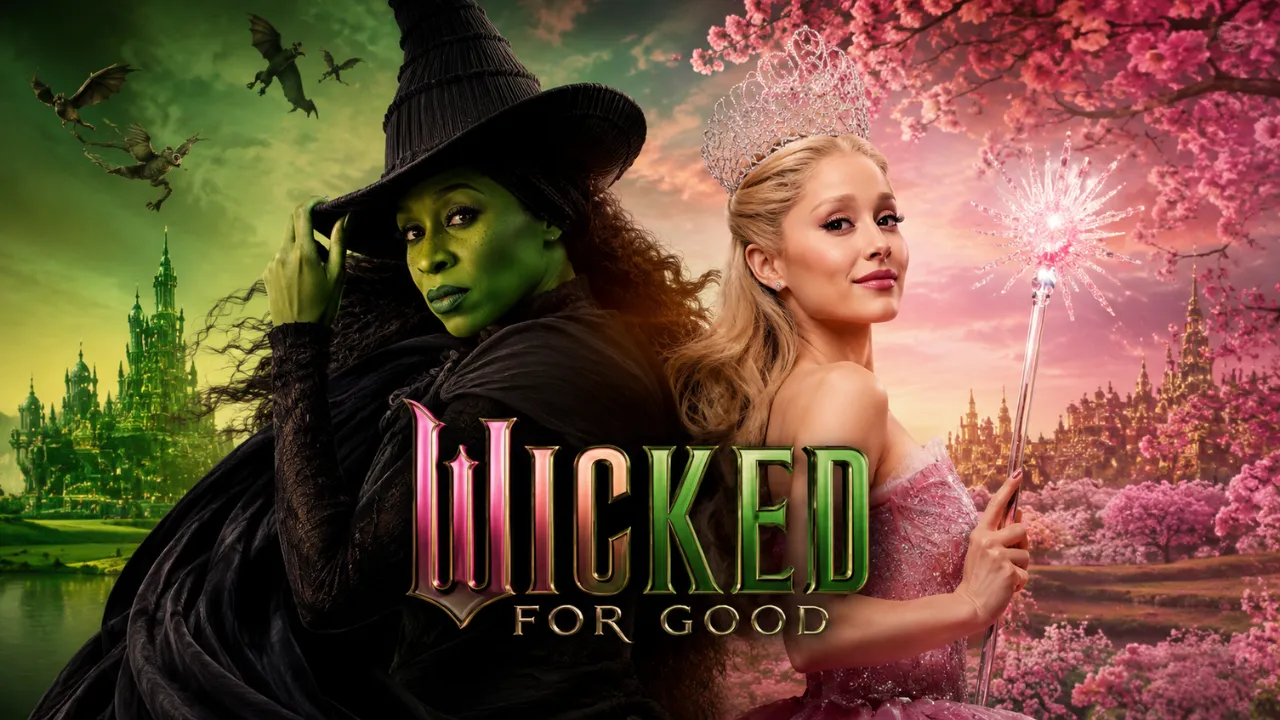
After watching Wicked: For Good, what stayed with me wasn’t just the grand musical numbers or the stunning fantasy world—it was the emotional journey between its central characters. The film takes everything that worked in the first installment and delivers a more mature, emotionally satisfying conclusion without losing the magic that made audiences fall in love with the story.
Rather than relying solely on fantasy elements, the story explores relationships, sacrifice, personal growth, and the consequences of choices. Every scene feels carefully crafted to deepen the audience’s understanding of the beloved characters while expanding the magical world around them. Instead of presenting a simple battle between good and evil, the movie asks a more meaningful question: can people truly understand one another when the world insists on dividing them?
For fans of musical cinema, fantasy adventures, and emotionally driven storytelling, Wicked: For Good offers a memorable experience that blends remarkable performances with breathtaking production values. From the opening sequence to its emotionally satisfying finale, the film continues to celebrate themes of friendship, courage, acceptance, and hope.
Whether you followed the Broadway phenomenon for years or discovered the story through its cinematic adaptation, this movie provides an engaging conclusion that rewards both longtime admirers and newcomers alike.
Review Note: This review is written after watching the film and focuses on its storytelling, performances, music, visual presentation, and overall viewing experience. To avoid spoilers, major plot developments have intentionally been left out.
Movie Overview
| Details | Information |
|---|---|
| Movie Title | Wicked: For Good |
| Genre | Musical, Fantasy |
| CBFC Rating (India) | U/A 16+ |
| Runtime | 2 Hours 17 Minutes |
| Language | English |
| Industry | Hollywood |
| Release Year | 2025 |
| Story Focus | Friendship, Destiny, Identity, Magic and Sacrifice |
The Story Continues Beyond Expectations
The narrative of Wicked: For Good picks up after the dramatic events that reshaped the lives of its central characters. The world they once knew has become increasingly divided, forcing every decision to carry lasting consequences.
At its heart, the story remains deeply personal despite its grand fantasy setting. Rather than focusing only on magical conflicts or political struggles, the film places its strongest emphasis on the emotional journeys of its characters. Their friendships evolve, loyalties are tested, and long-held beliefs begin to change as new truths emerge.
One thing I particularly appreciated while watching the film was how naturally the screenplay balances emotional drama with large-scale musical moments. Quiet conversations are given enough space to breathe instead of rushing toward the next spectacle.
One of the movie’s greatest strengths is its refusal to simplify complex relationships. Every important character experiences internal conflict, making their motivations feel authentic instead of predictable. As events unfold, viewers are encouraged to question assumptions about heroism, villainy, justice, and redemption.
Without revealing major plot developments, it is safe to say that the story reaches several emotional turning points that leave a lasting impression. Instead of relying on shocking twists alone, the narrative builds its emotional impact gradually, allowing every important moment to feel earned.
A Beautifully Written Tale of Friendship
Although magical kingdoms, enchanted creatures, and extraordinary powers fill the screen, the emotional center of Wicked: For Good remains friendship.
The relationship between the two leading women continues to evolve in meaningful ways. Their connection has always been more complicated than simple companionship, and this chapter explores those complexities with greater maturity. Misunderstandings, conflicting responsibilities, and personal sacrifices create emotional tension that resonates far beyond the fantasy setting.
Their journey reflects challenges familiar to many people in everyday life. Friendships change over time. Different dreams create distance. Difficult choices sometimes separate people who genuinely care for one another. Yet true affection often survives even the greatest obstacles.
This emotional realism allows audiences to connect with the characters regardless of age or background. While the magical world provides excitement, the human emotions give the story its lasting power.
Rather than portraying either character as entirely right or entirely wrong, the film presents both perspectives with empathy. This balanced approach encourages viewers to appreciate the complexity of every relationship instead of seeking easy answers.
Spectacular Visual Presentation
Watching the film on the big screen makes its production design even more impressive. Several scenes feel genuinely immersive because the practical sets, costumes, and lighting work together instead of relying only on CGI.
Grand castles, colorful villages, enchanted forests, towering architecture, and magical environments all contribute to an immersive viewing experience. Every frame appears thoughtfully composed, making the world feel both fantastical and believable.
The production design deserves particular recognition because it supports the storytelling rather than distracting from it. Each environment reflects the emotional atmosphere of the scenes taking place within it. Warm colors create comfort during intimate conversations, while darker visual tones enhance moments of uncertainty and conflict.
Costume design also plays a significant role in character development. Every outfit communicates personality, growth, social position, and emotional transformation without requiring lengthy explanations. As the story progresses, subtle wardrobe changes reinforce the characters’ evolving identities.
Lighting techniques further elevate the film by highlighting emotional contrasts between hope and despair, freedom and control, innocence and experience.
Instead of overwhelming audiences with constant visual effects, the filmmakers use computer-generated imagery carefully, allowing practical sets, costumes, and performances to remain the primary focus.
Music That Drives the Story Forward
As a musical fantasy, Wicked: For Good naturally places enormous importance on its soundtrack. Fortunately, the music serves much more than entertainment.
Even if you’re not someone who regularly watches musicals, many of the songs feel emotionally connected to the story rather than existing only as performances. That makes the musical sequences easier to enjoy for general audiences as well.
Every musical performance advances the story while revealing the inner thoughts and emotional struggles of the characters. Rather than interrupting the narrative, the songs become extensions of conversations that ordinary dialogue could never fully express.
The orchestral arrangements create a rich emotional atmosphere throughout the film. Gentle melodies accompany reflective scenes, while energetic compositions provide excitement during larger ensemble performances.
Each number has been carefully positioned within the story to maximize emotional impact. Instead of feeling repetitive, every performance introduces new emotional layers, allowing audiences to understand the characters more deeply.
The balance between vocal performances and cinematic storytelling demonstrates the filmmakers’ understanding of both musical theatre and modern filmmaking. This careful integration ensures that even viewers who are not regular fans of musicals remain engaged.
Outstanding Performances Bring Every Character to Life
Strong performances have always been one of the defining strengths of the Wicked franchise, and Wicked: For Good continues that tradition with remarkable confidence.
The leading performers deliver emotionally layered portrayals that capture vulnerability, determination, compassion, and resilience. Their chemistry remains believable throughout the film, making every shared scene feel sincere and emotionally meaningful.
Supporting cast members also contribute significantly to the overall quality of the movie. Rather than existing solely to support the protagonists, each character possesses distinct motivations and memorable moments that enrich the larger narrative.
Facial expressions, subtle gestures, vocal delivery, and emotional timing all combine to create performances that feel authentic despite the fantastical setting. Even during elaborate musical sequences, the emotional honesty never disappears.
One particularly impressive aspect of the acting is the balance between theatrical energy and cinematic realism. The performers embrace the expressive traditions of musical storytelling while maintaining enough subtlety for the camera’s close perspective.
This combination allows audiences to become emotionally invested in every important relationship across the film.
Themes That Make the Story Universally Relatable
Beneath its magical surface, Wicked: For Good explores ideas that remain deeply relevant in everyday life.
Identity forms one of the movie’s central themes. Several characters struggle to reconcile who they truly are with the expectations imposed upon them by society. Their journeys encourage viewers to embrace authenticity even when acceptance appears difficult.
Another significant theme involves prejudice and misunderstanding. The story demonstrates how appearances often influence public opinion more than truth itself. Rumors, fear, and political manipulation shape perceptions in ways that mirror many real-world situations.
Responsibility also plays an important role. Characters repeatedly face situations where personal happiness conflicts with the greater good. Their decisions illustrate the emotional complexity of leadership and sacrifice.
Forgiveness becomes another recurring element throughout the narrative. Rather than portraying redemption as simple or immediate, the film acknowledges that healing damaged relationships requires honesty, courage, and patience.
Because these themes are explored through compelling characters instead of lengthy speeches, they feel emotionally genuine rather than overly instructional.
Direction That Balances Emotion and Spectacle
Directing a large-scale musical fantasy presents unique creative challenges. Every sequence must balance storytelling, visual creativity, music, choreography, and emotional authenticity.
Wicked: For Good succeeds because its direction never loses sight of the characters at the center of the spectacle. At no point did the film feel like it was trying to impress viewers with spectacle alone. The emotional moments consistently receive as much attention as the visually ambitious sequences.
Large musical productions are staged with impressive scale, yet quieter conversations receive equal attention. Emotional pauses are allowed room to breathe, enabling audiences to absorb important character moments before the next dramatic development unfolds.
The pacing remains confident throughout much of the narrative. Instead of rushing toward major events, the film gradually builds emotional momentum, ensuring that significant scenes carry genuine weight.
Camera movement complements the performances rather than distracting from them. Wide shots emphasize the grandeur of the fantasy world, while intimate close-ups capture emotional vulnerability during quieter moments.
This careful visual storytelling creates an experience that feels cinematic without sacrificing the intimacy that made the original stage production so beloved.
Why Wicked: For Good Stands Out Among Modern Musical Films
Musical films have experienced renewed popularity over the past decade, but not every adaptation successfully translates theatrical magic into cinematic storytelling.
Wicked: For Good distinguishes itself by respecting both mediums equally. Instead of merely recreating stage performances, the film embraces the opportunities offered by cinema while preserving the emotional heart that audiences have cherished for years.
The combination of meaningful storytelling, memorable music, impressive production values, emotional performances, and thoughtful character development allows the movie to appeal to a broad audience.
Rather than depending entirely on nostalgia, it offers fresh emotional experiences that encourage viewers to reflect on friendship, compassion, courage, and acceptance.
This thoughtful balance between spectacle and sincerity is what makes the film feel genuinely rewarding instead of simply visually impressive.
Cinematic Experience That Feels Grand Yet Personal
One of the biggest achievements of Wicked: For Good is the way it combines spectacular filmmaking with genuine emotional storytelling. Many fantasy productions impress viewers through visual effects alone, but this film understands that memorable cinema depends on the people at the center of the story. Every breathtaking location, magical sequence, and elaborate musical number exists to support the emotional journey rather than overshadow it.
The cinematography deserves particular praise because every frame feels purposeful. Wide-angle shots capture the scale of the magical kingdom, while intimate close-ups allow audiences to witness subtle emotions that words cannot express. This contrast creates an engaging rhythm throughout the film, making every emotional revelation feel more powerful.
Another noticeable strength is the editing. Musical sequences flow naturally into dramatic scenes without disrupting the narrative. The transitions feel smooth, ensuring that viewers remain emotionally connected instead of becoming distracted by sudden tonal changes. This careful pacing allows every important moment to resonate before the next major development unfolds.
The sound design also contributes significantly to the immersive experience. From gentle environmental effects to the grand orchestral score, every audio element enhances the atmosphere. Even quiet scenes carry emotional depth through carefully balanced background music that never overwhelms the performances. I found that some of the quieter scenes left a stronger impression than the larger visual set pieces because they allowed the characters’ emotions to take center stage.
As a complete cinematic package, Wicked: For Good successfully demonstrates how technical excellence can strengthen storytelling rather than simply providing visual spectacle.
Character Development That Feels Authentic
The emotional success of Wicked: For Good largely comes from its commitment to believable character growth. Every important figure experiences meaningful development that reflects the consequences of earlier decisions.
Instead of remaining unchanged throughout the story, the central characters continue learning about themselves and one another. Their evolving perspectives create emotional tension that feels genuine because every transformation is supported by believable experiences rather than sudden personality changes.
The screenplay avoids simplistic portrayals of heroes and villains. Every individual possesses strengths, weaknesses, hopes, fears, and regrets. This balanced characterization encourages audiences to understand different viewpoints even when they disagree with certain decisions.
Relationships also receive significant attention. Friendships become stronger through adversity, while misunderstandings highlight the challenges of trust and communication. Romantic connections develop naturally without overshadowing the broader themes of loyalty, responsibility, and personal identity.
This thoughtful approach makes every interaction feel meaningful. Even supporting characters leave lasting impressions because each contributes something valuable to the larger narrative.
Emotional Moments That Stay With the Audience
Many fantasy films focus heavily on action, yet Wicked: For Good understands that emotional impact often creates the strongest memories.
Several scenes encourage viewers to reflect on forgiveness, compassion, courage, and sacrifice. Rather than relying on exaggerated melodrama, the movie presents these emotions through honest conversations, meaningful silence, and heartfelt performances.
One particularly impressive quality is the film’s willingness to slow its pace during emotionally significant moments. Instead of rushing toward the next musical performance or visual spectacle, the story allows characters to process their feelings in believable ways.
This patience strengthens the emotional payoff later in the narrative. When difficult decisions finally arrive, audiences fully understand the emotional stakes because the relationships have been carefully developed from the beginning.
The result is a story that remains emotionally satisfying even after the credits begin to roll.
Production Design Reflects a Living Fantasy World
Creating a believable fantasy universe requires far more than elaborate visual effects. Every location must feel lived-in, culturally distinct, and emotionally connected to the story.
The production designers behind Wicked: For Good accomplish this remarkably well. Architecture, costumes, interior decorations, landscapes, and props all contribute to a world that feels authentic despite its magical setting.
Every environment reflects the personalities of the people who inhabit it. Grand royal spaces communicate authority and tradition, while quieter locations provide warmth and intimacy during emotional conversations.
Attention to detail is evident throughout the movie. Decorative elements, symbolic colors, and carefully designed costumes subtly reinforce character development without drawing unnecessary attention to themselves.
Rather than overwhelming audiences with constant visual complexity, the film creates balance between grandeur and simplicity, allowing every location to support the narrative naturally.
Strengths of Wicked: For Good
There are many reasons why Wicked: For Good stands out among recent Hollywood fantasy releases.
Emotionally engaging storytelling remains one of its greatest achievements. The narrative consistently prioritizes meaningful relationships over unnecessary spectacle, creating lasting emotional investment.
The musical performances feel integrated into the story instead of functioning as interruptions. Every song contributes to character development or advances the plot.
Another impressive strength is the visual presentation. Costumes, cinematography, production design, lighting, and visual effects work together to create a consistently immersive world.
The performances elevate the material through believable emotional expression. Every important actor demonstrates strong chemistry with fellow cast members, making friendships and conflicts equally convincing.
Finally, the film’s exploration of themes such as identity, prejudice, forgiveness, responsibility, and acceptance gives the story relevance beyond its fantasy setting.
Who May Not Enjoy This Movie
- Viewers looking for constant action.
- People who generally dislike musicals.
- Those who haven’t watched the first film may miss some emotional context.
| Pros | Cons |
|---|---|
| Emotional storytelling | Slightly long runtime |
| Outstanding visuals | Slower second act |
| Excellent performances | Prior knowledge helps |
| Beautiful music | Not ideal for viewers who dislike musicals |
A Few Minor Limitations
Although Wicked: For Good offers an impressive cinematic experience, no film is entirely without imperfections.
Viewers unfamiliar with the earlier story may require some time to understand the relationships and emotional history between the principal characters. While the screenplay provides sufficient context, prior knowledge certainly enhances appreciation for several important moments.
Certain musical sequences also extend the overall runtime. Fans of musical theatre will likely welcome this approach, but audiences seeking a faster-paced fantasy adventure may occasionally feel the narrative slows during particularly elaborate performances.
Additionally, the emotional depth of the story means the film prioritizes character development over continuous action. This creative decision benefits the narrative but may surprise viewers expecting nonstop spectacle.
These observations remain relatively minor when compared with the movie’s many strengths.
Who Should Watch Wicked: For Good?
Wicked: For Good appeals to a remarkably broad audience because it combines multiple genres within a single cohesive story.
Fans of fantasy adventures will appreciate the imaginative world-building, magical environments, and visually impressive production design.
Musical enthusiasts will enjoy the carefully crafted performances, emotionally meaningful songs, and orchestral arrangements that support the narrative throughout.
Those who value character-driven storytelling will find plenty to admire in the film’s thoughtful exploration of friendship, loyalty, sacrifice, and personal growth.
Even viewers who do not regularly watch musicals may discover an engaging cinematic experience because the emotional storytelling remains accessible regardless of familiarity with the genre.
Families with older teenagers, Broadway admirers, and audiences seeking emotionally rich fantasy cinema are all likely to appreciate what this movie offers.
Final Review
As the concluding chapter of an extraordinary cinematic adaptation, Wicked: For Good succeeds on multiple levels. It respects the emotional legacy of the original story while confidently expanding its cinematic scale through remarkable production values, memorable performances, and thoughtful storytelling.
Rather than presenting fantasy purely as visual entertainment, the movie explores timeless themes that remain meaningful in everyday life. Friendship, compassion, identity, forgiveness, courage, and acceptance become the emotional foundation supporting every major event.
The impressive musical performances, beautiful cinematography, carefully designed fantasy world, and emotionally satisfying character arcs combine to create an experience that feels both spectacular and deeply personal.
Instead of relying on nostalgia alone, Wicked: For Good earns its emotional impact through honest storytelling and believable relationships. That achievement makes the film far more than another fantasy musical—it becomes an unforgettable conclusion to a beloved journey.
For audiences searching for a movie that balances breathtaking visuals with heartfelt emotion, Wicked: For Good delivers an experience worthy of attention. It reminds viewers that true strength often comes from kindness, understanding, and the courage to remain authentic even when the world demands otherwise.
About This Review
This review is based on watching Wicked: For Good in its original English version. The analysis focuses on storytelling, performances, music, production design, and the overall cinematic experience while avoiding major spoilers.
Frequently Asked Questions (FAQ)
Is Wicked: For Good a sequel?
Yes. It continues the story established in the first Wicked film and completes the larger narrative inspired by the acclaimed stage musical.
What genre is Wicked: For Good?
The movie combines fantasy, musical, drama, and emotional storytelling into a single cinematic experience.
Is Wicked: For Good suitable for family audiences?
The film carries a U/A 16+ certification in India. Older teenagers and adults will appreciate its emotional themes, fantasy elements, and musical performances.
Do I need to watch the first movie?
Watching the first installment is highly recommended because it introduces the major characters, relationships, and events that directly influence this concluding chapter.
What makes Wicked: For Good special?
Its greatest strengths include emotionally rich storytelling, memorable musical performances, outstanding production design, remarkable acting, meaningful themes, and visually stunning cinematography.
Author’s Note: This review reflects my personal viewing experience and focuses on the film’s storytelling, performances, music, and overall cinematic quality without revealing major spoilers. Individual opinions may vary depending on viewing preferences.
Conclusion
Few musical fantasy films successfully combine emotional storytelling with cinematic spectacle as effectively as Wicked: For Good. Every creative department contributes to an experience that feels polished, heartfelt, and visually unforgettable. Whether viewers are longtime admirers of the original stage production or newcomers discovering this magical world for the first time, the movie offers a rewarding conclusion filled with hope, emotion, and unforgettable moments.
Instead of simply delivering another fantasy adventure, Wicked: For Good reminds audiences that friendship, empathy, courage, and understanding possess a magic far greater than any spell. That timeless message ensures the film will remain meaningful long after its theatrical journey concludes.