
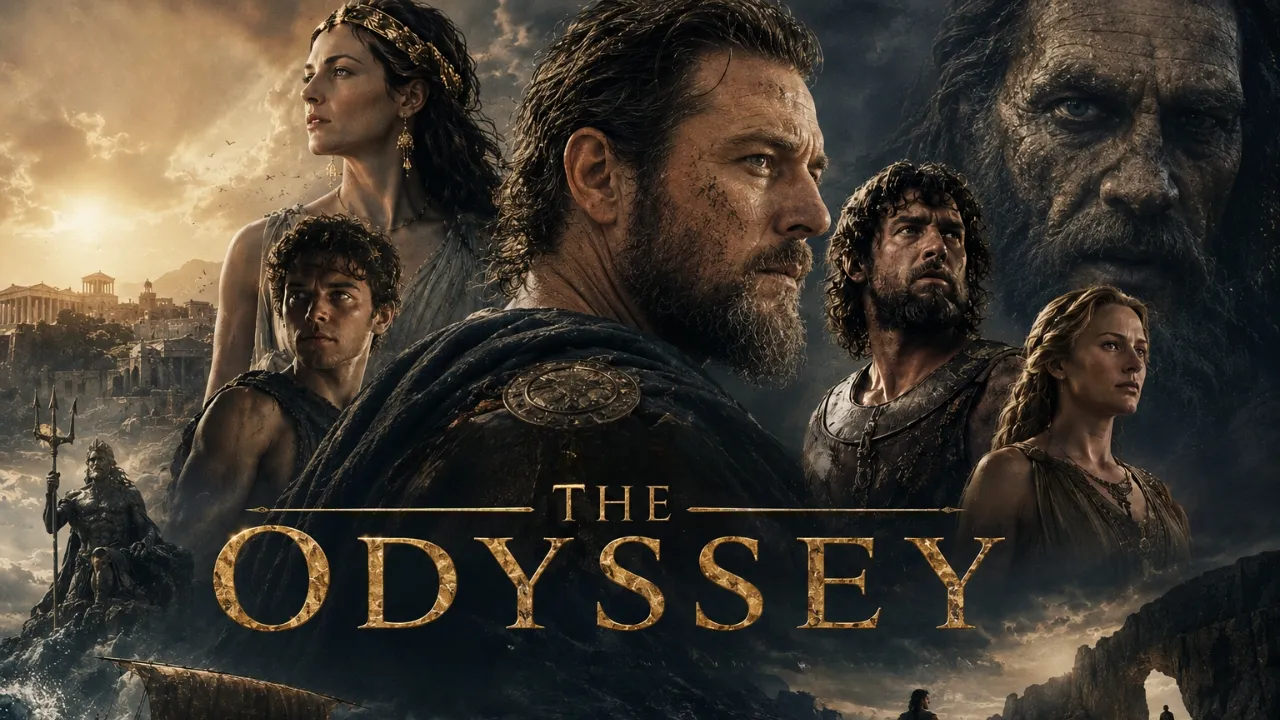
The world of cinema has always been fascinated by timeless stories, but only a handful of filmmakers possess the vision to transform legendary literature into a breathtaking cinematic experience. The Odyssey is one of those projects that has immediately captured worldwide attention, not simply because it adapts one of history’s greatest literary masterpieces, but because it is being brought to life on an extraordinary scale. From its ambitious production to its impressive ensemble cast and stunning filming locations, the movie has already become one of the most discussed upcoming Hollywood releases.
For generations, Homer’s ancient epic has inspired countless adaptations, books, theatrical performances, and television productions. Yet audiences have rarely seen the legendary voyage recreated with the level of craftsmanship that modern filmmaking can now achieve. With advanced practical effects, breathtaking cinematography, and a filmmaker celebrated for creating immersive experiences, The Odyssey promises to introduce this legendary journey to an entirely new generation while respecting the timeless themes that have made the story unforgettable for centuries.
Unlike many fantasy adventures that rely solely on visual spectacle, this project carries emotional depth at its core. It explores courage, sacrifice, resilience, family, leadership, temptation, and the enduring desire to return home after unimaginable hardship. These universal emotions continue to resonate regardless of culture or era, making the story just as meaningful today as it was thousands of years ago.
In this comprehensive guide, we’ll explore everything currently known about The Odyssey, including its inspiration, production, cast, storytelling approach, filming techniques, and why movie enthusiasts across the globe are eagerly waiting for its theatrical release.
Why The Odyssey Is One of the Most Anticipated Movies of 2026
Every year, Hollywood introduces dozens of large-scale productions, yet only a select few generate excitement long before audiences watch the first trailer. The Odyssey belongs to that exclusive category because several remarkable factors have aligned to make this project exceptionally significant.
The original literary work is considered one of humanity’s greatest achievements in storytelling. Its influence extends far beyond classical literature, inspiring modern novels, films, television series, video games, and even contemporary character development. Bringing such an iconic narrative to the big screen demands extraordinary creative responsibility.
Another reason for the overwhelming anticipation is the scale of production. Rather than depending entirely on digital environments, the filmmakers have embraced authentic locations, practical filmmaking techniques, and expansive visual storytelling. This approach has become increasingly appreciated by audiences who enjoy immersive cinematic experiences that feel tangible and realistic.
Industry experts also recognize that projects based on legendary myths often face enormous expectations. Fans want visual brilliance without sacrificing emotional authenticity, while newcomers hope for an accessible story that remains engaging even without prior knowledge of Greek mythology. Achieving both goals is no small challenge, making this adaptation particularly fascinating to follow.
A Timeless Story That Continues to Inspire Generations
One of the greatest strengths of The Odyssey lies in its timeless narrative. Although the original poem was written thousands of years ago, its emotional foundation remains surprisingly relatable.
At its heart, the story follows a hero attempting to return home after a long and devastating conflict. However, the journey itself becomes far more significant than the destination. Every obstacle introduces difficult choices that test courage, intelligence, patience, and loyalty.
Rather than portraying a flawless warrior, the narrative presents a complex protagonist whose victories often depend on wisdom instead of brute strength. This balance between physical endurance and intellectual problem-solving distinguishes the story from many traditional action adventures.
Throughout the journey, themes of hope, perseverance, identity, and personal growth emerge naturally. The hero repeatedly faces situations where pride, temptation, fear, and uncertainty threaten to derail the mission. These emotional conflicts make the adventure deeply human despite its mythical setting.
Modern audiences continue to connect with these ideas because life’s greatest challenges rarely involve monsters or mythical creatures. Instead, people constantly navigate uncertainty, personal sacrifice, difficult decisions, and the pursuit of meaningful goals. This emotional universality explains why The Odyssey remains relevant across generations.
What Makes This Adaptation Different?
Adapting an ancient epic for contemporary audiences requires far more than recreating famous scenes. Successful filmmakers must balance historical inspiration with cinematic storytelling that feels accessible to today’s viewers.
One of the most exciting aspects surrounding The Odyssey is the expectation that the movie will combine large-scale action with emotionally grounded storytelling. Rather than focusing exclusively on mythical encounters, the film is expected to emphasize character development and psychological depth.
Modern filmmaking technology also creates opportunities unavailable to previous adaptations. High-resolution cameras, innovative practical effects, realistic visual enhancements, and immersive sound design allow legendary locations and creatures to feel more believable than ever before.
Equally important is the emphasis on realism. Recent Hollywood audiences have shown increasing appreciation for productions that blend spectacular visuals with authentic environments. Natural landscapes, practical sets, and real-world locations often provide greater emotional immersion than entirely computer-generated worlds.
This creative philosophy aligns perfectly with the epic nature of The Odyssey, allowing audiences to experience the journey as something physically demanding rather than merely visually impressive.
Quick Overview of The Odyssey (2026)
| Feature | Details |
|---|---|
| Movie Title | The Odyssey |
| Genre | Action, Fantasy, Adventure |
| Release Year | 2026 |
| Based On | Homer’s classic epic poem The Odyssey |
| Language | English |
| Production Style | Large-scale practical filmmaking with modern cinematic technology |
| Primary Themes | Adventure, survival, family, resilience, leadership, mythology |
| Audience | Fans of epic adventures, mythology, fantasy, historical storytelling, and cinematic spectacles |
The Enduring Legacy Behind The Odyssey
Few literary works have influenced world culture as profoundly as The Odyssey. Long before modern novels became popular, this epic poem introduced readers to an unforgettable journey filled with danger, mystery, temptation, and hope.
Its influence reaches well beyond literature. Numerous filmmakers, authors, playwrights, and artists have borrowed ideas, character arcs, and narrative structures from this legendary work. Even contemporary storytelling frequently incorporates themes first explored within its pages.
The story’s enduring popularity can largely be attributed to its remarkable balance between adventure and emotional depth. While mythical creatures, supernatural challenges, and extraordinary landscapes capture the imagination, the emotional heart of the narrative remains centered on perseverance, love, responsibility, and the longing for home.
These universal values continue to resonate because they transcend historical periods. Whether someone lives in ancient civilizations or today’s digital world, the desire to overcome adversity and reunite with loved ones remains universally meaningful.
A Cinematic Experience Designed for the Big Screen
Modern audiences increasingly seek theatrical experiences that justify watching a film in cinemas rather than waiting for home streaming. The Odyssey appears perfectly suited for large-format presentation because of its expansive storytelling and breathtaking visual ambition.
Epic landscapes, towering oceans, dramatic coastlines, ancient architecture, and large-scale practical sequences naturally benefit from premium cinema screens and immersive audio systems. Such productions encourage viewers to become emotionally invested in every stage of the journey rather than simply observing events unfold.
Another advantage of this approach lies in pacing. Instead of rushing through action sequences, epic storytelling often allows quieter emotional moments to breathe. Conversations, character decisions, and personal sacrifices become just as memorable as spectacular visual sequences.
This balance between spectacle and emotion is one of the defining characteristics that separates enduring cinematic classics from ordinary blockbuster entertainment. If executed successfully, The Odyssey could become an unforgettable theatrical experience that rewards repeated viewings for years to come.
The Cast Brings Extraordinary Talent Together
One of the biggest reasons behind the enormous excitement surrounding The Odyssey is its remarkable ensemble cast. Instead of relying on a single star to carry the entire production, the film brings together several accomplished performers known for delivering memorable performances across different genres.
A story of this magnitude demands actors capable of portraying emotionally layered characters while navigating physically demanding sequences. Epic adventures are not sustained by action alone; they require believable relationships, internal conflict, and convincing emotional growth. An experienced ensemble allows each major character to contribute meaningfully to the broader narrative, creating a richer cinematic experience.
Beyond individual performances, chemistry among the cast will likely play a significant role in shaping the audience’s emotional connection to the story. Ancient myths often revolve around loyalty, trust, betrayal, courage, and sacrifice, making believable interactions just as important as visual spectacle.
As official promotional material continues to emerge, viewers can expect a closer look at how each performer contributes to this ambitious adaptation and helps transform one of literature’s greatest journeys into a modern cinematic event.
The Storytelling Approach: Balancing Mythology with Human Emotion
One of the most fascinating aspects of The Odyssey is that its foundation is not built entirely on action or fantasy. While audiences naturally expect breathtaking visuals, intense battles, mysterious islands, and mythical creatures, the heart of the story has always been deeply human. That emotional core is one of the main reasons this ancient tale has remained relevant for centuries.
Unlike many modern fantasy adventures where the narrative revolves around defeating a powerful villain, this journey is driven by endurance. The central character faces countless obstacles, but every challenge also becomes a lesson about responsibility, patience, intelligence, and determination. Success is rarely achieved through physical strength alone. Wisdom, self-control, and strategic thinking often become the deciding factors.
This storytelling approach creates a richer viewing experience because every encounter carries emotional significance. Each destination represents more than another stop on an adventure; it reflects a new personal test that shapes the protagonist’s character. As the journey progresses, viewers witness growth, sacrifice, and resilience instead of a straightforward sequence of action scenes.
That balance between spectacle and emotional storytelling has become increasingly valuable in contemporary cinema. Audiences appreciate films that deliver memorable visuals while also providing meaningful character development. The Odyssey appears perfectly positioned to achieve both objectives by combining legendary mythology with timeless human experiences.
Characters That Could Leave a Lasting Impression
Every unforgettable adventure depends on memorable characters, and The Odyssey offers a remarkable collection of personalities. Rather than existing only to move the plot forward, each important figure represents different values, motivations, strengths, and weaknesses.
The central hero is expected to embody intelligence, resilience, leadership, and adaptability. Throughout the journey, difficult situations demand more than courage. Decisions made under pressure often carry emotional consequences that influence both personal relationships and the larger mission.
Supporting characters also contribute significantly to the narrative. Some provide guidance during moments of uncertainty, while others introduce conflict that forces the protagonist to reconsider priorities and values. Mythological figures, legendary rulers, mysterious strangers, and supernatural beings each play unique roles that expand the emotional and thematic depth of the story.
Instead of presenting characters as entirely heroic or completely villainous, the narrative traditionally explores moral complexity. Ambition, pride, temptation, loyalty, fear, and compassion frequently intersect, allowing audiences to connect with individuals whose choices feel emotionally believable despite the mythical setting.
This layered characterization is one of the reasons the story continues to resonate with readers and viewers across generations.
Visual Storytelling on an Epic Scale
Large-scale filmmaking has evolved dramatically over the past two decades. Improvements in camera technology, sound design, visual effects, and production techniques allow filmmakers to recreate ancient worlds with remarkable authenticity.
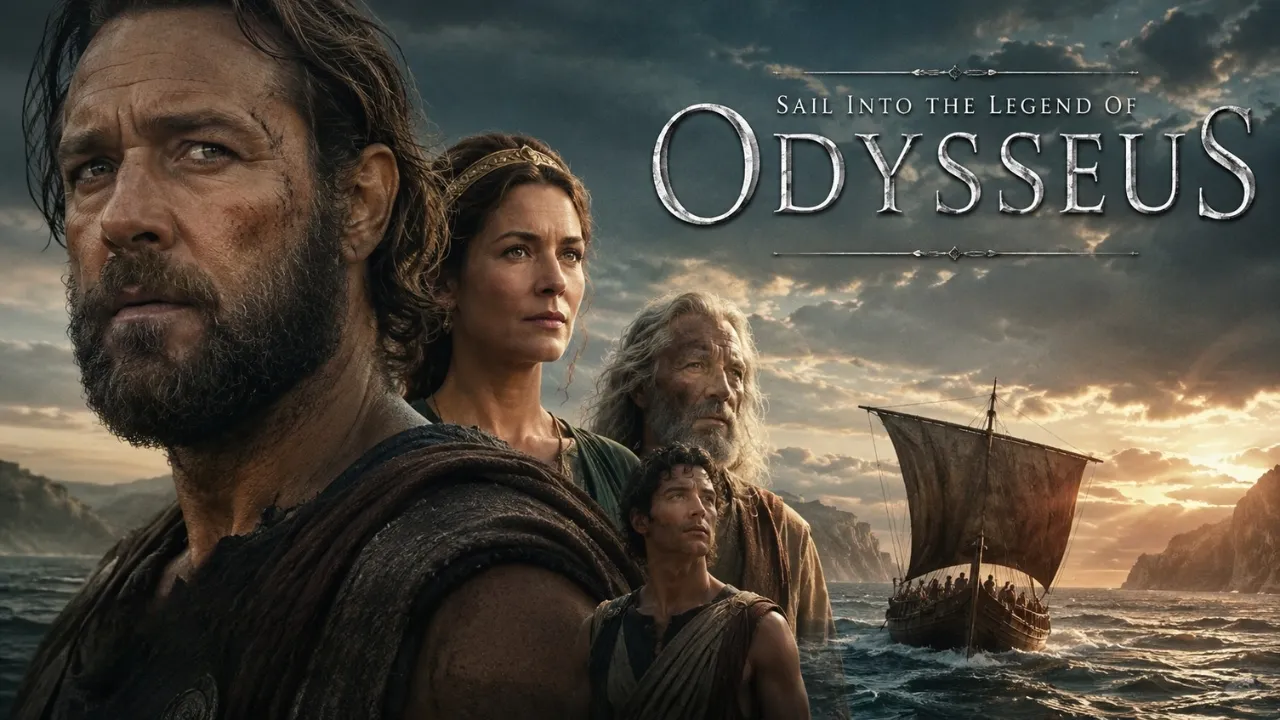
For The Odyssey, visual storytelling is expected to play an essential role in immersing audiences within the legendary journey. Expansive coastlines, dramatic mountain ranges, vast oceans, historic architecture, and carefully designed environments help transform mythology into a believable cinematic world.
Rather than overwhelming viewers with constant computer-generated imagery, modern productions increasingly combine practical filmmaking with carefully integrated digital enhancements. This creative philosophy often results in environments that feel more realistic and emotionally engaging because actors interact with genuine locations whenever possible.
Lighting also contributes significantly to atmosphere. Warm sunlight reflecting across open seas, storm-filled skies, mysterious caves, and ancient settlements each create distinctive moods that reinforce the emotional tone of individual scenes.
Visual storytelling extends beyond beautiful scenery. Costume design, historical inspiration, architectural details, and carefully crafted props collectively establish a convincing world where every frame contributes to the larger narrative.
Why Ancient Myths Continue to Fascinate Modern Audiences
Despite rapid technological advancement and changing entertainment trends, mythology continues to capture public imagination. Stories created thousands of years ago remain widely discussed because they explore emotions that transcend time.
Fear of uncertainty, hope during adversity, loyalty toward loved ones, temptation, personal ambition, forgiveness, and perseverance remain universal experiences. Ancient myths simply present these emotions through symbolic adventures rather than everyday situations.
The Odyssey illustrates this timeless appeal exceptionally well. Although its setting belongs to a distant historical era, its emotional themes mirror challenges that people continue to face today. Many viewers can relate to overcoming setbacks, pursuing meaningful goals, adapting to unexpected circumstances, and striving to return to what truly matters.
Modern filmmakers frequently revisit mythological narratives because they provide both imaginative possibilities and emotional familiarity. Spectacular adventures attract audiences initially, but meaningful themes are what leave lasting impressions long after the credits have rolled.
This combination of fantasy and emotional realism explains why adaptations of classic literature continue finding enthusiastic audiences around the world.
Expectations from the Performances
While visual spectacle often dominates conversations surrounding blockbuster productions, memorable performances frequently determine whether audiences develop lasting emotional connections with a film.
An ambitious adaptation such as The Odyssey demands performers capable of expressing vulnerability alongside courage. The central journey is not merely physical; it involves emotional exhaustion, difficult decisions, personal sacrifice, and unwavering determination. These internal struggles require subtle acting that extends beyond traditional action sequences.
Supporting performers also influence the overall experience by creating believable relationships throughout the story. Whether portraying trusted companions, influential leaders, mysterious figures, or mythological characters, every performance contributes to the authenticity of the cinematic world.
If the cast successfully balances emotional depth with large-scale adventure, the film could appeal equally to viewers seeking thoughtful storytelling and those looking for thrilling entertainment.
Production Scale and Attention to Detail
Creating an adaptation of a legendary epic requires enormous planning before cameras even begin recording. Every department contributes to building an authentic cinematic experience that respects the story’s historical inspiration while remaining accessible to modern audiences.
Production designers carefully develop environments reflecting ancient civilizations. Costume specialists research historical influences while adapting clothing for practical filmmaking. Art departments recreate architecture, ships, weapons, and everyday objects that support visual authenticity.
Meanwhile, cinematographers determine how every landscape, conversation, and action sequence should be presented. Their decisions regarding framing, movement, and lighting directly influence audience immersion.
Sound designers and composers also play vital roles. The combination of environmental sounds, orchestral music, and carefully designed audio effects helps transform individual scenes into emotionally powerful experiences.
When these creative departments work together effectively, viewers rarely notice the technical craftsmanship because they become fully invested in the story itself.
What Makes The Odyssey Stand Out Among Upcoming Hollywood Films?
Every major release competes for audience attention, yet only a handful possess characteristics that distinguish them from countless other productions.
Several factors contribute to the growing excitement surrounding The Odyssey.
First, the source material already enjoys legendary status within world literature. Few stories have influenced storytelling traditions as profoundly as this ancient epic.
Second, the production embraces large-scale filmmaking at a time when audiences increasingly appreciate immersive theatrical experiences. Practical locations, detailed production design, and ambitious cinematography all suggest a visually memorable film.
Third, the narrative combines multiple genres without relying exclusively on one style. Action, fantasy, adventure, mythology, historical inspiration, emotional drama, and psychological conflict naturally coexist throughout the story.
Finally, the universal themes ensure accessibility. Viewers do not need extensive knowledge of classical literature to appreciate ideas such as perseverance, hope, family, courage, and redemption.
Together, these qualities position The Odyssey as one of the most intriguing cinematic events of 2026.
Frequently Asked Questions
Is The Odyssey based on a true story?
No. The film is inspired by Homer’s ancient Greek epic poem, one of the most influential works of classical literature. Although it draws from mythology and historical traditions, the narrative itself is considered a legendary literary work rather than documented history.
What genre is The Odyssey (2026)?
The movie blends action, fantasy, adventure, mythology, and dramatic storytelling. Its narrative combines large-scale cinematic spectacle with emotional character development.
Why is this movie receiving so much attention?
Interest has grown because of its ambitious production, respected creative team, classic literary foundation, and the expectation of a visually immersive theatrical experience.
Do viewers need to read the original poem before watching the film?
Not necessarily. While familiarity with the original epic may provide additional context, modern adaptations are generally designed to be understandable and enjoyable for audiences discovering the story for the first time.
Is The Odyssey suitable for fantasy fans?
Yes. Anyone who enjoys epic adventures, mythological worlds, emotionally driven storytelling, and visually impressive filmmaking is likely to find the movie appealing.
Final Thoughts
Few stories have demonstrated the enduring cultural impact of The Odyssey. For thousands of years, readers have admired its unforgettable journey, memorable characters, and profound exploration of resilience, loyalty, and hope. Bringing such an influential narrative to modern cinema represents both an exciting opportunity and a significant creative challenge.
Based on the information available so far, the upcoming adaptation appears to prioritize grand visual storytelling while remaining rooted in the emotional themes that have made the original work timeless. Rather than depending solely on action or fantasy elements, the film has the potential to deliver a thoughtful adventure that resonates with audiences long after they leave the theater.
As more official trailers, promotional materials, and production updates become available, anticipation will undoubtedly continue to grow. Whether viewers are lifelong fans of classical mythology or simply enjoy ambitious Hollywood spectacles, The Odyssey is shaping up to be one of the most closely watched releases of 2026.
Its combination of legendary source material, cinematic ambition, and universal themes makes it a film worth following. If it successfully captures the spirit of the original epic while embracing the possibilities of modern filmmaking, The Odyssey could become one of the defining adventure films of the decade.