
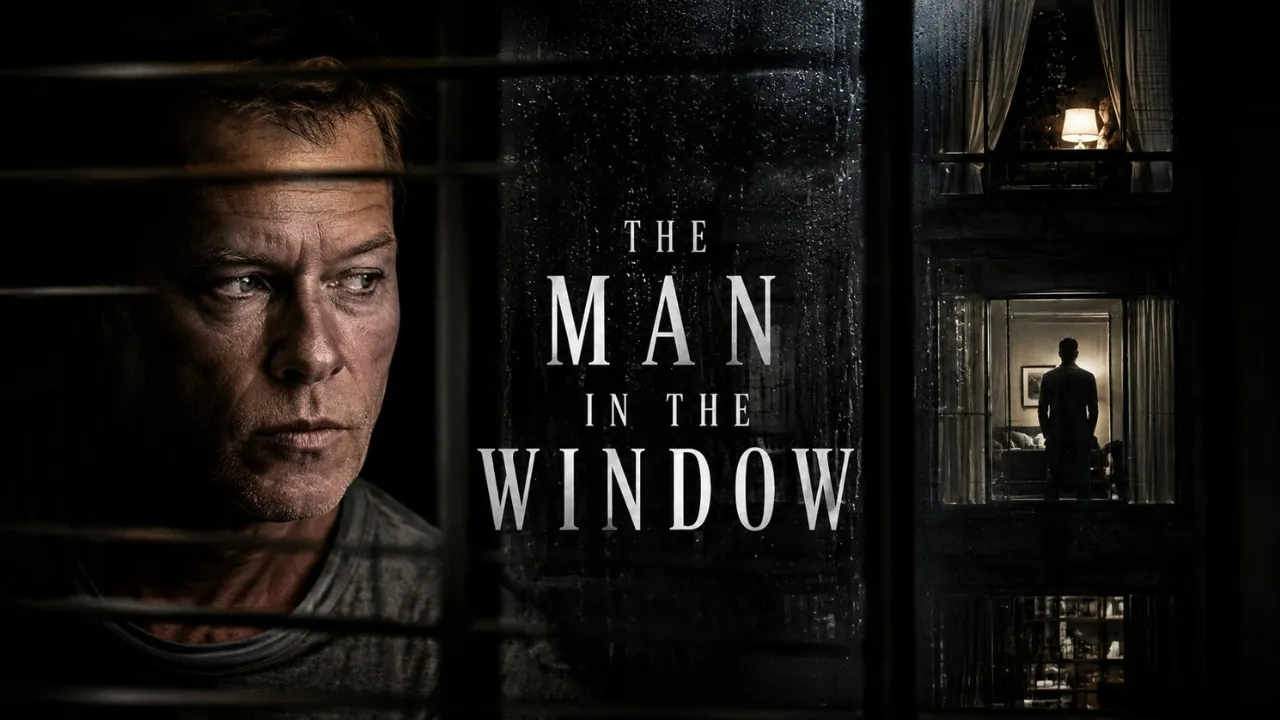
Mystery thrillers don’t always need explosive action to keep viewers engaged, and The Man in the Window is a good example of how slow-burning suspense can be just as effective. Some of the best entries in the genre rely on quiet suspense, strong performances, and the fear of the unknown. The Man in the Window (2026) follows that approach, telling the story of a widow who begins to suspect that her new neighbor may be hiding a dangerous secret. Rather than rushing into shocking twists, the film slowly builds tension through uncertainty and psychological conflict.
The story begins with what seems like an ordinary situation, but it quickly becomes far more unsettling. A woman begins to suspect that her mysterious new neighbor may be connected to a brutal murder. What starts as ordinary curiosity slowly transforms into obsession as every encounter, every glance, and every unexplained event fuels her growing fear. Instead of overwhelming viewers with nonstop twists, the film patiently builds suspense through uncertainty, making every conversation and every discovery feel increasingly significant.
This review explores every major aspect of the film, including its story, performances, direction, pacing, cinematography, soundtrack, strengths, weaknesses, and overall entertainment value while remaining largely spoiler-free.
Table of Contents
ToggleStory Overview
The Man in the Window centers around a widow whose peaceful life changes after a mysterious man moves into the house directly across the street. Initially, he appears quiet and reserved, avoiding unnecessary interactions with neighbors. However, following the shocking murder of another resident in the community, she begins noticing unusual patterns in his behavior.
Small details that once seemed meaningless gradually become impossible to ignore. Late-night movements, strange visitors, unusual routines, and moments of apparent secrecy combine to create an atmosphere filled with suspicion. Whether these observations represent genuine evidence or merely the product of anxiety becomes the central mystery driving the narrative.
Rather than presenting obvious answers, the screenplay encourages audiences to examine each clue alongside the protagonist. Every new revelation introduces additional questions instead of immediate solutions, allowing suspense to grow naturally throughout the investigation.
What kept me interested was that the film never rushed to reveal the truth. Every new clue made me question my earlier assumptions instead of confirming them. Even experienced thriller fans may find themselves reconsidering their theories multiple times as fresh information challenges previous assumptions. The screenplay understands that effective suspense comes not from constant surprises but from carefully controlled uncertainty.
A Suspenseful Premise That Feels Surprisingly Personal
One of the movie’s strengths is how it turns an ordinary neighborhood into a source of tension. Familiar streets, quiet houses, and dark windows gradually become unsettling as the protagonist grows more suspicious of her neighbor. Because the setting feels realistic, the mystery becomes easier to believe and more engaging to follow.
Richard Switzer’s Direction Creates Steady Tension
In The Man in the Window, Richard Switzer doesn’t rely on loud scares or flashy camera tricks. Instead, he lets silence, timing, and character reactions create most of the tension. Rather than relying on excessive jump scares or loud musical cues, his direction allows suspense to emerge from silence, timing, and atmosphere.
Many scenes are deliberately slow, encouraging viewers to observe the environment alongside the protagonist. Simple moments such as watching someone leave their house, noticing lights turning on late at night, or hearing distant noises become unexpectedly engaging because the audience constantly questions their significance.
The director demonstrates confidence by allowing scenes to breathe instead of rushing toward immediate payoffs. This patient style may not satisfy viewers expecting nonstop thrills, but it contributes significantly to the film’s psychological realism.
Another impressive aspect of the direction is the balance between emotional storytelling and mystery. While the investigation drives the narrative forward, the characters never become secondary to the plot. Their fears, grief, loneliness, and uncertainty remain central throughout the experience.
Strong Performances Elevate the Mystery
One of The Man in the Window’s greatest strengths lies in its cast. Rather than depending entirely on the screenplay, the actors bring emotional credibility that strengthens even quieter scenes.
Teri Polo carries much of the film on her shoulders. Even during quieter scenes, she makes the character’s fear and uncertainty feel believable. She portrays grief, determination, vulnerability, and fear with subtle expressions rather than exaggerated dramatics. Her performance makes viewers understand why the character cannot simply ignore what she believes she has witnessed.
Dylan Walsh brings an effective sense of ambiguity to his role. Without revealing too much through obvious expressions or dialogue, he maintains an intriguing balance between ordinary neighbor and potentially dangerous stranger. His restrained performance allows audiences to continuously question his true intentions.
Jamie-Lynn Sigler provides valuable support, helping ground the story through believable interactions that prevent the narrative from becoming overly isolated. The supporting cast also contributes naturally, creating a neighborhood that feels lived-in instead of artificially constructed for the mystery.
Because the performances remain understated, the emotional stakes feel authentic throughout much of the film.
Screenplay Focuses on Psychological Conflict
Instead of emphasizing graphic violence or sensational action, The Man in the Window’s screenplay concentrates on internal conflict rather than sensational action. Much of the suspense comes from uncertainty rather than physical danger.
The protagonist repeatedly questions her own instincts. Is she uncovering the truth, or has grief distorted her judgment? This emotional conflict becomes just as important as identifying the possible killer.
The writers deserve credit for avoiding excessive exposition. Information is revealed gradually through conversations, observations, and investigation rather than lengthy explanations. This storytelling approach encourages audiences to actively participate in solving the mystery.
Although certain developments follow familiar thriller conventions, the screenplay generally succeeds in maintaining engagement through well-timed revelations and believable character motivations.
Atmosphere Becomes the Film’s Greatest Weapon
Some thrillers rely on elaborate action sequences to maintain excitement. The Man in the Window chooses atmosphere instead, and that decision largely works in its favor.
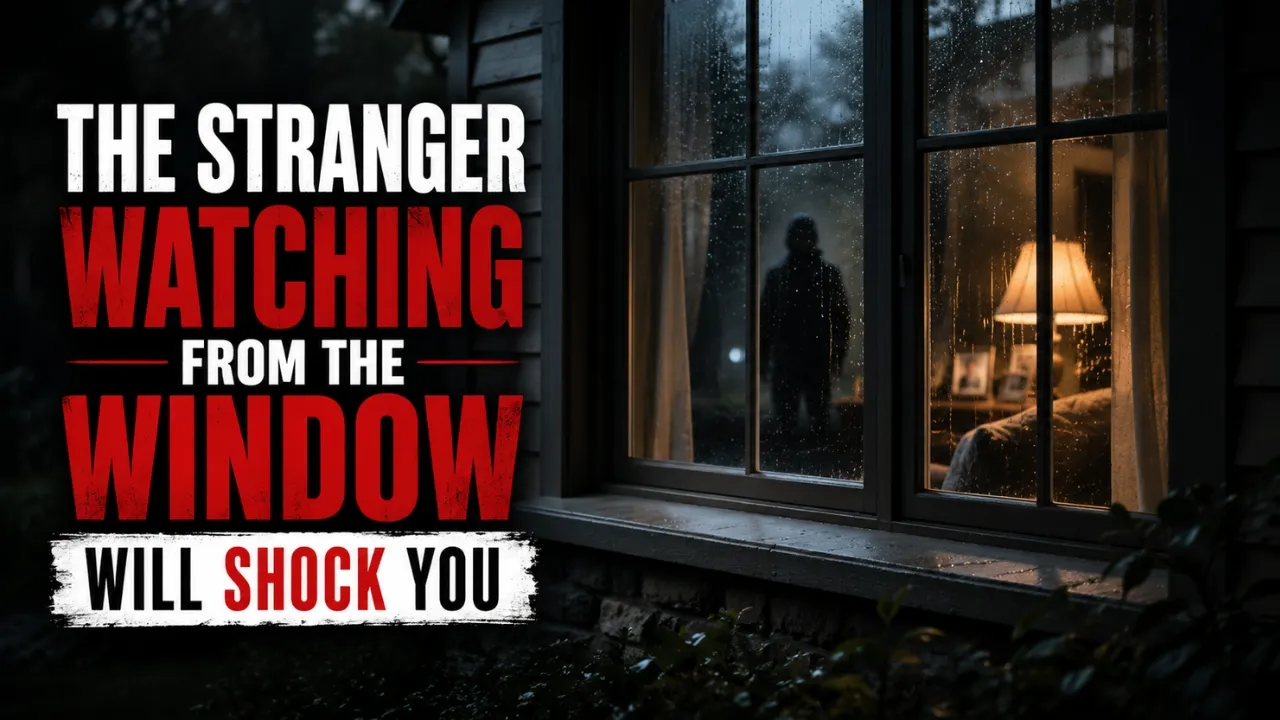
Lighting plays an important role throughout The Man in the Window, helping create a constant feeling of unease. Dim interiors, rainy evenings, quiet streets, and partially illuminated windows all contribute to an environment where uncertainty constantly lingers. Even scenes without direct conflict feel tense because viewers anticipate that something unexpected could happen at any moment.
The production design also deserves recognition for creating a neighborhood that appears comfortable during daylight but increasingly unsettling after sunset. Familiar locations gradually become emotionally unsettling as the investigation progresses.
Rather than overwhelming audiences with visual spectacle, the filmmakers use simplicity to strengthen suspense. The ordinary setting becomes frightening precisely because it feels believable.
Cinematography Builds Constant Unease
The camera work consistently supports the psychological nature of the story. Long-distance shots from windows, carefully framed doorways, reflections, and partially obscured viewpoints reinforce the central theme of observation.
Many scenes encourage viewers to search the frame for hidden details, creating the feeling that every image might contain an important clue. This visual strategy keeps audiences actively engaged instead of passively watching events unfold.
The cinematography also avoids unnecessary stylistic excess. Camera movements remain controlled, allowing performances and atmosphere to receive greater attention than flashy techniques.
The first half of the movie is dedicated to establishing the neighborhood, introducing the central characters, and allowing the audience to see events through the protagonist’s perspective. This gradual buildup creates a strong emotional connection with her growing fears. Every suspicious glance, every unexplained noise, and every unexpected encounter feels significant because the story has taken the time to establish the emotional stakes.
As the investigation progresses, the pace becomes noticeably tighter. New discoveries begin arriving more frequently, conversations take on greater importance, and the mystery starts moving toward its inevitable confrontation. By the final act, the film successfully transforms its quiet atmosphere into genuine suspense, proving that patience can be rewarded with an engaging payoff.
Although some scenes could have been shortened without affecting the overall story, the pacing generally supports the film’s psychological tone rather than working against it.
Character Development
What I liked most about The Man in the Window was that it spends enough time developing its main characters before focusing entirely on the mystery. This focus allows the emotional journey to feel just as important as the mystery itself.
The protagonist’s grief is more than a background detail—it shapes her decisions, influences her perspective, and raises compelling questions about perception and reality. The screenplay cleverly leaves room for doubt, encouraging viewers to ask whether her suspicions are based on genuine evidence or heightened emotional vulnerability. This ambiguity adds complexity to her character and prevents her from becoming a one-dimensional heroine.
The mysterious neighbor also benefits from restrained writing. Instead of portraying him as obviously sinister, the film keeps his intentions unclear for much of the runtime. His quiet personality, reserved behavior, and limited interactions make him both believable and unpredictable. The audience is constantly encouraged to question whether he is simply misunderstood or hiding something far more dangerous.
Supporting characters serve important narrative purposes as well. Friends, neighbors, and law enforcement each contribute different perspectives, preventing the story from becoming overly focused on a single viewpoint. Their skepticism and reactions create additional tension, forcing the protagonist to defend her instincts while making audiences question where the truth really lies.

Cinematography and Visual Storytelling
The visual presentation of The Man in the Window plays a crucial role in maintaining suspense. Rather than relying on elaborate camera tricks, the cinematography embraces simplicity and subtlety.
Windows naturally become recurring visual motifs throughout the film. They symbolize observation, isolation, curiosity, and vulnerability. Characters frequently watch each other from a distance, creating an uneasy sense that someone is always being observed. These visual choices reinforce the movie’s central themes without drawing unnecessary attention to themselves.
Nighttime scenes are particularly effective. Soft lighting, empty streets, rain-soaked sidewalks, and shadow-filled interiors create an atmosphere of uncertainty that complements the psychological narrative. Even ordinary suburban homes begin to feel unsettling once darkness falls.
The framing of many shots also deserves recognition. Characters are often partially obscured by curtains, doorways, reflections, or objects within the frame, visually representing the incomplete information available to both the audience and the protagonist. This technique strengthens the mystery while keeping viewers actively engaged in every scene.
Soundtrack and Sound Design
The film’s soundtrack wisely avoids overwhelming the audience with constant dramatic music. Instead, it relies on subtle compositions that quietly build tension beneath the dialogue and visuals.
Moments of silence are used just as effectively as musical cues. Rather than announcing danger through loud orchestral scores, the film often allows silence to heighten anticipation. This restrained approach feels more realistic and makes the eventual emotional peaks far more impactful.
Sound design also contributes significantly to the viewing experience. Everyday noises such as footsteps, distant doors closing, creaking floors, barking dogs, and passing vehicles become important storytelling tools. These familiar sounds remind viewers that danger often emerges from ordinary environments rather than extraordinary situations.
The balance between music and silence demonstrates confidence from the filmmakers, allowing atmosphere to develop naturally instead of relying on exaggerated audio effects.
Themes Explored Throughout the Film
While The Man in the Window functions effectively as a mystery thriller, it also explores several meaningful themes beneath its suspenseful surface.
Trust and Suspicion
The central question of the film revolves around trust. Can people truly know those living around them, or do appearances conceal deeper truths? Every interaction challenges assumptions about honesty, innocence, and deception.
Grief and Emotional Recovery
The protagonist’s personal loss influences every decision she makes. The film thoughtfully examines how grief can shape perception while avoiding simplistic conclusions. It neither dismisses her fears nor presents emotional trauma as a weakness.
Isolation
Despite living in a populated neighborhood, many characters experience emotional isolation. Closed doors, drawn curtains, and distant conversations emphasize how disconnected modern communities can become despite physical proximity.
What Works Well
The Man in the Window succeeds in several important areas that help distinguish it from more conventional mystery thrillers.
What stayed with me after the credits was the film’s ability to create tension without relying on constant action or jump scares. From beginning to end, the film maintains a sense of quiet unease that rarely disappears. Instead of depending on frequent shocks, it allows tension to grow naturally through uncertainty.
The performances also deserve considerable praise. The lead cast delivers believable, emotionally grounded portrayals that strengthen the screenplay’s psychological focus. Their understated acting style makes even simple conversations feel meaningful.
Another positive aspect is the screenplay’s willingness to trust its audience. Rather than explaining every detail immediately, it invites viewers to analyze clues and develop their own theories as the investigation unfolds. This interactive storytelling approach keeps audiences mentally engaged throughout much of the runtime.
Finally, the movie demonstrates admirable confidence in its slower pacing. Although this approach may divide audiences, it allows suspense to develop more organically than many contemporary thrillers that prioritize constant excitement over careful storytelling.
Where the Film Falls Short
Like most slow-burning thrillers, The Man in the Window isn’t without imperfections.
The measured pacing, while effective for atmosphere, occasionally becomes repetitive during the middle portion of the film. Certain investigative scenes revisit similar ideas without introducing significant new information, slightly reducing narrative momentum.
Some supporting characters also receive limited development. While the main performances remain strong, a few secondary roles exist primarily to move the plot forward rather than contribute meaningful emotional depth.
Experienced thriller fans may recognize several familiar storytelling techniques along the way. Although the film generally avoids becoming predictable, some narrative developments feel inspired by classic psychological suspense formulas.
The ending, while satisfying overall, may leave certain viewers wanting additional explanations regarding specific events. Whether this ambiguity is viewed as a strength or weakness will largely depend on individual preferences.
Comparison with Similar Mystery Thrillers
Viewers who enjoy suspense-driven stories focused on psychological tension rather than action will likely find The Man in the Window appealing. It shares thematic similarities with several well-known neighborhood thrillers, emphasizing observation, suspicion, and uncertainty instead of large-scale spectacle.
However, the film establishes its own identity by focusing more heavily on emotional realism than elaborate plot twists. Its greatest strength lies not in shocking the audience every few minutes but in creating sustained discomfort through believable situations and relatable fears.
Rather than attempting to reinvent the mystery genre entirely, the movie refines familiar ideas with thoughtful performances and restrained direction.
Is The Man in the Window Worth Watching?
For audiences who appreciate slow-burning psychological thrillers, the answer is yes. If you enjoy mysteries that slowly build toward the truth instead of revealing everything immediately, this film is worth checking out.
Those expecting high-speed action, graphic violence, or constant surprises may find the film more restrained than anticipated. However, viewers who enjoy carefully crafted suspense and character-driven storytelling will likely appreciate its thoughtful approach.
Its greatest accomplishment is creating tension from ordinary situations, proving that effective thrillers do not always require elaborate action sequences or extravagant production values.
Final Verdict
I enjoyed The Man in the Window more for its atmosphere and performances than for its mystery itself. While the story follows a familiar thriller formula in places, the strong lead performance and steady direction keep it engaging until the end. It won’t satisfy viewers looking for fast-paced action, but if you prefer slow-burning psychological suspense, it’s an enjoyable watch.
Frequently Asked Questions (FAQ)
Is The Man in the Window (2026) worth watching?
Yes. If you enjoy psychological mysteries, slow-burning suspense, and character-driven thrillers, the film offers an engaging experience with strong performances and a steadily unfolding mystery.
Who directed The Man in the Window?
The movie was directed by Richard Switzer, who takes a restrained approach to suspense, emphasizing atmosphere and emotional storytelling over flashy action.
Who are the lead actors?
The film stars Teri Polo, Dylan Walsh, and Jamie-Lynn Sigler, each delivering grounded performances that enhance the film’s realistic tone.
Is The Man in the Window full of jump scares?
No. The film relies far more on psychological tension, suspenseful situations, and an unsettling atmosphere than on traditional jump scares.
Is the movie suitable for mystery thriller fans?
Absolutely. Viewers who enjoy solving mysteries alongside the main character and appreciate gradual storytelling are likely to find the film rewarding.
Conclusion
Overall, The Man in the Window (2026) is a solid mystery thriller that succeeds through patient storytelling rather than constant surprises. It has a few pacing issues, but its performances and psychological tension make it an enjoyable choice for fans of slower suspense films.