
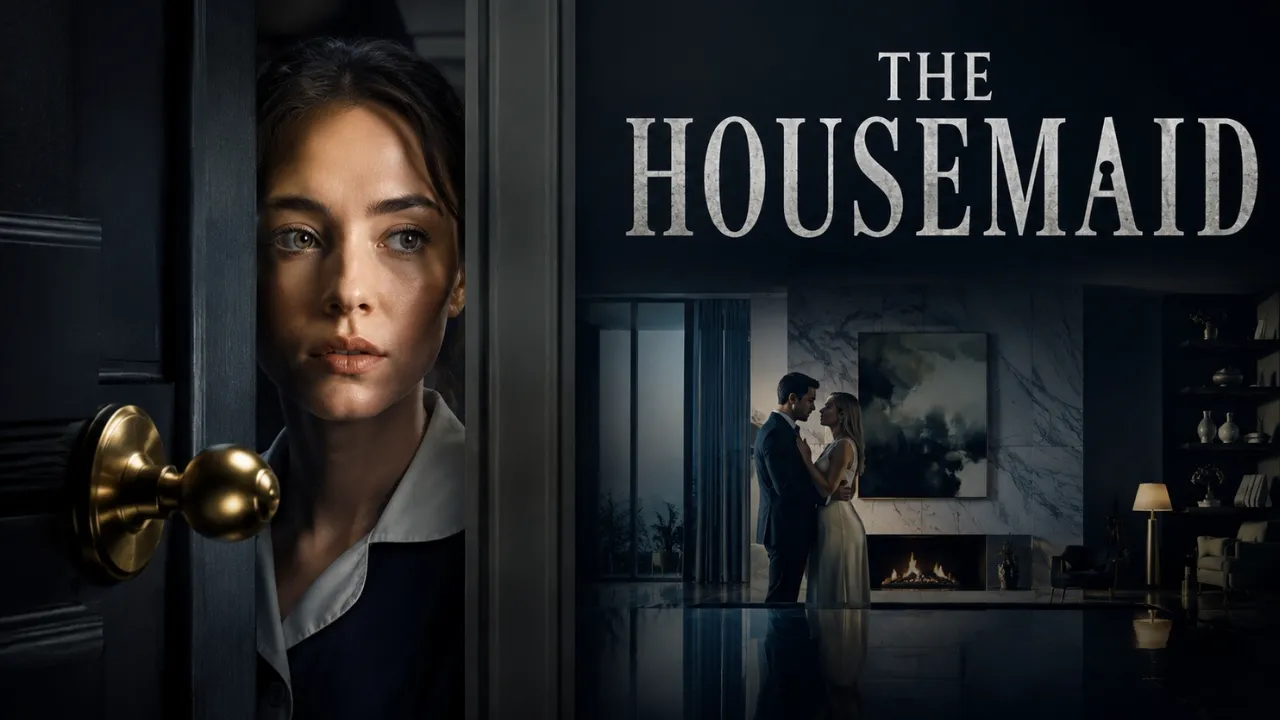
Psychological thrillers have a unique ability to pull viewers into unfamiliar situations where every conversation, every silence, and every decision carries hidden meaning. Instead of relying on loud action or predictable jump scares, these stories build tension through uncertainty, making audiences question every character and every event unfolding on screen. The Housemaid (2025) follows this approach with remarkable confidence, presenting a suspense-filled narrative that slowly tightens its grip before revealing its carefully guarded secrets.
Adapted from a bestselling novel that attracted readers around the world, the film transforms a seemingly ordinary domestic setting into a place filled with mystery, manipulation, and emotional conflict. Rather than rushing toward dramatic revelations, it patiently develops its atmosphere, allowing relationships and hidden motives to unfold layer by layer. Every interaction feels meaningful, encouraging viewers to search for clues while remaining uncertain about who can truly be trusted.
What immediately stands out about The Housemaid is its balance between emotional storytelling and psychological tension. Instead of focusing solely on shocking twists, the film also explores personal struggles, complicated relationships, and the desire for a better life. This combination makes the narrative feel grounded despite its suspenseful nature. As the story progresses, audiences become emotionally invested in the characters while constantly wondering what unexpected turn might arrive next.
The film succeeds because it understands that suspense is most effective when it grows naturally. Every scene adds another piece to the puzzle without revealing the complete picture too soon. This gradual progression creates an engaging viewing experience that rewards patience and careful attention, making The Housemaid (2025) an intriguing addition to the modern psychological thriller genre.
Movie Overview
| Details | Information |
|---|---|
| Movie Title | The Housemaid |
| Release Year | 2025 |
| Genre | Psychological Thriller, Mystery |
| Running Time | Approximately 2 Hours 13 Minutes |
| Language | English |
| Based On | The bestselling novel The Housemaid by Freida McFadden |
| Director | Paul Feig |
| Primary Theme | Secrets, Deception, Psychological Manipulation |
| Suitable For | Fans of mystery, suspense, and character-driven thrillers |
A Story That Begins with Hope but Quickly Changes Direction
Every compelling thriller begins with a simple situation that gradually becomes more complicated, and The Housemaid follows this storytelling principle exceptionally well. The narrative introduces a young woman searching for stability after experiencing difficult circumstances in her personal life. Accepting a position as a live-in housemaid appears to be an opportunity for a fresh beginning, offering both financial security and a chance to rebuild her future.
Initially, everything seems almost ideal. The luxurious home, the attractive salary, and the welcoming environment create an impression of comfort and safety. However, beneath the polished appearance lies an atmosphere filled with subtle discomfort. Small incidents begin raising questions that neither the protagonist nor the audience can easily answer. Conversations become increasingly tense, unexpected behaviors start appearing, and ordinary household routines slowly reveal unusual patterns.
Instead of relying on dramatic confrontations from the beginning, the film carefully builds uncertainty through ordinary moments. A closed door, an interrupted conversation, or an unexplained expression becomes enough to increase curiosity. This restrained storytelling approach keeps viewers engaged because it allows their imagination to participate in solving the mystery.
As the protagonist spends more time inside the mansion, she discovers that every member of the household appears to be hiding something. The apparent perfection surrounding the family begins to crumble, exposing emotional fractures that have remained hidden beneath a carefully maintained image. With each discovery, the line between reality and deception becomes increasingly difficult to identify.
Without revealing major spoilers, it is safe to say that The Housemaid delivers a narrative designed to surprise audiences while maintaining emotional consistency. Every revelation feels connected to earlier moments, rewarding viewers who pay close attention to the smallest details throughout the story.
Psychological Suspense That Relies on Atmosphere Instead of Excessive Action
Modern thrillers often attempt to maintain excitement through constant action sequences, but The Housemaid chooses a different direction. The film understands that genuine suspense emerges from uncertainty rather than nonstop movement. Instead of overwhelming audiences with continuous dramatic events, it gradually increases emotional pressure until even the quietest scenes feel intensely uncomfortable.
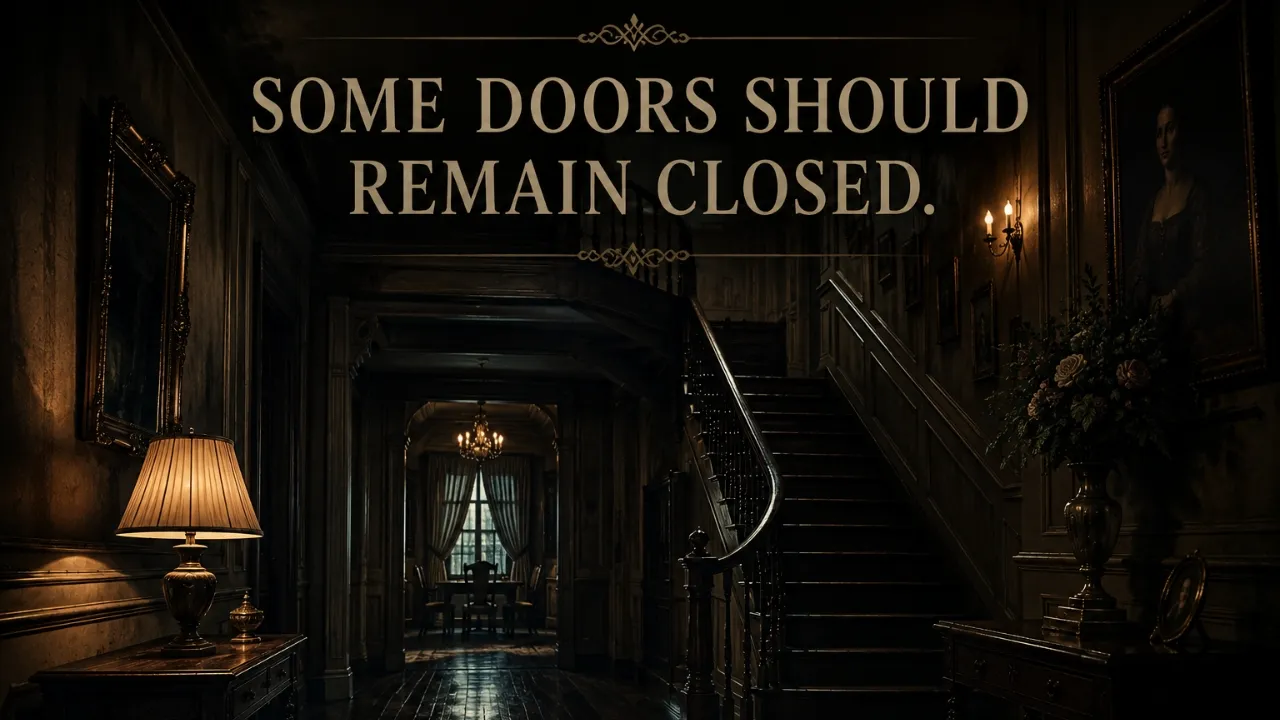
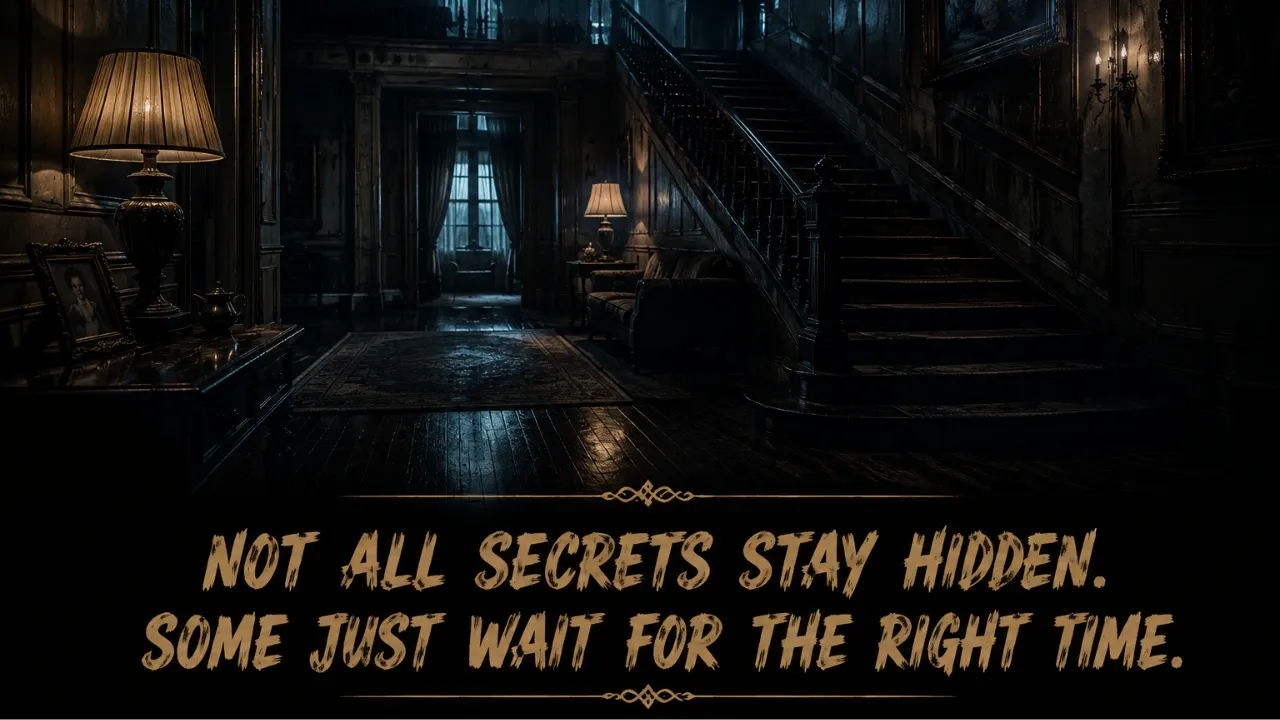
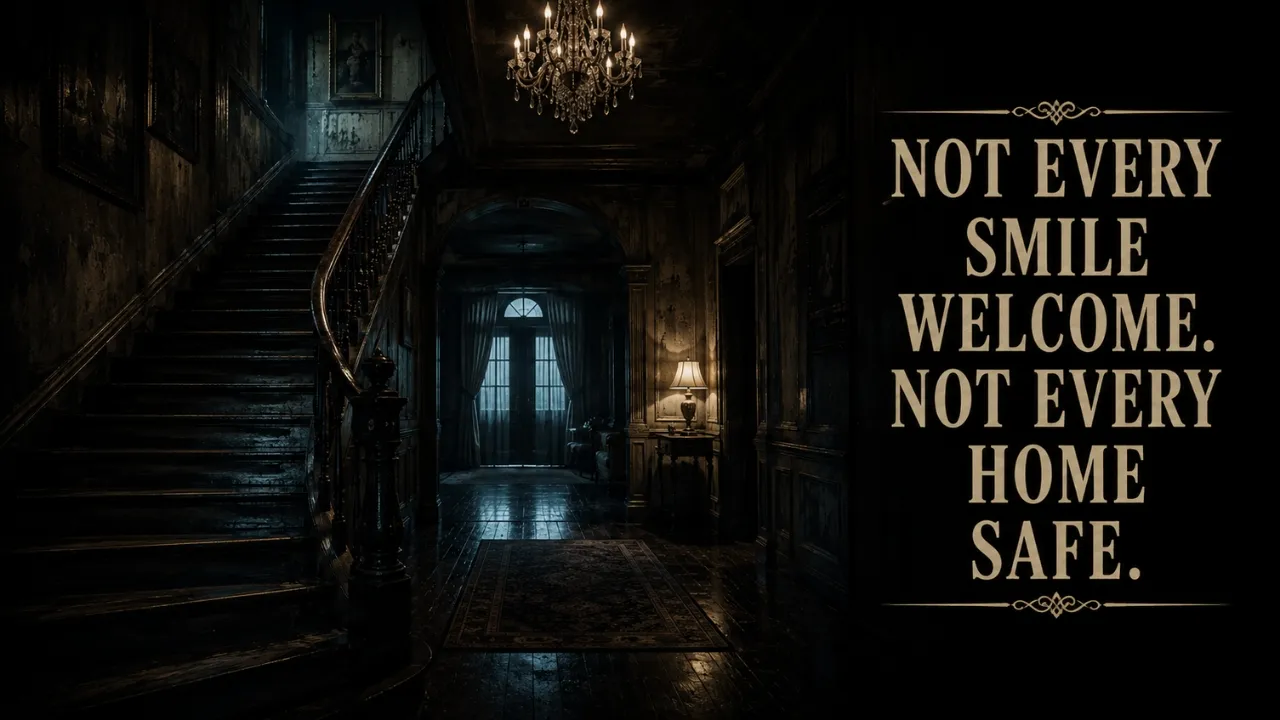
The mansion itself becomes an important storytelling element. Spacious rooms, elegant interiors, and carefully designed lighting create an environment that appears beautiful while simultaneously feeling isolated. This contrast contributes significantly to the psychological impact of the film. The house functions almost like another character, silently influencing the emotions of everyone living inside.
Sound design also deserves appreciation for its subtle effectiveness. Rather than relying heavily on loud musical cues, many scenes embrace silence or restrained background scores, allowing conversations and facial expressions to carry greater emotional weight. This approach strengthens the atmosphere without distracting from the performances.
The screenplay demonstrates confidence by allowing tension to develop naturally. Instead of explaining every mystery immediately, it trusts viewers to interpret clues independently. This storytelling style encourages active participation, making audiences feel personally involved in uncovering the truth behind the unfolding events.
Because of this carefully measured pacing, the suspense rarely feels forced. Every development grows logically from previous scenes, resulting in an experience that remains engaging from beginning to end.
Characters That Feel Complex Rather Than Predictable
One of the strongest aspects of The Housemaid (2025) is its commitment to creating layered characters whose personalities extend beyond familiar thriller stereotypes. Rather than presenting clear heroes and obvious villains, the story introduces individuals with complicated motivations, emotional vulnerabilities, and personal histories that influence every decision they make.
The central protagonist immediately earns sympathy because her circumstances feel believable. She enters the household carrying emotional baggage while hoping for a fresh opportunity. Her determination to move forward despite previous hardships makes her easy to understand, and audiences naturally become invested in her journey.
As she becomes increasingly involved with the family she serves, her confidence begins to shift between curiosity, caution, and fear. These emotional transitions occur gradually, allowing viewers to experience her growing uncertainty alongside her. Instead of reacting unrealistically, she behaves in ways that reflect genuine human emotion, making the story considerably more immersive.
The wealthy family at the center of the narrative also avoids becoming one-dimensional. Each member contributes unique dynamics to the unfolding mystery. Their relationships evolve throughout the film, revealing hidden conflicts and unexpected emotional depth. Rather than depending solely on dialogue, much of their characterization emerges through body language, subtle expressions, and restrained interactions that invite interpretation.
Supporting characters further enrich the narrative by introducing additional perspectives without overwhelming the central storyline. Every individual serves a meaningful purpose, ensuring that the cast remains balanced while maintaining focus on the psychological mystery driving the film forward.
Direction That Values Patience Over Spectacle
Paul Feig is widely recognized for his versatility as a filmmaker, and The Housemaid demonstrates another dimension of his directing style. Instead of emphasizing visual spectacle or exaggerated suspense, he prioritizes storytelling, atmosphere, and character psychology.
The pacing reflects remarkable discipline. Rather than rushing toward dramatic twists, the film allows every scene sufficient time to establish emotional context. This deliberate rhythm helps audiences connect with the characters before larger revelations begin reshaping the narrative.
Visual storytelling becomes one of the film’s greatest strengths. Camera movements remain controlled and purposeful, frequently using framing to communicate emotional distance or hidden tension between characters. Wide shots highlight isolation inside the luxurious mansion, while close-up compositions capture subtle emotional reactions that words alone could never express.
Lighting further enhances the psychological atmosphere. Bright interiors gradually give way to darker visual tones as the mystery deepens, symbolically reflecting the emotional transformation taking place within the story. These artistic choices strengthen the overall experience without drawing unnecessary attention to themselves.
Rather than attempting to impress viewers through constant stylistic experimentation, the direction remains focused on supporting the narrative. This consistency allows suspense to emerge naturally, ensuring that every visual decision contributes meaningfully to the story being told.
Performances That Keep the Story Emotionally Grounded
Psychological thrillers rely heavily on believable performances because much of their tension comes from emotional uncertainty rather than physical action. Fortunately, The Housemaid benefits from a cast that understands this requirement remarkably well.
The lead performance carries the emotional weight of the film with confidence and authenticity. The protagonist’s gradual transformation from hopeful optimism to increasing suspicion unfolds naturally through nuanced facial expressions and restrained dialogue delivery. Rather than exaggerating emotional reactions, the performance remains believable throughout the story’s progression.
The actors portraying the wealthy couple also deliver memorable performances by maintaining an intriguing balance between warmth and unpredictability. Their interactions often leave audiences questioning their true intentions, which becomes essential for sustaining the mystery. Instead of revealing everything through dialogue, much of their emotional complexity emerges through carefully controlled expressions and subtle behavioral shifts.
Supporting cast members contribute additional realism by ensuring that even smaller roles feel meaningful. Their presence enriches the world surrounding the central mystery while preventing the story from becoming emotionally repetitive.
Collectively, the performances elevate the screenplay by giving each scene genuine emotional credibility. This commitment to authenticity allows viewers to remain invested not only in discovering the truth but also in understanding the personal struggles affecting every character involved.
Themes That Give the Story Emotional Depth
A psychological thriller becomes memorable when it offers more than a sequence of unexpected twists. While suspense may attract audiences initially, meaningful themes are what leave a lasting impression after the credits roll. The Housemaid (2025) succeeds because it builds its mystery around relatable human emotions rather than relying solely on shocking moments. Beneath the carefully constructed tension lies a story about trust, ambition, vulnerability, and the consequences of hidden truths.
One of the film’s strongest themes is the contrast between appearance and reality. The elegant mansion, polished lifestyle, and seemingly perfect family create an image of stability and success. However, as events unfold, it becomes increasingly clear that external perfection often conceals emotional instability. This idea is explored consistently throughout the narrative without becoming repetitive, reminding viewers that what people choose to display publicly may differ significantly from their private struggles.
Another important element is the desire for a fresh beginning. The protagonist enters the household hoping to rebuild her life after facing personal challenges. Her optimism reflects a universal human experience—the belief that a single opportunity can change everything. This emotional foundation makes her journey more engaging because audiences understand her motivations long before the mystery begins to unfold.
Power dynamics also play an essential role within the story. Relationships inside the household are shaped by financial status, social expectations, and emotional dependence. Rather than presenting these issues in an exaggerated manner, the screenplay explores them through everyday interactions, allowing viewers to interpret underlying tensions naturally. The film demonstrates how influence can exist in subtle forms and how control often appears in unexpected ways.
The story also raises interesting questions about judgment and perception. Throughout the film, audiences are encouraged to form opinions about different characters based on limited information. As additional details emerge, those assumptions are repeatedly challenged, making the viewing experience more interactive. Instead of providing simple answers, the narrative encourages reflection, rewarding viewers who remain attentive to small details from beginning to end.
Storytelling That Rewards Patient Viewers
Unlike thrillers that depend on constant surprises every few minutes, The Housemaid embraces a slower, more deliberate rhythm. Some viewers may initially expect faster developments, but the measured pacing ultimately becomes one of the film’s greatest strengths. Every conversation, visual clue, and emotional exchange contributes to a larger picture that gradually comes into focus.
The screenplay carefully balances mystery with character development. Rather than overwhelming audiences with information, it reveals important details at moments when they create the greatest emotional impact. This thoughtful structure prevents the story from feeling rushed while maintaining curiosity throughout its running time.
Transitions between major plot developments feel natural because they arise from believable decisions rather than convenient coincidences. Characters respond to situations according to their personalities and emotional circumstances, making the progression of events feel authentic. As a result, dramatic moments carry greater significance because they emerge organically from previously established relationships.
The dialogue deserves recognition for avoiding unnecessary exposition. Instead of explaining every emotion directly, conversations often leave room for interpretation. This subtle approach strengthens the psychological atmosphere by allowing viewers to analyze expressions, pauses, and body language alongside spoken words.
By respecting the audience’s intelligence, the film creates a more rewarding experience. Instead of providing immediate gratification, it encourages careful observation and thoughtful engagement, qualities that distinguish memorable psychological thrillers from more conventional suspense films.
Visual Style and Technical Excellence
Although performances and storytelling remain the heart of The Housemaid, the technical craftsmanship deserves equal appreciation. Every visual element contributes to the atmosphere without distracting from the central narrative, demonstrating a clear understanding of how cinematic techniques can enhance emotional storytelling.
The production design plays a particularly significant role. The luxurious residence is presented as both beautiful and intimidating, creating an environment where comfort and unease exist simultaneously. Spacious interiors, elegant furnishings, and carefully arranged décor reinforce the family’s outward image of perfection while subtly hinting at emotional isolation beneath the surface.
Lighting choices evolve alongside the narrative. Earlier scenes often feature balanced, welcoming tones that reflect optimism and possibility. As hidden tensions begin surfacing, darker shadows and more restrained illumination gradually dominate the visual style. These changes occur so naturally that viewers may not consciously notice them, yet they contribute significantly to the film’s psychological impact.
The cinematography frequently emphasizes perspective. Wide shots highlight emotional distance between characters, while close-up compositions capture subtle expressions that reveal internal conflict without requiring dialogue. These visual decisions strengthen character relationships and reinforce the growing sense of uncertainty.
Editing maintains a smooth rhythm throughout the film. Suspense builds through careful sequencing rather than rapid cuts, allowing emotional tension to develop naturally. This patient approach reflects confidence in the screenplay and performances, demonstrating that effective storytelling often depends more on timing than spectacle.
Strengths That Make The Housemaid Worth Watching
Every successful thriller possesses qualities that distinguish it from countless others within the genre. The Housemaid (2025) achieves this through a combination of intelligent storytelling, compelling performances, and a consistently engaging atmosphere that remains effective from beginning to end.
One of its greatest strengths is the emotional realism of its characters. Instead of relying on exaggerated personalities or unrealistic behavior, the film presents individuals whose decisions reflect understandable motivations. This authenticity encourages viewers to become emotionally invested rather than simply waiting for the next twist.
The screenplay also deserves praise for maintaining suspense without sacrificing coherence. Each revelation feels connected to earlier events, ensuring that major developments appear earned rather than arbitrary. This careful construction rewards attentive audiences while avoiding unnecessary confusion.
Another notable achievement is the film’s ability to create tension through ordinary situations. Everyday conversations, household routines, and quiet observations become increasingly meaningful as the story progresses. This restrained approach demonstrates confidence in psychological storytelling rather than dependence on excessive action or violence.
Visually, the film maintains a polished appearance that complements its sophisticated narrative. Production design, cinematography, and sound work together harmoniously to create an immersive environment where emotional discomfort grows gradually with every scene.
Perhaps most importantly, The Housemaid respects its audience by encouraging active participation. Instead of presenting a straightforward mystery with obvious answers, it invites viewers to question assumptions and interpret subtle clues throughout the experience.
A Few Minor Limitations
Despite its many strengths, no film is entirely without imperfections, and The Housemaid is no exception. Some aspects may divide audience opinions depending on individual expectations and preferred storytelling styles.
The deliberate pacing, while effective for building psychological tension, may feel slower for viewers accustomed to fast-moving thrillers packed with continuous action. Those expecting frequent dramatic confrontations might initially find the film more restrained than anticipated. However, patient viewers are likely to appreciate the gradual development once the larger narrative comes together.
Certain supporting characters receive less screen time than their intriguing introductions might suggest. Although this decision keeps the central storyline focused, a few additional scenes exploring their perspectives could have added even greater emotional depth.
Additionally, because the narrative emphasizes subtle psychological suspense rather than large-scale spectacle, audiences seeking adrenaline-driven entertainment may find the experience quieter than traditional mainstream thrillers. Nevertheless, this creative choice aligns perfectly with the film’s overall identity and should be viewed as a stylistic preference rather than a significant flaw.
Who Should Watch The Housemaid?
This film is particularly well suited for viewers who enjoy stories built around mystery, emotional complexity, and carefully developed suspense. Rather than offering constant action, it rewards audiences who appreciate gradual storytelling and layered character relationships.
Fans of psychological thrillers will likely find the film especially satisfying because it focuses on atmosphere, human behavior, and hidden motivations rather than relying on predictable genre conventions. Readers familiar with the original novel may also enjoy seeing its central ideas translated into a cinematic format while experiencing the story through visual storytelling.
Viewers interested in character-driven dramas that explore trust, manipulation, and personal transformation will discover plenty to appreciate beyond the central mystery. Even those who are not regular thriller enthusiasts may become engaged by the emotional realism and carefully crafted performances that anchor the narrative.
However, audiences searching primarily for fast-paced action sequences or horror-style scares should adjust their expectations. The Housemaid succeeds through psychological intensity instead of physical spectacle, making it an ideal choice for those who enjoy suspense that develops thoughtfully over time.
Final Verdict
The Housemaid (2025) delivers a confident and engaging psychological thriller that combines emotional storytelling with carefully sustained suspense. Rather than depending on constant surprises or exaggerated dramatic moments, it gradually builds tension through believable characters, meaningful relationships, and an atmosphere filled with uncertainty.
Its greatest accomplishment lies in maintaining audience curiosity without sacrificing emotional authenticity. Every major revelation grows naturally from previously established events, allowing the mystery to unfold in a satisfying and coherent manner. The performances remain consistently compelling, while the direction demonstrates impressive restraint by trusting viewers to interpret subtle clues independently.
The film also benefits from elegant production values that support rather than overshadow the story. Cinematography, lighting, sound design, and production design work together seamlessly to create an immersive viewing experience where every visual element contributes to the psychological atmosphere.
Although its measured pacing may not appeal equally to every viewer, those willing to embrace its deliberate storytelling style are likely to find a rewarding and memorable thriller that continues provoking thought long after the final scene concludes.
Overall, The Housemaid stands as an impressive addition to the modern psychological thriller genre. It offers intelligent entertainment, emotional depth, and enough mystery to keep audiences invested throughout its entire runtime.
Frequently Asked Questions (FAQ)
Is The Housemaid (2025) based on a novel?
Yes. The film is adapted from the internationally popular psychological thriller novel The Housemaid by Freida McFadden, bringing its suspenseful premise to the big screen while maintaining the emotional tension that made the book widely appreciated.
What genre does The Housemaid belong to?
The movie combines psychological thriller, mystery, and suspense with character-driven drama, creating a story that focuses on emotional tension rather than traditional action sequences.
Is The Housemaid suitable for viewers who enjoy mystery films?
Absolutely. Anyone who enjoys slow-burning mysteries, layered characters, and unpredictable storytelling will likely appreciate the film’s carefully developed narrative.
Does the movie contain major plot twists?
Without revealing spoilers, the story includes several meaningful developments that gradually reshape viewers’ understanding of the characters and their relationships.
Is prior knowledge of the novel necessary?
No. The film is designed to be enjoyed independently, allowing both new audiences and readers of the novel to experience the story without difficulty.
Conclusion
The Housemaid (2025) proves that compelling suspense does not require relentless action or excessive visual spectacle. Instead, it demonstrates how thoughtful storytelling, emotionally believable performances, and carefully sustained tension can create a far more immersive cinematic experience. Every scene contributes meaningfully to the larger narrative, encouraging viewers to remain attentive as hidden truths gradually emerge.
By combining psychological complexity with polished filmmaking, the movie offers an engaging experience for audiences who appreciate intelligent mysteries built around character relationships rather than predictable formulas. Its atmosphere remains consistently absorbing, while its carefully developed narrative ensures that curiosity never fades.
Whether you are a longtime fan of psychological thrillers or simply searching for a mystery that values storytelling over sensationalism, The Housemaid (2025) deserves a place on your watchlist. It is a film that invites discussion, rewards careful observation, and reminds viewers that sometimes the most unsettling secrets are hidden behind the most ordinary appearances.