
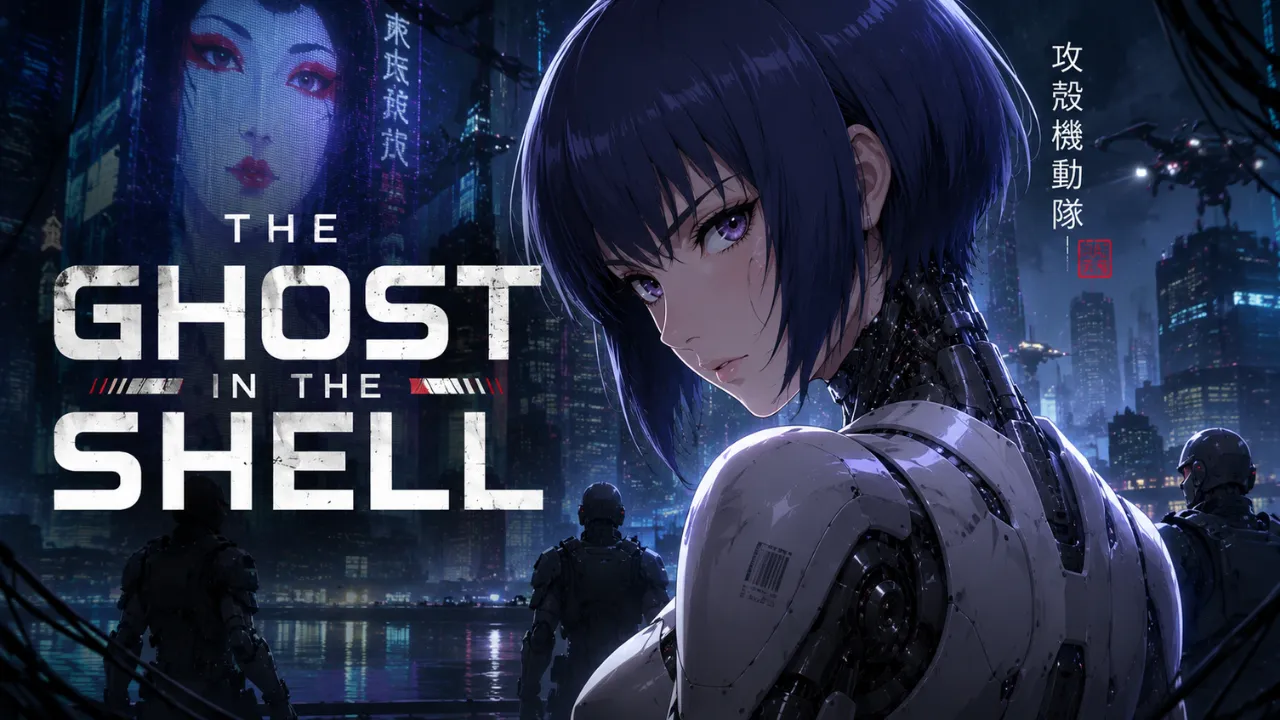
Few anime franchises have left a mark on science fiction as deeply as The Ghost in the Shell. Since its debut, the series has continued to spark conversations about technology, identity, artificial intelligence, and the increasingly blurred boundary between humans and machines. While many futuristic stories rely on flashy action or dystopian settings, this franchise earns its reputation by pairing thrilling investigations with thought-provoking ideas that remain relevant decades after its release.
Created from Masamune Shirow’s acclaimed manga, The Ghost in the Shell has expanded into several animated films and television adaptations. Among them, the anime series Ghost in the Shell: Stand Alone Complex stands out as one of the most respected entries. Its episodic crime investigations gradually weave into larger political conspiracies, giving viewers both satisfying standalone stories and compelling long-form storytelling.
Even today, newcomers continue discovering the series while longtime fans revisit it to appreciate the remarkable attention to detail hidden throughout its world. The blend of philosophical questions, intelligent storytelling, and polished animation has allowed it to age far more gracefully than many productions from the same era.
Whether you’re already familiar with cyberpunk fiction or simply searching for an anime that treats its audience with respect, The Ghost in the Shell offers an experience that remains every bit as engaging as it was when it first aired.
Table of Contents
ToggleQuick Information
| Information | Details |
|---|---|
| Release Date | October 1, 2002 |
| Episodes | 26 (Season 1: Stand Alone Complex) |
| Genre | Cyberpunk, Science Fiction, Action, Crime, Mystery |
| Language | Japanese |
| Studio | Production I.G |
| Streaming Availability | Officially available on select platforms depending on region, including Crunchyroll and other licensed streaming services |
| Status | Released |
| Country | Japan |
Overview
At first glance, The Ghost in the Shell appears to be a futuristic police drama centered on elite government agents solving cyber-related crimes. That description is accurate—but only to a point. As the series unfolds, it reveals a layered narrative where politics, ethics, cybercrime, and personal identity intersect in fascinating ways.
The story takes place in a future where cybernetic enhancements are common. Many citizens possess artificial bodies or brain implants that allow them to connect directly to vast digital networks. This technological advancement has transformed society, creating new opportunities while introducing equally dangerous threats.
Section 9, a specialized public security task force, operates at the center of this changing world. The team’s mission involves investigating crimes that ordinary law enforcement agencies cannot handle, especially those involving advanced hacking, cyberterrorism, organized crime, and political corruption.
What distinguishes the series is its refusal to simplify complex issues. Every investigation feels connected to a believable society shaped by technological progress. Instead of relying solely on explosions or dramatic battles, the story often invites viewers to think critically about the consequences of innovation.
That thoughtful balance between action and ideas has helped The Ghost in the Shell maintain its reputation as one of anime’s defining science fiction franchises.
Story Premise (Spoiler-Free)
The events unfold in the mid-21st century, where cybernetic technology has become deeply integrated into everyday life. Artificial limbs, fully prosthetic bodies, and digital brain interfaces have changed how people live, communicate, and even define themselves.
Major Motoko Kusanagi leads Public Security Section 9, an elite government unit tasked with addressing threats that emerge in this increasingly connected society. Alongside her experienced team, she investigates crimes involving hackers, terrorists, political extremists, and sophisticated criminal organizations capable of exploiting advanced technology.
Each case presents unique challenges. Some focus on cybercrime that manipulates digital identities, while others expose corruption hidden within powerful institutions. Although individual investigations often reach satisfying conclusions, subtle narrative threads continue developing in the background, rewarding viewers who pay close attention.
The storytelling avoids excessive exposition. Instead, information naturally emerges through dialogue, investigations, and character interactions. This approach allows audiences to gradually understand the world without feeling overwhelmed.
Because the series carefully avoids rushing its larger mysteries, every revelation carries meaningful weight. Viewers become invested not only in solving cases but also in understanding the social and political systems that shape this futuristic society.
World Building
One of the greatest achievements of The Ghost in the Shell lies in its remarkably detailed world-building. The future depicted here feels believable because every technological advancement appears connected to broader social consequences.
Cities combine towering skyscrapers, advanced surveillance systems, automated transportation, and dense urban neighborhoods into environments that feel both futuristic and familiar. Everyday life continues despite incredible technological progress, making the setting surprisingly relatable.
Cyberization forms the backbone of society. Individuals can replace damaged body parts with artificial components or even transfer their consciousness into fully prosthetic bodies. These innovations improve medical treatment, physical performance, and communication, but they also introduce entirely new forms of crime.
Hackers no longer target computers alone—they can manipulate memories, interfere with cybernetic systems, or compromise a person’s perception of reality. This concept creates investigative scenarios unlike those found in traditional crime dramas.
Government agencies, multinational corporations, military organizations, and criminal networks all compete for influence within this connected world. Their conflicting interests add political complexity that extends beyond simple battles between heroes and villains.
Technology never exists solely for visual spectacle. Every invention serves the narrative while raising thoughtful questions about privacy, security, ethics, and the cost of progress.
The series also pays careful attention to smaller details. Public transportation, architecture, communication devices, healthcare systems, and law enforcement procedures all reinforce the impression of a functioning society shaped by decades of technological evolution.
This level of consistency allows viewers to immerse themselves fully in the setting, making every investigation feel grounded despite the futuristic premise.
Main Characters
Strong characters give The Ghost in the Shell much of its emotional depth. Although the series features a talented ensemble cast, each member contributes distinct skills and perspectives that strengthen the team’s dynamic.
Major Motoko Kusanagi
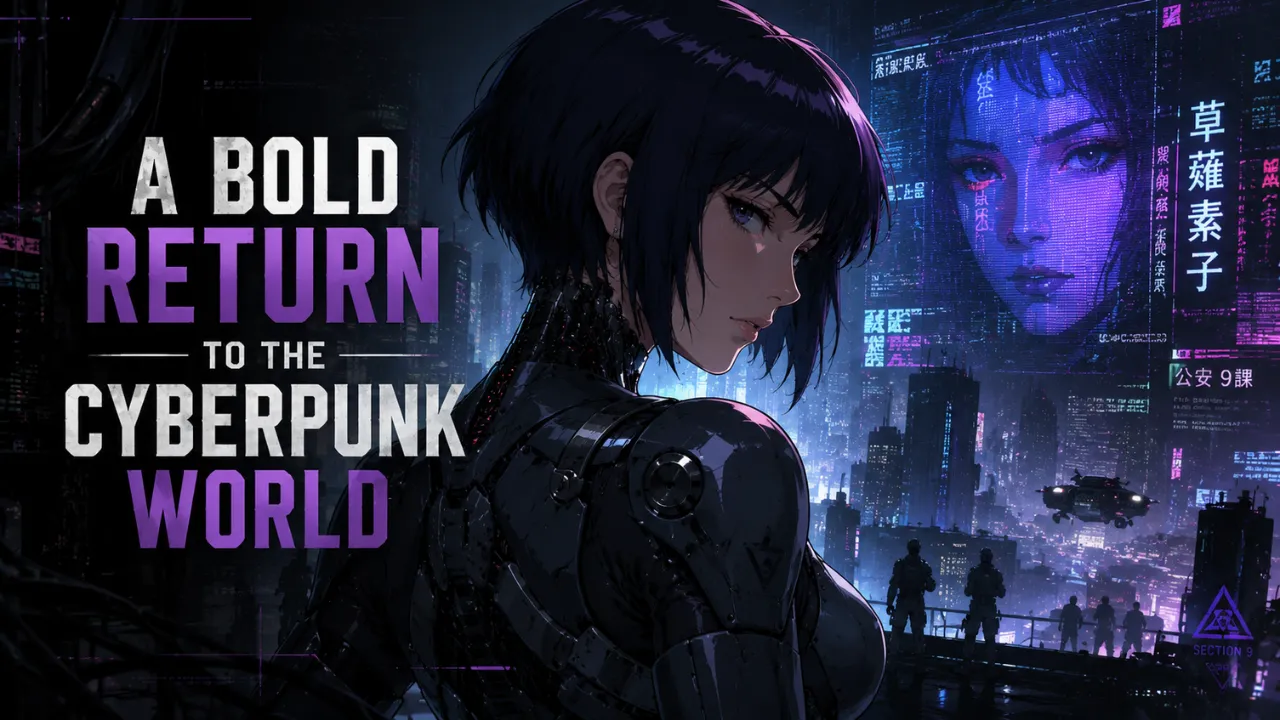
Major Motoko Kusanagi serves as the commanding officer of Section 9 and remains one of anime’s most iconic protagonists. Calm under pressure, highly intelligent, and exceptionally skilled in combat, she balances strategic leadership with thoughtful introspection.
Her fully cybernetic body raises personal questions about identity and consciousness that become recurring themes throughout the series. Instead of presenting simple answers, the story explores these ideas through her experiences, making her one of the most compelling figures in cyberpunk fiction.
Despite her impressive abilities, Kusanagi never feels invincible. She approaches investigations with patience, logic, and curiosity, often questioning assumptions before reaching conclusions.
Batou
Batou functions as one of Section 9’s strongest field operatives and serves as a trusted partner to the Major. His imposing appearance contrasts with his surprisingly compassionate personality.
Although highly capable during combat operations, Batou frequently provides moments of warmth and subtle humor that balance the series’ heavier philosophical discussions. His loyalty to his teammates never feels exaggerated, instead growing naturally through years of shared experience.
His friendship with Kusanagi becomes one of the emotional foundations of the series, built on mutual respect rather than unnecessary drama.
Togusa
Togusa offers an important perspective within Section 9 because he retains relatively few cybernetic enhancements compared to his colleagues.
His background as a detective allows him to approach investigations differently, relying on observation, intuition, and traditional investigative methods alongside advanced technology.
This contrast often highlights the relationship between human judgment and machine-assisted decision-making, reinforcing many of the series‘ central ideas.
Daisuke Aramaki
Chief Aramaki leads Public Security Section 9 with quiet authority. Although he rarely participates directly in combat missions, his political experience and strategic thinking prove essential.
Operating within government bureaucracy requires careful negotiation, and Aramaki consistently demonstrates remarkable skill in navigating complicated political situations while protecting his team’s independence.
His leadership emphasizes intelligence gathering, diplomacy, and long-term planning rather than unnecessary displays of power.
The Supporting Team
Section 9 includes several additional specialists whose expertise strengthens every investigation. Members contribute skills in intelligence analysis, explosives, surveillance, cyber warfare, tactical operations, and forensic investigation.
Instead of existing merely as background characters, these individuals actively shape missions and provide meaningful support throughout the series. Their cooperation creates the feeling of an experienced professional unit where every member has earned their place.
The team’s believable chemistry becomes one of the anime’s greatest strengths. Conversations feel authentic, disagreements remain grounded in professional judgment, and victories result from coordinated teamwork instead of individual heroics.
This attention to character dynamics makes the investigative stories even more engaging, giving viewers reasons to care about the people behind every mission.
Animation Quality
One of the first things viewers notice about The Ghost in the Shell is how confidently it presents its world through animation. Produced by Production I.G, the series showcases a level of craftsmanship that helped define premium television anime in the early 2000s. While newer productions naturally benefit from modern technology, the animation here remains impressive because it prioritizes clarity and atmosphere over unnecessary visual excess.
Character movements feel purposeful, especially during tactical operations and investigative sequences. Action scenes are choreographed with precision, allowing every movement to contribute to the story instead of becoming visual noise. Firefights, hand-to-hand combat, and pursuit sequences unfold with a realism that suits the grounded tone of the series.
Background animation deserves equal praise. Bustling city streets, towering skyscrapers, industrial districts, and futuristic government facilities all create the impression of a living society. Small environmental details—from digital billboards to automated transportation systems—add depth without distracting from the narrative.
Facial expressions are handled with subtlety. The series rarely relies on exaggerated reactions, choosing restrained performances that match its mature storytelling. This approach helps serious conversations carry more emotional weight.
Although animation techniques have evolved significantly since the series first aired, the production quality still holds up remarkably well thanks to careful direction and strong artistic fundamentals.
Visual Style
Cyberpunk has become one of science fiction’s most recognizable aesthetics, but The Ghost in the Shell helped establish many of the visual ideas audiences now associate with the genre.
Its cities combine advanced technology with dense urban architecture, creating environments that feel futuristic without abandoning realism. Neon lights illuminate rain-soaked streets, while massive office towers overlook older neighborhoods that continue functioning beneath rapid technological progress.
The color palette shifts depending on the mood of each episode. Investigations involving political intrigue often lean toward muted shades and cooler tones, while action-heavy moments introduce brighter lighting and dramatic contrasts. This careful use of color supports the storytelling without drawing unnecessary attention to itself.
Character designs also reflect the world they inhabit. Cybernetic enhancements are integrated naturally into everyday life instead of appearing as flashy accessories. Clothing, equipment, and vehicles all feel practical for the setting, reinforcing the sense that technology has become an ordinary part of society.
Mechanical designs stand out in particular. Military hardware, surveillance drones, armored vehicles, and artificial bodies display a level of detail that appeals to science fiction enthusiasts while remaining believable within the series’ universe.
The result is a visual identity that continues to influence films, television, games, and animation long after its original release.
Action & Direction
Although philosophical discussions receive much of the attention, The Ghost in the Shell never forgets that it’s also an action series.
Director Kenji Kamiyama balances quiet investigative moments with carefully staged combat sequences. Episodes rarely rush from one explosion to the next. Instead, tension gradually builds through surveillance, intelligence gathering, and strategic planning before conflicts finally unfold.
When action does arrive, it feels earned.
Section 9 operates like an experienced tactical unit rather than a group of superheroes. Team members coordinate their movements, communicate efficiently, and adapt to changing situations. This professional approach creates suspense because success depends on preparation and teamwork instead of luck.
The series also avoids glorifying violence. Combat carries consequences, and missions often involve difficult choices beyond defeating an enemy. Political considerations, civilian safety, and legal responsibilities frequently influence operational decisions.
Camera work contributes significantly to the viewing experience. Wide establishing shots emphasize the scale of futuristic cities, while close-up angles highlight emotional moments during conversations. Chase sequences use dynamic framing without becoming confusing, allowing viewers to follow every development clearly.
This combination of intelligent direction and disciplined pacing gives the action lasting impact.
Themes and Ideas
The lasting reputation of The Ghost in the Shell comes from its willingness to explore questions that remain increasingly relevant in today’s technology-driven world.
One central theme examines personal identity. If memories can be altered and bodies can be replaced with cybernetic components, what truly defines an individual? Is identity rooted in physical form, consciousness, personal experiences, or something else entirely?
Artificial intelligence provides another recurring subject. Instead of presenting machines as inherently dangerous or unquestionably beneficial, the series considers the complex relationship between humans and increasingly sophisticated technology.
Privacy also becomes an important concern. As society grows more interconnected, information becomes both valuable and vulnerable. Digital surveillance, cybercrime, and data manipulation all raise ethical questions that continue to resonate decades after the anime’s original release.
Political power receives thoughtful attention as well. Government agencies, corporate interests, intelligence organizations, and media influence all intersect throughout the story. These elements create conflicts that extend beyond traditional good-versus-evil storytelling.
The series rarely offers simple answers. Instead, it encourages viewers to reflect on difficult issues while reaching their own conclusions. That intellectual openness remains one of its greatest strengths.
What Makes It Different
Science fiction anime often feature futuristic settings, but The Ghost in the Shell distinguishes itself through its mature approach to storytelling.
Many action series prioritize constant excitement, while this franchise embraces quieter moments that deepen character development and expand the world. Investigations frequently involve careful analysis instead of immediate confrontation, allowing mysteries to unfold naturally.
The writing also trusts its audience. Explanations are rarely repeated, and viewers are encouraged to piece together information through observation and dialogue. This confidence creates a rewarding experience for attentive audiences.
Another distinguishing feature is the balance between episodic storytelling and long-form narratives. Individual cases often provide satisfying conclusions, yet larger conspiracies continue developing across multiple episodes. This structure keeps the series accessible while rewarding long-term investment.
Unlike many futuristic stories that focus exclusively on technological spectacle, The Ghost in the Shell consistently explores how innovation affects ordinary people, governments, businesses, and social institutions.
Its influence extends far beyond anime. Numerous filmmakers, game developers, and science fiction creators have acknowledged its impact on the broader cyberpunk genre, demonstrating its lasting cultural significance.
Strengths
One of the anime’s greatest strengths is its intelligent writing. Every investigation feels carefully constructed, encouraging viewers to engage with the mystery instead of simply waiting for the next action scene.
The world-building remains exceptional. Technology, politics, economics, and law enforcement all interact in believable ways, creating a future that feels surprisingly plausible.
Character development also deserves praise. Major Motoko Kusanagi and the members of Section 9 each contribute unique perspectives, allowing the team to function as believable professionals rather than collections of familiar archetypes.
Production quality remains consistently high throughout the series. Detailed animation, atmospheric music, realistic sound design, and polished direction combine to create an immersive viewing experience.
Perhaps most importantly, the themes continue to feel relevant. Discussions surrounding artificial intelligence, cybersecurity, digital privacy, and human identity have become even more meaningful as technology advances in the real world.
Few anime manage to remain intellectually engaging while delivering satisfying action and compelling characters. The Ghost in the Shell achieves that balance remarkably well.
A Few Minor Limitations
Despite its many accomplishments, The Ghost in the Shell may not appeal equally to every viewer.
Its deliberate pacing can feel slower than modern action-focused anime. Some episodes spend significant time exploring investigations, political discussions, or philosophical conversations before major action sequences occur.
The series also expects viewers to remain attentive. Important information is often delivered through dialogue, and missing smaller details may make later developments more difficult to follow.
Those seeking straightforward action from beginning to end might find certain episodes more reflective than expected. The emphasis on ideas and character interactions occasionally takes priority over spectacle.
Another consideration involves accessibility for newcomers. The franchise includes multiple films, television series, alternate continuities, and adaptations, which can initially seem confusing. Fortunately, Ghost in the Shell: Stand Alone Complex tells its own story and serves as an approachable starting point.
These aspects are less flaws than creative choices, but they’re worth considering depending on personal viewing preferences.
Who Should Watch It
The Ghost in the Shell is an excellent choice for viewers who appreciate intelligent science fiction that values storytelling as much as action.
Fans of cyberpunk settings, detective dramas, political thrillers, and philosophical narratives will likely find plenty to enjoy. Those interested in artificial intelligence, cybersecurity, and futuristic technology may also appreciate how thoughtfully these subjects are explored.
Anime viewers looking for mature characters, layered mysteries, and carefully developed world-building will discover a series that rewards patience and close attention.
Even audiences who are relatively new to anime can enjoy Stand Alone Complex, provided they’re comfortable with dialogue-driven storytelling and complex themes.
Viewers expecting nonstop battles or lighthearted comedy, however, may find its measured pace different from what they anticipate.
Reception After Release
Following its release, Ghost in the Shell: Stand Alone Complex received widespread praise from anime fans and critics for its ambitious storytelling, sophisticated themes, and high production standards.
Many reviewers highlighted its successful blend of episodic crime investigations with larger serialized storylines. This structure allowed the series to explore individual cases while gradually building broader political and technological conflicts.
The animation, soundtrack, voice performances, and direction were also frequently recognized as major strengths. Over time, the series earned a reputation as one of the defining works within the cyberpunk genre and remains a frequent recommendation for viewers interested in mature science fiction anime.
Its influence continues to extend beyond animation. Elements of its storytelling, visual design, and exploration of technology have inspired creators working across film, television, gaming, and other forms of science fiction.
Years after its original broadcast, The Ghost in the Shell remains a benchmark against which many cyberpunk stories are measured.
Final Verdict
The Ghost in the Shell stands as one of the finest examples of thoughtful science fiction in anime. It combines compelling investigations, memorable characters, sophisticated world-building, and philosophical depth without sacrificing entertainment.
The series respects its audience by presenting challenging ideas through engaging storytelling instead of relying on constant exposition. Every episode contributes something meaningful, whether expanding the world, developing its characters, or exploring ethical questions surrounding technology.
While its measured pacing may require patience, viewers willing to invest their attention are rewarded with a richly layered experience that continues to feel relevant decades after its debut.
For anyone interested in cyberpunk fiction, intelligent detective stories, or anime that encourages reflection long after the credits roll, The Ghost in the Shell remains an essential watch.
Conclusion
Decades after its original release, The Ghost in the Shell continues to prove why it occupies such an important place in anime history. Its vision of a technologically advanced society feels remarkably believable, while its exploration of identity, artificial intelligence, and digital ethics remains strikingly relevant in today’s world.
What truly sets the series apart isn’t simply its futuristic setting or impressive action. It’s the confidence with which it asks meaningful questions and trusts viewers to think about the answers themselves. Combined with memorable characters, polished animation, and consistently intelligent storytelling, the result is an anime that continues to attract new audiences while rewarding longtime fans with fresh insights on every revisit.
Whether you’re exploring the cyberpunk genre for the first time or revisiting one of its defining classics, The Ghost in the Shell offers an experience that remains engaging, thought-provoking, and artistically accomplished.
FAQ
1. Is The Ghost in the Shell suitable for beginners?
Yes. While the franchise includes multiple adaptations, Ghost in the Shell: Stand Alone Complex is often considered a good entry point because it tells a self-contained story with its own narrative structure.
2. Is The Ghost in the Shell more focused on action or philosophy?
It successfully blends both. The series features tactical action and crime investigations while also exploring deeper ideas about identity, artificial intelligence, and the relationship between humans and technology.
3. Does the anime closely follow the original manga?
The anime draws inspiration from Masamune Shirow’s manga but develops its own storylines and interpretations, particularly in Stand Alone Complex, making it a distinct adaptation.
4. Is The Ghost in the Shell still worth watching today?
Absolutely. Its themes surrounding cybersecurity, AI, digital privacy, and human consciousness remain highly relevant, helping the series feel surprisingly modern despite its age.
5. What makes The Ghost in the Shell one of the most influential cyberpunk anime?
Its combination of realistic world-building, intelligent storytelling, philosophical depth, memorable characters, and lasting influence on science fiction has established it as a landmark work within the cyberpunk genre.