
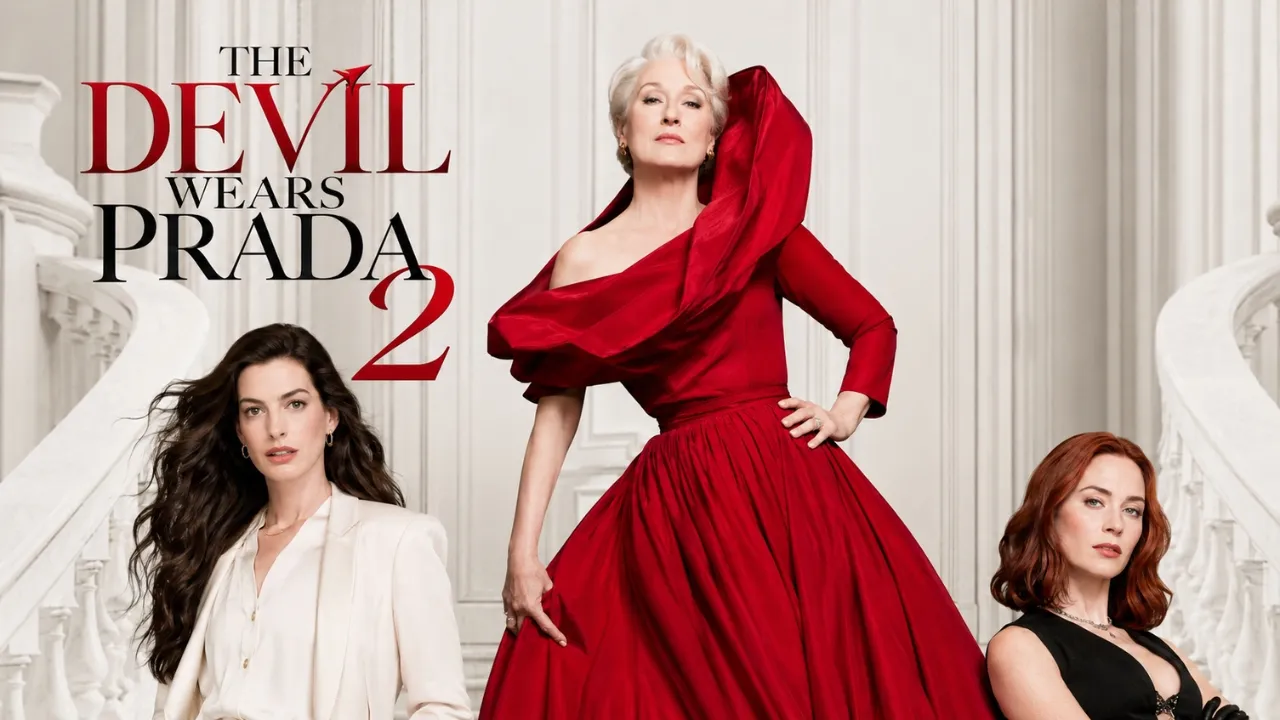
Note: This article combines officially available information with editorial analysis based on publicly available reports about The Devil Wears Prada 2. Unless otherwise confirmed by the studio or filmmakers, any discussion of the film’s story, character development, or themes should be considered speculative and reflects analysis rather than confirmed plot details.
The Devil Wears Prada and Prada are trademarks of their respective owners. This website is not affiliated with, endorsed by, or sponsored by Disney, 20th Century Studios, Prada, or any related rights holders.
For nearly two decades, The Devil Wears Prada has remained one of Hollywood’s most beloved fashion dramas. The original film combined sharp storytelling, unforgettable performances, career ambition, and luxury fashion into a movie that continues to attract new audiences every year. Fans have quoted its iconic dialogue, admired its wardrobe, and debated its characters long after the credits rolled.
Now, excitement is building once again as The Devil Wears Prada 2 brings audiences back into the glamorous yet demanding world of high fashion.
Nearly two decades after The Devil Wears Prada became a cultural phenomenon, fans are once again talking about a possible sequel. While official details remain limited, reports from The Hollywood Reporter about the sequel’s development and ongoing industry discussions have fueled speculation about the sequel’s direction.
In this article, we’ll separate confirmed information from speculation, look at how the editorial world has changed since 2006, and explore why audiences remain excited about the possibility of The Devil Wears Prada 2.
Whether you’re a longtime admirer of the original movie or discovering the franchise for the first time, this guide explores everything you need to know about The Devil Wears Prada 2, including its story, characters, themes, fashion expectations, and why this sequel has become one of the most anticipated Hollywood releases among fans of drama and style.
What Has Been Officially Confirmed?
At the time of writing, only limited information about The Devil Wears Prada 2 has been publicly reported. While several entertainment publications have discussed a possible sequel, many story details, casting updates, and production plans remain unofficial. Readers should treat any rumored information as speculation until confirmed by the studio.
What Is Still Speculation?
Several reports have suggested possible story directions involving Miranda Priestly, Andy Sachs, and Emily Charlton. However, no official plot synopsis has been released, and any discussion about character arcs or workplace conflicts should be viewed as editorial analysis rather than confirmed information.
Why The Original Movie Became a Cultural Phenomenon
Released in 2006, The Devil Wears Prada quickly became more than just another comedy-drama. It offered a fascinating glimpse into the demanding world of fashion publishing while balancing humor, emotion, determination, and personal growth.
The story followed aspiring journalist Andrea Sachs, who unexpectedly landed a job working for the intimidating editor-in-chief Miranda Priestly. Although Andrea initially viewed fashion as superficial, her experience transformed both her professional life and personal priorities.
Several factors contributed to the film’s lasting popularity:
The original film earned lasting popularity because it balanced memorable performances with witty dialogue, stylish costume design, and relatable workplace struggles. Even today, viewers continue to discuss Miranda Priestly’s leadership style and Andy’s personal transformation.
Even years after its release, the movie continues to inspire discussions about leadership, long-term success, work-life balance, and personal identity.
What Is The Devil Wears Prada 2 About?
While The Devil Wears Prada 2 introduces a fresh chapter, it also respects the legacy of the original story.
Instead of simply repeating the same formula, The Devil Wears Prada 2 explores how both the fashion industry and its influential personalities have evolved over time.
The media world has transformed dramatically. Traditional fashion magazines now compete with digital publications, social media creators, luxury influencers, and rapidly changing consumer trends.
Against this modern backdrop, familiar characters must navigate an industry that no longer follows the same rules.
If the reported story direction proves accurate, the sequel could explore themes such as:
- Leadership in a changing workplace
- Digital publishing
- Competition between traditional media and online creators
- Personal reinvention
- Workplace relationships
- Balancing success with personal life
Rather than relying solely on nostalgia, the sequel expands its world by exploring contemporary issues that affect today’s fashion business.
Returning Characters Fans Love
One of the biggest reasons for the excitement surrounding the sequel is the return of beloved characters.
Miranda Priestly
Miranda Priestly remains one of cinema’s most unforgettable editors because of her calm authority, impossible standards, and remarkable understanding of fashion. She has long represented excellence, discipline, and influence within the industry. If the reported direction is accurate, the sequel could place her in a rapidly evolving fashion world where adapting to digital media and changing leadership expectations may prove to be her greatest challenge.
Andy Sachs
Andy Sachs’ journey remains one of Hollywood’s strongest portrayals of personal and professional growth.
She entered the editorial world with little knowledge but eventually discovered confidence, resilience, and determination.
The sequel explores how her life has changed since leaving Runway Magazine.
One of the biggest unanswered questions is where Andy’s career has taken her since leaving Runway. She may have stayed in journalism, moved into another creative field, or found herself unexpectedly drawn back into the fashion industry. Whatever direction the sequel chooses, her professional journey is likely to shape much of the film’s emotional core.
Emily Charlton
Emily quickly became a fan favorite thanks to her witty personality, relentless work ethic, and memorable one-liners.
Her sharp determination perfectly matched the competitive atmosphere of Runway Magazine.
Many viewers are eager to see how her career has evolved.
Emily’s future is just as intriguing. She could have become a leading editor, transitioned into luxury branding, or built a career that places her in direct competition with Miranda. Watching how her ambition has evolved over the years could easily become one of the sequel’s most compelling storylines.
Her journey could become one of the sequel’s most interesting storylines.
Why the Original Ending Still Works
One of the most memorable moments in the original film comes when Andy chooses her own path instead of continuing to chase Miranda’s approval. That ending gave audiences closure while also leaving room to imagine where the characters’ careers might eventually lead. Any sequel will need to respect that emotional conclusion rather than simply undoing it.
A New Generation of Fashion Professionals
While returning characters create nostalgia, every successful sequel also needs fresh faces.
The new generation represents modern fashion culture:
- Digital editors
- Luxury brand consultants
- Fashion influencers
- Social media strategists
- Creative directors
- Trend forecasters
- Marketing executives
These newcomers bring different ideas about success.
Unlike previous generations that focused on print publishing, today’s professionals understand the importance of online audiences, instant communication, and global branding.
This clash between traditional publishing and digital innovation creates fresh dramatic tension.
Fashion Takes Center Stage Again
Fashion has always represented far more than beautiful clothing in The Devil Wears Prada. Every outfit reflects personality, status, creativity, confidence, influence, and workplace identity, helping audiences understand each character without relying solely on dialogue. If the sequel follows the reported direction, costume design is likely to remain central one of its strongest storytelling tools.
Based on unofficial reports and the style of the original film, audiences can reasonably expect elegant tailoring, luxury evening wear, contemporary street style, and sophisticated business outfits if the sequel moves forward.
Every outfit helps tell the story.
Costume designers are likely to blend timeless elegance with modern fashion trends, creating another visually unforgettable experience.
Another reason I’m interested in this sequel is that the fashion world itself has changed dramatically since 2006. Social media, luxury influencers, and digital publications have reshaped an industry that once revolved around magazine editors. If the filmmakers use those real-world changes to challenge characters like Miranda instead of simply recreating familiar scenes, the sequel has the potential to feel relevant rather than nostalgic.
Themes That Make the Story Relevant
One reason audiences continue to connect with The Devil Wears Prada is that it goes beyond fashion.
Its themes remain universal.
Personal Growth and New Opportunities
Success often demands sacrifice.
Characters continually face difficult choices between professional opportunities and personal happiness.
Leadership
Miranda demonstrates one version of leadership—high expectations combined with exceptional standards.
If the reported direction is accurate, The Devil Wears Prada 2 could explore whether leadership styles must evolve in today’s fashion industry.
Reinvention
Every major character reaches a point where they must redefine themselves.
Career transitions, changing industries, and personal growth all play significant roles.
Work-Life Balance
The pressure to succeed can affect relationships, mental health, and happiness.
This timeless struggle remains highly relatable.
Female determination
The franchise celebrates intelligent, ambitious women navigating competitive industries without reducing them to stereotypes.
How the Fashion World Has Changed Since 2006
The original movie focused on magazine publishing.
Today’s fashion world looks very different.
Modern fashion professionals work across:
- TikTok
- Luxury websites
- Digital magazines
- Live fashion events
- AI-powered marketing
- Global e-commerce
This evolution creates fascinating storytelling opportunities.
Traditional editors must now compete with younger creators who can influence millions of followers overnight.
The Devil Wears Prada 2 uses this transformation to create fresh conflicts while remaining grounded in today’s media landscape.
My Take: Why a Sequel Isn’t Easy
One reason I’m cautiously optimistic about a sequel is that the original film ended on a satisfying note. Revisiting beloved characters after nearly twenty years only works if the story offers genuine character growth rather than relying on nostalgia alone. Personally, I’d rather see Miranda facing the challenges of today’s digital fashion world than simply repeating the conflicts that made the first film memorable.
The Visual Experience
Beyond its story, The Devil Wears Prada has always been admired for its visual elegance.
Expect stunning production design featuring:
- Luxury offices
- Designer boutiques
- Fashion week events
- Editorial photo shoots
- Exclusive parties
- High-end hotels
- International locations
These glamorous settings help immerse viewers in the fast-paced editorial world.
Character Relationships
Relationships remain central to the story.
If The Devil Wears Prada 2 follows this rumored direction, the relationships could revolve around rivalry, mentorship, workplace politics, friendship, trust, and redemption.
Every interaction reveals how much each character has grown since audiences last met them.
Why Fans Have Waited So Long
Many beloved Hollywood movies receive sequels quickly.
However, The Devil Wears Prada remained complete on its own.
Creating a meaningful continuation required finding a story that justified revisiting these characters.
Instead of relying only on nostalgia, The Devil Wears Prada 2 aims to reflect how careers, media, technology, and luxury publishing have changed over nearly twenty years.
That long gap may actually strengthen the emotional impact.
Why The Devil Wears Prada Still Matters
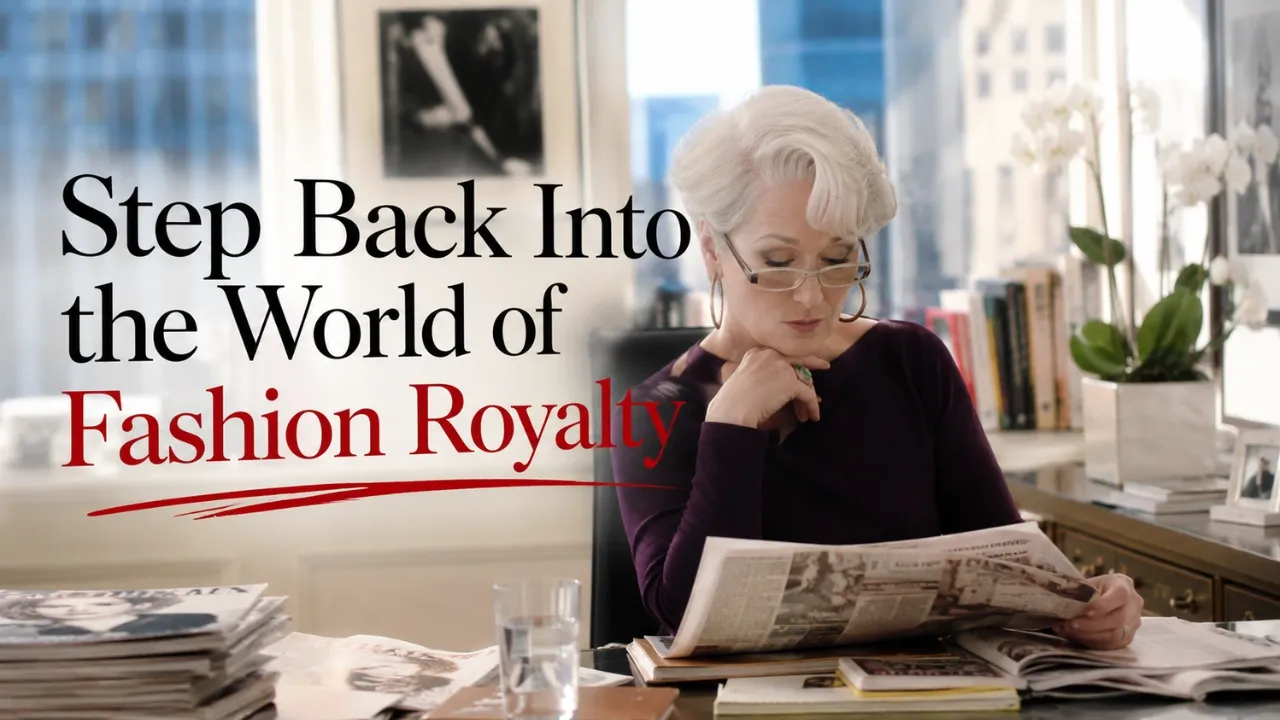
Despite changing trends, the original movie continues attracting new audiences because its themes remain timeless.
Anyone who has experienced:
- A demanding boss
- Career uncertainty
- Workplace pressure
- Personal growth
- Professional ambition
can relate to its story.
That emotional connection explains why excitement surrounding the sequel continues to grow.
Why Revisiting This Story Is Challenging
Unlike many Hollywood sequels that arrive within a few years, The Devil Wears Prada 2 faces a unique challenge. Nearly two decades have passed since the original film, and audience expectations have changed significantly. Fans aren’t simply looking for another collection of stylish outfits—they expect meaningful character development and a story that reflects today’s media landscape. Balancing nostalgia with fresh ideas will likely be one of the film’s biggest challenges if the reported sequel moves forward.
Final Thoughts
The Devil Wears Prada 2 represents much more than a return to a popular movie franchise. It offers an opportunity to revisit unforgettable characters while exploring how careers, leadership, fashion, and media have evolved over time.
The combination of experienced professionals, ambitious newcomers, changing technology, and luxury fashion creates the perfect setting for another compelling story.
Whether you’re drawn to the glamorous wardrobe, workplace drama, inspiring career journeys, or unforgettable personalities, this sequel promises to deliver a fresh perspective while honoring everything audiences loved about the original film.
As anticipation continues to build, one thing remains certain: the world of high fashion still has many stories left to tell, and The Devil Wears Prada 2 is ready to open a stylish new chapter.
Although many details remain unconfirmed, public interest in The Devil Wears Prada 2 shows how strongly the original film continues to resonate with audiences. Whether the sequel ultimately follows the rumored direction or takes an entirely different approach, fans will likely be hoping for the same sharp writing, memorable performances, and fashion-focused storytelling that made the 2006 film so iconic.
Frequently Asked Questions
Is The Devil Wears Prada 2 a direct sequel?
Based on publicly available reports, the project is expected to continue the story of the original film. However, the studio has not officially confirmed every plot detail, so readers should treat current information as unofficial until further announcements are made.
Will the original cast return?
Several entertainment publications have reported that key cast members may return, but the studio has not released a complete official cast list. Until then, any casting information should be considered speculative.
What genre is The Devil Wears Prada 2?
It combines comedy, drama, workplace storytelling, and fashion-focused entertainment.
Is fashion still the main focus?
Fashion remains central, but the story also explores leadership, media transformation, determination, and personal growth.
Why is the sequel generating so much excitement?
The original movie became a cultural icon, making the return of its characters and fashion world highly anticipated by fans worldwide.
Conclusion
If the original movie inspired you with its unforgettable fashion, iconic performances, and compelling workplace drama, The Devil Wears Prada 2 is shaping up to be an exciting continuation. With evolving careers, modern fashion challenges, and a fresh perspective on success, it has all the ingredients to captivate both longtime fans and new audiences.
Stay tuned for more Hollywood movie news, cast updates, reviews, release coverage, and exclusive entertainment features as we continue following the latest developments surrounding this highly anticipated fashion drama.