
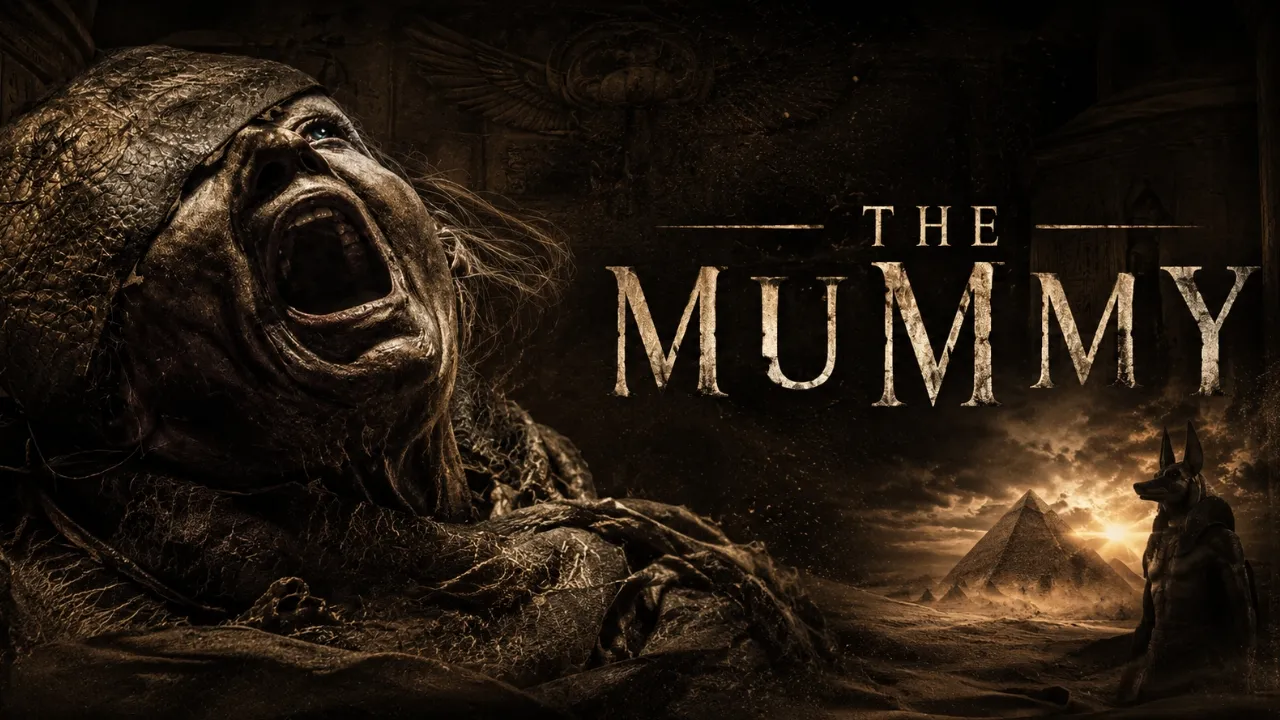
For decades, The Mummy has remained one of cinema’s most recognizable monsters. From the haunting black-and-white classics of the 1930s to the action-packed adventures that captivated audiences in the late 1990s and early 2000s, every generation has experienced a different version of the ancient legend. Now, a fresh interpretation is preparing to introduce the iconic creature to modern horror fans.
This time, filmmaker Lee Cronin is taking charge of the project, promising a version that embraces fear, suspense, and psychological terror instead of relying primarily on blockbuster action. Known for his intense storytelling and disturbing horror sequences, Cronin has built a reputation for creating films that leave audiences uncomfortable in the best possible way. His involvement has immediately made The Mummy one of the most anticipated horror releases in recent years.
Unlike previous adaptations that focused on treasure hunts, adventurous heroes, and supernatural spectacle, this reboot appears ready to return to the monster’s frightening origins. Early information suggests that viewers can expect a darker atmosphere, unsettling visuals, and a story built around mystery rather than nonstop action.
In this article, we’ll explore everything currently known about Lee Cronin’s The Mummy, including its creative vision, production details, cast updates, story possibilities, release plans, and why horror fans around the world are eagerly waiting for this new chapter.
A Legendary Monster Returns
Very few horror icons have enjoyed the longevity of The Mummy. Unlike vampires, werewolves, or ghosts, the mummy carries a unique blend of mythology, archaeology, ancient civilizations, and supernatural curses. That combination has allowed filmmakers to reinvent the character multiple times while keeping its mysterious appeal alive.
The earliest adaptations focused on gothic horror, presenting the mummy as a tragic yet terrifying figure awakened from an ancient tomb. Those films relied on slow-building suspense, eerie music, and atmospheric storytelling.
Decades later, audiences witnessed a dramatically different interpretation. Adventure became the central theme, transforming the monster into the centerpiece of globe-trotting action films filled with visual effects, comedic moments, and large-scale battles.
While these versions achieved tremendous popularity, many longtime horror enthusiasts felt that the terrifying essence of the mummy had gradually faded. Lee Cronin’s reboot appears determined to restore that fear.
Instead of treating the creature as a fantasy villain surrounded by explosions and elaborate action scenes, Cronin seems interested in exploring what makes the legend genuinely disturbing.
The idea of an ancient being returning from death after thousands of years remains deeply unsettling. Combined with modern filmmaking techniques and Cronin’s distinctive horror style, this approach could create an unforgettable cinematic experience.
Who Is Lee Cronin?
Lee Cronin has steadily become one of horror cinema’s most respected modern directors. Born in Ireland, Cronin gained international recognition through his ability to combine emotionally driven storytelling with relentless horror sequences. Rather than relying only on jump scares, he often creates psychological tension that slowly builds until audiences are completely immersed in the nightmare unfolding on screen.
His breakthrough projects demonstrated several qualities that have now become his signature style:
- Intense suspense
- Practical horror effects
- Disturbing creature designs
- Emotional character development
- Claustrophobic environments
- Unpredictable storytelling
Perhaps most importantly, Cronin understands that effective horror begins with believable characters. Viewers care about the people before terrifying events begin, making every frightening moment feel significantly more impactful.
This storytelling philosophy makes him an especially intriguing choice for The Mummy. Rather than simply reviving another classic monster, Cronin has the opportunity to reinvent it for an entirely new generation.
Many horror fans believe this project could become his biggest work to date.
Why This Reboot Feels Different
Hollywood has revisited classic monsters many times over the past several decades. Some adaptations succeeded, while others struggled to connect with audiences.
One common criticism has been an excessive emphasis on spectacle rather than horror. Large action sequences, computer-generated destruction, and superhero-style storytelling sometimes overshadowed the frightening elements that originally made these monsters famous. Lee Cronin’s version appears to move in the opposite direction.
Instead of asking, “How can we make The Mummy bigger?” The creative team seems to be asking, “How can we make The Mummy scarier?” That simple change in creative direction could completely transform audience expectations. Several factors make this reboot particularly exciting.
Returning to Horror Roots
Classic monster films worked because they embraced mystery. Viewers didn’t immediately understand the creature’s powers, motives, or limitations. That uncertainty created genuine suspense. Modern audiences often appreciate horror films that reveal information gradually rather than explaining every supernatural event immediately. Cronin’s filmmaking style aligns perfectly with that philosophy.
Psychological Fear
The greatest horror stories don’t simply frighten viewers with monsters. They create fear through uncertainty.
Questions like:
- What awakened the curse?
- Can anyone escape?
- Is the monster hunting randomly or intentionally?
- Can it even be stopped?
These unanswered questions keep audiences emotionally invested throughout the film. Psychological horror often remains memorable long after the credits finish rolling.
Ancient Mythology
Egyptian mythology continues to fascinate people around the world. Stories involving forgotten gods, forbidden rituals, cursed tombs, hidden temples, and mysterious relics naturally create compelling horror settings. Instead of presenting mythology as background decoration, the new film may integrate these ancient beliefs directly into the central narrative. That approach could add significant depth while maintaining the frightening atmosphere.
Production and Development
Development of the new The Mummy has generated considerable excitement throughout the entertainment industry. The project represents another attempt to reintroduce one of cinema’s oldest monsters for contemporary audiences. Unlike previous interconnected cinematic universe plans, this film appears designed to stand on its own. That creative independence allows filmmakers greater freedom to develop characters, mythology, and horror without needing to establish future crossover stories.
Many fans see this as a positive creative decision. Standalone horror films often benefit from tighter storytelling and stronger emotional focus. Rather than spending valuable screen time setting up sequels, the filmmakers can concentrate entirely on delivering one unforgettable experience. Production has also attracted attention because of the creative companies involved. Their combined experience with modern horror filmmaking suggests a strong commitment to practical scares, immersive production design, and atmospheric cinematography.
If successful, The Mummy could become one of the defining horror releases of its year.
What Could the Story Be About?
Although official plot details remain limited, the possibilities surrounding The Mummy are incredibly exciting. Rather than repeating earlier versions, many industry observers expect an entirely original storyline. Several directions seem possible.
A Newly Discovered Tomb
An archaeological expedition uncovers a burial site that has remained hidden for thousands of years. Ignoring ancient warnings, researchers unknowingly unleash an evil that civilization was never meant to encounter. What begins as an extraordinary scientific discovery quickly becomes a desperate fight for survival.
A Modern Curse
Instead of focusing only on ancient Egypt, the curse could spread into today’s world. Modern technology, global travel, and urban environments would create fascinating contrasts with ancient supernatural forces. Imagine an unstoppable curse moving silently through crowded cities while authorities struggle to understand what they are facing. Such an approach could make the horror feel surprisingly realistic.
Survival Horror
Rather than building toward massive battles involving armies and magical powers, Cronin may choose a far more intimate narrative. A small group of ordinary people trapped in an isolated location often creates stronger suspense than worldwide destruction. Limited escape routes. Growing paranoia. Ancient creatures hiding in darkness. These elements have become hallmarks of effective horror storytelling.
Atmosphere Will Likely Be the Film’s Greatest Strength
One of the reasons horror enthusiasts are particularly excited involves Lee Cronin’s ability to create atmosphere. Atmosphere cannot be generated solely through expensive visual effects. Instead, it emerges from careful filmmaking choices:
- Lighting
- Sound design
- Camera movement
- Silence
- Practical effects
- Production design
- Music
- Character reactions
When these elements work together, audiences experience genuine tension before anything frightening even appears on screen. Imagine long underground corridors illuminated only by flickering torchlight. Dust floating through ancient chambers. Whispers echoing from unseen passages. Statues appearing to watch every movement. Footsteps that suddenly stop. A distant breath emerging from complete darkness.
These moments often become more terrifying than any large action sequence because they force viewers to imagine dangers before actually seeing them. If Lee Cronin applies the same atmospheric techniques that earned him recognition in previous horror films, The Mummy could deliver one of the most immersive horror experiences in years.
Why Horror Fans Are Already Excited
Excitement surrounding the film isn’t based only on nostalgia. It comes from the combination of several promising factors. First, classic monster stories have recently regained popularity among audiences looking for original horror experiences. Second, Lee Cronin has demonstrated a clear understanding of suspense-driven filmmaking.
Third, many viewers have expressed interest in seeing The Mummy return to its frightening origins rather than functioning primarily as an action-adventure spectacle.
Finally, advances in practical effects, sound design, and modern cinematography provide filmmakers with powerful tools to create truly terrifying scenes while preserving the timeless mystery that has always defined the legendary mummy.
For longtime horror fans and newcomers alike, this reboot represents an opportunity to experience one of cinema’s greatest monsters through a darker, more suspenseful lens—one that emphasizes fear, atmosphere, and psychological tension over spectacle alone.
Cast and Characters: What We Know So Far
As with many high-profile productions, the filmmakers have chosen to keep several details under wraps. While official announcements have gradually revealed members of the cast, much of each character’s role remains a mystery. This secrecy has only increased excitement among horror fans, who are eager to discover how the story will unfold.
Rather than centering on a fearless action hero, many viewers expect the film to focus on ordinary people caught in extraordinary circumstances. That approach has become increasingly popular in modern horror because it makes the danger feel more believable and emotionally engaging.
Possible character types could include:
An Archaeologist
An experienced researcher fascinated by ancient civilizations who unknowingly uncovers a long-forgotten burial site.
A Historian
Someone capable of interpreting ancient texts and understanding the terrifying significance of forgotten rituals before it’s too late.
A Survivor
An individual with no connection to archaeology who becomes trapped in the unfolding nightmare and must rely on instinct rather than knowledge.
The Ancient Evil
The mummy itself is expected to be far more than a silent monster. Modern horror audiences appreciate villains with depth, history, and motivation. Whether portrayed as a cursed ruler, a powerful priest, or a supernatural guardian, the creature will likely have a rich backstory that gradually unfolds throughout the film.
A New Vision for One of Horror’s Greatest Icons
Every generation has its own version of classic monsters. The original The Mummy emphasized gothic horror. Later adaptations focused on adventure and large-scale action. Lee Cronin appears ready to deliver something entirely different. Instead of portraying the mummy as simply another monster chasing heroes across spectacular locations, the new film is expected to explore themes such as grief, obsession, mortality, forbidden knowledge, and the consequences of disturbing the past.
This creative direction has become one of the project’s strongest selling points. Today’s audiences often appreciate horror that offers both emotional depth and terrifying entertainment. If successful, The Mummy could become much more than another reboot—it could redefine how classic movie monsters are adapted for modern cinema.
Visual Style and Cinematography
One area where the film has generated significant anticipation is its visual presentation. Ancient tombs, forgotten temples, underground chambers, abandoned excavation sites, and mysterious desert landscapes provide filmmakers with extraordinary opportunities for atmospheric storytelling. Rather than relying exclusively on computer-generated imagery, many horror fans hope the production makes extensive use of practical effects, detailed set construction, and realistic creature makeup.
Practical effects often create a stronger sense of realism because actors interact with physical environments rather than entirely digital creations. Combined with carefully controlled lighting and immersive sound design, this approach can make every scene feel unsettling and believable. Dark corridors illuminated by flickering flames, narrow passageways filled with ancient symbols, and vast underground chambers hidden beneath centuries of sand all contribute to an unforgettable cinematic experience.
The Importance of Sound in Horror
While visuals receive much of the attention, sound is often the element that transforms a good horror film into a truly frightening one. Silence can be just as terrifying as loud musical cues.
Imagine hearing:
- Slow footsteps echoing through endless tunnels.
- Ancient whispers carried by the wind.
- Crumbling stone walls shifting in the darkness.
- Distant breathing with no visible source.
- The scraping sound of something slowly awakening.
These subtle audio details create tension long before the audience actually sees the threat. Lee Cronin’s previous work has demonstrated a strong understanding of how sound can build suspense naturally rather than relying solely on sudden jump scares. That experience could become one of the film’s greatest strengths.
How This Reboot Could Stand Apart
Reboots often face a difficult challenge. Audiences want something familiar enough to respect the original while also offering fresh ideas. Based on everything revealed so far, this version appears determined to avoid simply repeating previous films. Instead of focusing on comedy, romance, or large-scale fantasy battles, the emphasis seems to remain firmly on horror.
Possible differences include:
- Slower, suspense-driven storytelling.
- Greater emotional investment in the characters.
- More disturbing supernatural mythology.
- Practical horror effects.
- Psychological tension instead of nonstop action.
- A genuinely frightening version of the mummy.
These elements reflect what many horror enthusiasts have been requesting for years.
Why the Mummy Legend Still Fascinates Audiences
Ancient Egyptian mythology continues to inspire storytellers because it blends history, mystery, religion, and supernatural folklore. The idea of disturbing a sacred burial place raises timeless questions. Should some secrets remain hidden? Can humanity’s curiosity become dangerous? What happens when science ignores ancient warnings? These themes remain relevant regardless of the era. Unlike many fictional monsters, the mummy is deeply connected to real-world history.
Ancient tombs, archaeological discoveries, elaborate burial rituals, and preserved human remains all exist in reality, making supernatural interpretations feel especially intriguing. That combination of historical inspiration and horror fantasy gives The Mummy a unique identity within the genre.
Audience Expectations
Anticipation continues to grow as horror fans discuss the project across social media and entertainment communities.
Many viewers hope the film delivers:
- A terrifying creature design.
- Strong character development.
- Practical effects whenever possible.
- Memorable suspense sequences.
- A fresh interpretation of ancient mythology.
- A satisfying standalone story.
If the filmmakers successfully balance these elements, The Mummy could become one of the year’s most talked-about horror releases.
Final Thoughts
Lee Cronin’s The Mummy represents far more than another attempt to revive a classic movie monster. It signals a return to the qualities that originally made these stories unforgettable—fear, mystery, suspense, and atmosphere. Rather than competing with superhero blockbusters or action spectacles, the film appears ready to embrace horror with confidence. That creative decision alone has generated tremendous excitement among genre fans.
Although many questions remain unanswered until additional trailers and official announcements are released, the project’s direction already suggests something refreshingly different. A darker tone. A stronger focus on psychological horror. Ancient mythology treated with respect. Immersive world-building. And a filmmaker known for creating deeply unsettling experiences. Together, these ingredients have the potential to produce one of the most memorable monster movies of the decade.
Whether you’re a longtime fan of classic Universal monsters or someone discovering the legend for the first time, Lee Cronin’s The Mummy is undoubtedly a film worth watching. As more official information becomes available—including trailers, character reveals, and behind-the-scenes details—the excitement surrounding this ambitious reboot is only expected to grow.
For horror enthusiasts searching for a terrifying cinematic experience that respects the past while embracing modern filmmaking, The Mummy may become one of the year’s essential releases.
Frequently Asked Questions (FAQ)
Is Lee Cronin’s The Mummy a remake?
No. It is expected to be a fresh reimagining of the classic monster rather than a scene-by-scene remake of any previous film.
Is this movie connected to earlier Mummy films?
Current information suggests the film is designed as a standalone story with its own mythology and creative direction.
What genre is the new The Mummy?
The film is being developed primarily as a horror movie, emphasizing suspense, psychological tension, and supernatural fear rather than action-adventure.
Why is Lee Cronin directing the film?
Cronin has earned recognition for creating emotionally driven horror films with strong atmosphere, making him a compelling choice to reinvent one of cinema’s most iconic monsters.
Will the film focus on Egyptian mythology?
Ancient Egyptian mythology is expected to play an important role, although the filmmakers are also introducing original story elements to create a fresh experience.
Is this movie suitable for fans of classic horror?
Yes. Based on the creative direction revealed so far, the reboot aims to capture the suspense, mystery, and fear that defined classic monster films while using modern filmmaking techniques.
Conclusion
Classic monsters continue to evolve because every generation finds new ways to interpret timeless legends. Lee Cronin’s The Mummy appears ready to honor that tradition by returning the franchise to its horror roots while introducing fresh storytelling, atmospheric filmmaking, and psychological suspense.
Although audiences will have to wait until the film reaches theaters to experience its full impact, the project has already established itself as one of the most anticipated horror releases on the horizon. If the final film delivers on its promise, it could become a landmark entry in modern horror and remind audiences why the legend of the mummy has endured for nearly a century. Stay tuned for more updates as new trailers, cast announcements, and official production details are revealed.