
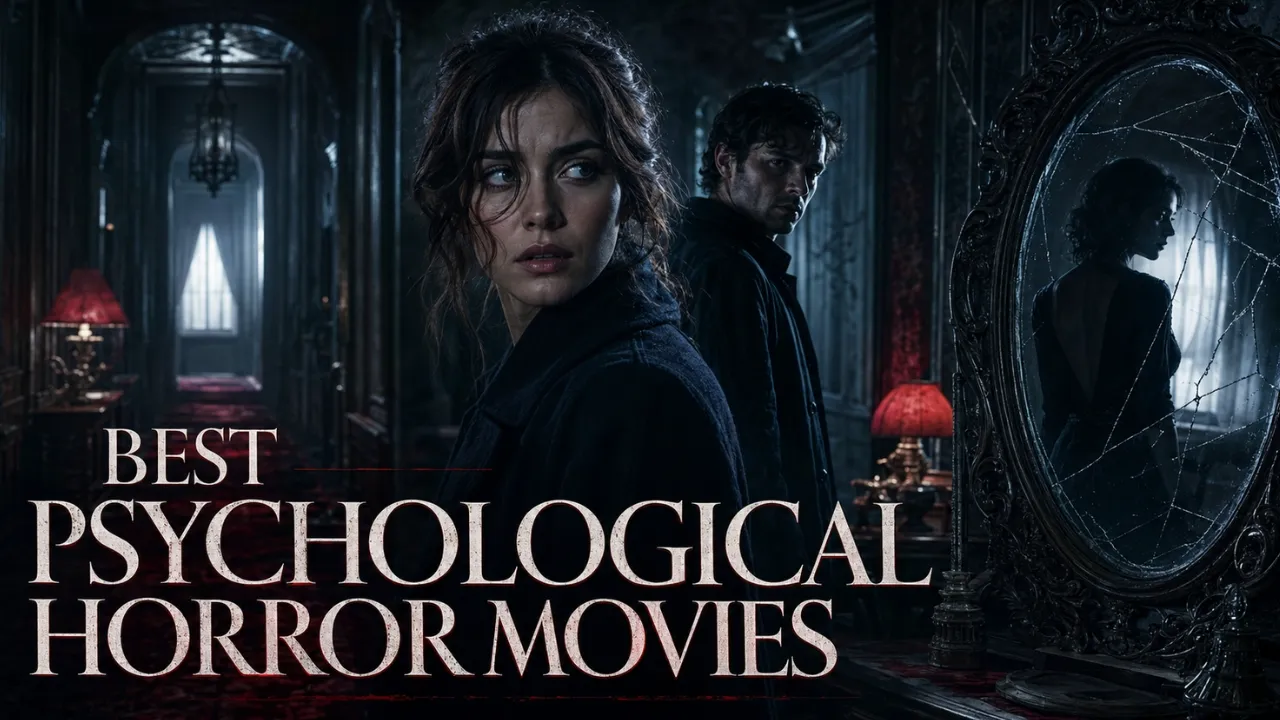
Horror has always been one of cinema’s most fascinating genres, but not every frightening film relies on ghosts, monsters, or gruesome violence. Some of the most unforgettable movies leave audiences unsettled without showing much blood at all. Instead, they explore fear through the human mind, emotional trauma, paranoia, guilt, and psychological conflict. This unique style of storytelling is known as psychological horror, a subgenre that has captivated movie lovers for decades.
Unlike traditional horror films that depend on jump scares or supernatural creatures, psychological horror creates tension by making viewers question reality itself. The fear comes from uncertainty rather than visible danger. Characters often struggle with mental instability, hidden secrets, disturbing memories, or situations where nothing feels entirely real. As the story unfolds, audiences become trapped inside the characters’ thoughts, making every revelation even more unsettling.
Hollywood has produced countless psychological horror films that continue to influence filmmakers around the world. Classics like Psycho changed the horror landscape forever, while modern masterpieces such as Black Swan, The Babadook, and Hereditary have demonstrated that emotional storytelling can be just as terrifying as physical threats. These films remain memorable because they challenge audiences intellectually while delivering powerful emotional experiences.
Whether you’re a longtime horror enthusiast or someone curious about exploring deeper, more thought-provoking cinema, psychological horror offers an unforgettable journey into humanity’s darkest emotions. In this guide, we’ll explore what defines psychological horror, how the genre evolved, why it affects audiences so deeply, and what makes these films stand out from every other type of horror.
What Is Psychological Horror?
Psychological horror is a horror subgenre that focuses on disturbing the audience through emotional tension, mental instability, fear of the unknown, and psychological conflict rather than relying solely on physical violence or supernatural creatures. Instead of presenting obvious monsters, these stories often transform the human mind into the greatest source of fear.
The central conflict usually revolves around perception. Characters may experience hallucinations, paranoia, anxiety, trauma, depression, obsession, or fractured identities. As viewers, we are never completely certain whether the events unfolding on screen are real or imagined. This uncertainty keeps the tension alive throughout the story.
Rather than delivering constant scares, psychological horror gradually builds discomfort. Small details become increasingly significant, everyday environments begin to feel threatening, and ordinary conversations hide disturbing meanings. The audience becomes emotionally invested because the horror develops naturally instead of appearing suddenly.
This storytelling approach creates a lasting impression because the fear continues long after the credits roll. Instead of remembering individual scary scenes, viewers continue questioning the characters’ decisions, motives, and mental states.
Key Characteristics of Psychological Horror
Psychological horror stands apart from other horror genres because it prioritizes emotional depth and mental conflict over spectacle. Several recurring elements define this unique style of filmmaking.
Fear Comes from the Mind
One of the defining characteristics is that fear originates from within the characters rather than external monsters. Anxiety, guilt, grief, trauma, loneliness, and obsession become the driving forces behind the narrative. These emotional struggles gradually consume the protagonist until reality itself begins to break apart.
Unreliable Narrators
Many psychological horror films intentionally make viewers question whether the main character’s perspective is trustworthy. The audience only experiences events through that person’s eyes, but their mental condition may distort reality.
This technique creates suspense because viewers constantly wonder whether they are witnessing actual events or psychological delusions.
Slow-Building Suspense
Unlike slasher films that rely on frequent action sequences, psychological horror develops tension patiently. Every scene contributes to the atmosphere, allowing anxiety to grow naturally.
Silence often becomes more frightening than loud noises. Empty rooms, lingering camera shots, unsettling music, and subtle performances create emotional pressure that gradually intensifies.
Emotional Complexity
Characters in psychological horror rarely fit simple heroic or villainous roles. Instead, they are deeply flawed individuals struggling with personal conflicts.
Their emotional vulnerability makes them believable and relatable. As audiences connect with these characters, their suffering becomes more impactful, making the horror feel realistic.
Ambiguous Endings
Many psychological horror movies avoid providing clear answers. Rather than explaining every mystery, they leave important questions open for interpretation.
These endings encourage discussion and repeated viewings, allowing audiences to discover new details each time they watch the film.
Table: Psychological Horror vs Traditional Horror
| Feature | Psychological Horror | Traditional Horror |
|---|---|---|
| Primary Fear | Mental instability and emotional conflict | Monsters, ghosts, killers |
| Story Focus | Character psychology | External threats |
| Scares | Slow-building tension | Jump scares and action |
| Atmosphere | Suspense, mystery, uncertainty | Immediate danger |
| Ending | Often ambiguous | Usually resolved clearly |
| Emotional Impact | Long-lasting psychological discomfort | Short-term excitement |
The Evolution of Psychological Horror in Hollywood
Psychological horror did not appear overnight. It evolved gradually as filmmakers began exploring the darker aspects of human behavior rather than relying solely on supernatural creatures.
Early horror cinema primarily focused on vampires, werewolves, and haunted castles. While these stories entertained audiences, directors soon realized that the human mind could be far more frightening than fictional monsters.
One of the earliest milestones came with Alfred Hitchcock’s groundbreaking film Psycho in 1960. Instead of supernatural forces, the movie presented a deeply disturbed individual whose fractured personality became the true source of terror. The shocking narrative demonstrated that ordinary people could be capable of unimaginable acts.
During the following decades, filmmakers experimented with increasingly complex narratives. Psychological horror became more sophisticated by combining suspense with emotional storytelling. Rather than simply frightening audiences, these films explored themes such as grief, identity, guilt, family trauma, addiction, and mental illness.
The 1990s and early 2000s introduced audiences to stories that blurred the boundaries between reality and imagination. Filmmakers embraced unreliable narrators, dream-like sequences, and symbolic storytelling, creating experiences that demanded careful attention.
Today, psychological horror continues evolving with modern filmmaking techniques, richer character development, and more emotionally layered narratives. Contemporary directors focus less on shocking audiences through violence and more on creating immersive psychological experiences that resonate long after viewing.
Why Psychological Horror Feels So Real
One reason psychological horror remains incredibly effective is its connection to genuine human emotions. Unlike fictional monsters, fear, anxiety, loneliness, guilt, and trauma exist in everyday life.
Most people have experienced moments of uncertainty, stress, or emotional vulnerability. Psychological horror amplifies these familiar emotions until they become overwhelming.
Instead of imagining impossible creatures, audiences imagine themselves losing control of their own thoughts. That possibility feels disturbingly realistic.
The genre also explores universal fears, including:
- Losing one’s identity
- Forgetting reality
- Isolation
- Betrayal
- Childhood trauma
- Family conflict
- Obsession
- Mental deterioration
- Grief
- Loneliness
Because these fears are rooted in everyday experiences, psychological horror often leaves a stronger emotional impact than traditional horror films.
Common Themes Found in Psychological Horror Films
Although every psychological horror movie tells a unique story, several themes appear repeatedly throughout the genre.
Trauma
Many protagonists carry emotional wounds from their past. Rather than disappearing, these experiences slowly shape their decisions, relationships, and perception of reality.
The horror often emerges because unresolved trauma refuses to remain buried.
Isolation
Isolation is another recurring element. Characters frequently become separated from family, friends, or society altogether.
As loneliness increases, so does uncertainty. Without trustworthy people around them, distinguishing reality from imagination becomes increasingly difficult.
Identity Crisis
Some films explore fractured personalities or characters struggling to understand who they truly are.
Memories may be unreliable, personalities may conflict, and hidden truths gradually emerge throughout the narrative.
These identity conflicts create emotional tension that feels deeply personal.
Obsession
Whether pursuing perfection, revenge, love, or personal success, obsession often becomes destructive.
Characters slowly sacrifice relationships, morality, and even their sanity while chasing impossible goals.
The audience witnesses their gradual psychological collapse, making every decision more disturbing than the last.
Guilt and Regret
Past mistakes frequently haunt psychological horror protagonists.
Instead of escaping their decisions, they become trapped by guilt that manifests through nightmares, hallucinations, paranoia, or emotional breakdowns.
This internal punishment often becomes more terrifying than any physical threat.
How Atmosphere Creates Fear Instead of Violence
Perhaps the greatest strength of psychological horror is its ability to create overwhelming fear without relying heavily on graphic violence.
Lighting plays an essential role. Dimly lit rooms, long shadows, abandoned buildings, and empty hallways immediately create uncertainty.
Sound design is equally important. Silence often becomes more unsettling than loud music. Small background noises, distant footsteps, whispers, or barely noticeable environmental sounds keep audiences constantly alert.
Camera movement also contributes significantly. Slow tracking shots, close-up facial expressions, unusual angles, and lingering scenes encourage viewers to examine every detail carefully.
Instead of overwhelming audiences with visual effects, psychological horror invites them to imagine possibilities. Human imagination often creates fears far greater than anything shown directly on screen.
Why Do People Enjoy Psychological Horror Movies?
At first glance, it may seem strange that millions of people willingly watch films designed to make them uncomfortable. Yet psychological horror continues to attract loyal audiences because it offers something far more meaningful than simple scares. These movies engage viewers intellectually and emotionally, creating an experience that extends well beyond entertainment.
Unlike conventional horror, psychological horror challenges audiences to actively participate in the story. Rather than passively watching events unfold, viewers analyze clues, question characters’ motives, and attempt to separate reality from illusion. Every scene encourages interpretation, making the viewing experience highly immersive.
Another reason people enjoy the genre is the emotional release it provides. Watching fictional characters confront fear, grief, guilt, or trauma allows audiences to explore difficult emotions within a safe environment. While the stories may be unsettling, they also encourage reflection on the complexities of human behavior.
Psychological horror also appeals to people who appreciate layered storytelling. Many films reveal hidden details during a second or third viewing, rewarding audiences who pay close attention. Symbolism, visual metaphors, and subtle dialogue often carry meanings that are easy to miss the first time around.
Perhaps most importantly, psychological horror stays with viewers long after the movie ends. Instead of forgetting the experience within hours, audiences continue discussing theories, interpreting endings, and reconsidering key moments. Few genres create such lasting conversations.
Psychological Horror vs. Supernatural Horror
Although these genres are often grouped together, they focus on very different types of fear.
Psychological horror primarily examines the human mind. The central source of terror comes from emotional instability, distorted perception, or mental conflict. Whether the threat is real or imagined often remains unclear until the final scenes, if it is explained at all.
Supernatural horror, on the other hand, introduces forces that exist beyond normal human understanding. Ghosts, demons, curses, haunted objects, and paranormal entities usually drive the conflict. The audience generally knows that an external supernatural force is responsible for the frightening events.
Interestingly, many modern films successfully blend both genres. A story may begin as psychological horror, leading viewers to believe the protagonist is experiencing paranoia or hallucinations, only to reveal supernatural elements later. Conversely, a seemingly supernatural narrative may ultimately expose psychological explanations behind every mysterious event.
This combination keeps audiences uncertain and enhances the overall suspense.
Hallmarks of a Great Psychological Horror Film
Not every horror movie qualifies as psychological horror. The strongest entries in the genre share several qualities that elevate them beyond conventional scares.
Strong Character Development
A compelling psychological horror story begins with believable characters. Their fears, relationships, personal struggles, and emotional weaknesses become the foundation of the narrative.
When audiences genuinely care about the protagonist, every moment of uncertainty carries greater emotional weight.
Atmosphere Over Action
The most memorable psychological horror films rarely rush their stories. Instead, they allow tension to develop gradually through carefully crafted environments, sound design, cinematography, and pacing.
An empty hallway, an uncomfortable silence, or a lingering camera shot can often create more anxiety than an elaborate special effect.
Symbolism
Psychological horror frequently uses symbolism to communicate ideas without explicit explanation.
Objects, locations, recurring dreams, mirrors, colors, and repeated visual patterns often represent emotional states or hidden conflicts. These symbols encourage viewers to interpret the story on multiple levels.
Moral Complexity
Characters are rarely entirely innocent or completely evil.
Many protagonists make questionable decisions driven by desperation, fear, or obsession. Likewise, antagonists often possess understandable motivations, making the conflict emotionally nuanced rather than simplistic.
Emotional Authenticity
Even the most surreal psychological horror stories succeed because the emotions feel genuine.
Fear, grief, loneliness, guilt, jealousy, and regret are universal experiences. By grounding extraordinary situations in authentic human emotions, filmmakers create stories that resonate deeply with audiences.
Some of the Most Influential Psychological Horror Movies
Hollywood has produced numerous psychological horror films that have shaped the genre over the decades. While each movie approaches fear differently, all of them demonstrate the power of psychological storytelling.
| Movie | Release Year | Why It Stands Out |
|---|---|---|
| Psycho | 1960 | Revolutionized horror through psychological suspense and unforgettable storytelling. |
| The Shining | 1980 | Explores isolation, madness, and the slow collapse of a family. |
| The Silence of the Lambs | 1991 | Combines psychological tension with crime investigation and unforgettable characters. |
| Black Swan | 2010 | Examines obsession, perfectionism, and fractured identity. |
| The Babadook | 2014 | Uses horror as a metaphor for grief and emotional trauma. |
| Hereditary | 2018 | Blends family tragedy with deeply unsettling psychological tension. |
Each of these films demonstrates that genuine fear often emerges from emotional vulnerability rather than visible monsters.
Storytelling Techniques That Define Psychological Horror
Psychological horror relies on storytelling techniques that subtly manipulate the audience’s perception.
Uncertainty
Viewers are rarely given complete information. Missing details encourage speculation, increasing tension throughout the narrative.
Dreams and Hallucinations
Dream sequences often blur the boundary between imagination and reality. As these moments become increasingly convincing, audiences begin questioning every scene that follows.
Fragmented Memories
Characters frequently struggle to remember important events accurately. These incomplete memories become central mysteries that gradually reveal hidden truths.
Visual Metaphors
Directors often communicate emotional conflict through imagery rather than dialogue. Broken mirrors, empty rooms, deteriorating buildings, or recurring objects may symbolize internal struggles.
Slow Revelations
Instead of revealing the mystery immediately, psychological horror gradually uncovers information through subtle clues. This pacing allows suspense to build naturally while encouraging audience engagement.
The Role of Sound and Cinematography
One of the defining strengths of psychological horror lies in its technical craftsmanship.
Sound design often avoids excessive music, relying instead on silence, distant noises, whispers, echoes, or environmental sounds to create discomfort. The absence of sound can be even more unsettling than dramatic musical scores.
Cinematography also plays a critical role. Directors frequently use:
- Long uninterrupted takes
- Tight close-up shots
- Distorted camera angles
- Empty spaces within the frame
- Slow camera movements
- Low lighting
- Natural shadows
These visual choices subtly communicate emotional instability without requiring explicit dialogue.
The audience unconsciously absorbs these cues, making the atmosphere increasingly oppressive as the story progresses.
Why Psychological Horror Continues to Thrive
Modern audiences increasingly appreciate stories that combine entertainment with emotional depth. Psychological horror satisfies this demand by offering complex narratives alongside suspenseful experiences.
Streaming platforms have also contributed to the genre’s popularity. Viewers now have access to a diverse range of independent films that experiment with unconventional storytelling techniques.
Additionally, filmmakers are exploring more realistic emotional themes than ever before. Anxiety, grief, identity, family relationships, isolation, and personal trauma have become central subjects, allowing psychological horror to remain relevant in contemporary cinema.
Rather than relying solely on frightening imagery, today’s films encourage meaningful discussion about mental health, personal responsibility, and human vulnerability.
Tips for First-Time Viewers of Psychological Horror
If you’re new to the genre, approaching psychological horror with the right expectations can greatly enhance your experience.
- Focus on the characters rather than searching for immediate scares.
- Pay attention to small details, as seemingly minor moments often become significant later.
- Observe recurring symbols, colors, or objects that may represent deeper themes.
- Avoid distractions while watching, since subtle clues are easy to miss.
- Keep an open mind if the ending feels ambiguous. Many psychological horror films intentionally encourage multiple interpretations.
Watching these movies as thoughtful dramas rather than conventional horror often reveals their greatest strengths.
Frequently Asked Questions (FAQ)
What is psychological horror?
Psychological horror is a subgenre of horror that creates fear through emotional conflict, mental instability, paranoia, trauma, and distorted perception instead of relying primarily on monsters or graphic violence.
How is psychological horror different from regular horror?
Traditional horror usually focuses on external threats such as supernatural creatures or killers, while psychological horror emphasizes internal struggles, emotional tension, and uncertainty about reality.
Are psychological horror movies scary?
Yes, but the fear develops differently. Instead of constant jump scares, psychological horror builds suspense gradually, creating lasting emotional discomfort and mental tension.
Why are psychological horror movies so popular?
Many viewers enjoy the genre because it combines intelligent storytelling, complex characters, emotional depth, and suspense that continues to provoke thought after the movie ends.
Can psychological horror include supernatural elements?
Absolutely. Many films successfully combine psychological conflict with supernatural events, leaving audiences uncertain whether the source of fear is internal, external, or both.
Final Thoughts
Psychological horror remains one of Hollywood’s most compelling genres because it transforms ordinary human emotions into extraordinary cinematic experiences. Rather than depending solely on monsters or violence, these films uncover the hidden fears that already exist within every individual.
By exploring grief, guilt, obsession, trauma, loneliness, and identity, psychological horror reaches far beyond traditional entertainment. It encourages viewers to question reality, examine human behavior, and confront emotions that are often difficult to express.
The genre continues to evolve with each generation of filmmakers, introducing innovative storytelling techniques while preserving the timeless idea that the human mind can be the most frightening place of all. Whether experienced through classic masterpieces or contemporary releases, psychological horror demonstrates that true fear is often invisible, deeply personal, and impossible to forget.
For movie enthusiasts seeking stories that offer both suspense and substance, psychological horror remains an essential genre worth exploring. Its unique blend of emotional realism, atmospheric filmmaking, and psychological complexity ensures that these films will continue to captivate audiences for years to come.
Conclusion
Psychological horror stands apart from every other horror subgenre because it prioritizes the inner world of its characters over external threats. Through layered storytelling, memorable performances, immersive atmosphere, and emotionally rich themes, these films create experiences that resonate long after the screen fades to black.
Whether you’re revisiting timeless classics or discovering modern masterpieces, psychological horror offers more than fear—it offers insight into the complexities of the human mind. For anyone who appreciates intelligent cinema that challenges perceptions and rewards careful attention, this genre represents some of Hollywood’s finest storytelling.