
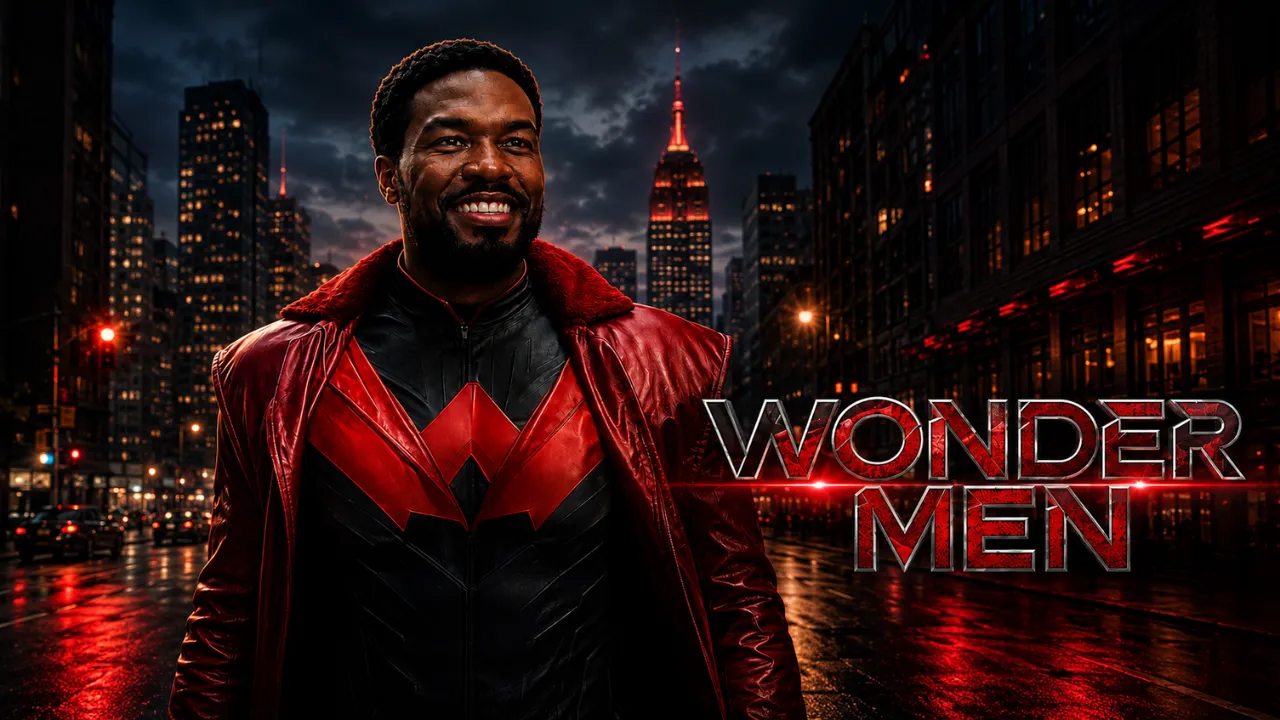
The Marvel Cinematic Universe has introduced countless heroes over the years, each bringing a unique personality and memorable journey to audiences around the globe. While fans have become familiar with iconic names such as Iron Man, Captain America, Spider-Man, and Doctor Strange, Marvel continues expanding its universe by introducing characters who have rarely appeared in live-action productions. One of the most intriguing additions arriving in 2026 is Wonder Man, a television series that promises a refreshing combination of comedy, Hollywood satire, superhero action, and emotional storytelling.
Unlike many traditional Marvel productions that revolve around saving the world from cosmic threats, Wonder Man takes a different route. Instead of focusing solely on battles between heroes and villains, the series explores the complicated relationship between fame, identity, entertainment, and extraordinary abilities. This distinctive direction has already created excitement among Marvel enthusiasts, comic book readers, and viewers looking for something different from the usual superhero formula.
With an experienced creative team, talented cast, and an entirely fresh storytelling approach, Wonder Man is expected to become one of the most unique Marvel television projects released in recent years. Rather than relying only on explosive action sequences, the show appears to place equal emphasis on humor, character development, and the fascinating world of Hollywood itself.
This comprehensive guide explores everything currently known about Wonder Man, including its storyline, cast, Marvel Comics origins, production background, expected themes, and why the series could play an important role in the future of the Marvel Cinematic Universe.
Quick Overview of Wonder Man (2026)
| Details | Information |
|---|---|
| Title | Wonder Man |
| Release Year | 2026 |
| Genre | Comedy, Superhero |
| Universe | Marvel Cinematic Universe (MCU) |
| Format | Television Series |
| Seasons | 1 (Announced) |
| Based On | Marvel Comics Character Wonder Man |
| Primary Theme | Fame, Identity, Hollywood, Superheroes |
A Fresh Direction for the Marvel Cinematic Universe
For more than a decade, Marvel Studios has built one of the most successful entertainment franchises in history. While many projects focus on massive battles, intergalactic conflicts, or magical adventures, audiences have increasingly shown appreciation for stories that offer a more personal perspective. Recent Marvel productions have experimented with different genres including legal comedy, horror-inspired narratives, espionage thrillers, and holiday specials.
Wonder Man continues this creative evolution by introducing viewers to a story deeply connected with the entertainment industry. Rather than placing every scene inside laboratories, alien planets, or secret headquarters, much of the narrative reportedly unfolds within Hollywood itself.
This setting creates exciting storytelling opportunities because Simon Williams—the character known as Wonder Man—has always shared an unusual connection with acting and celebrity culture in Marvel Comics. That background allows the series to explore what it truly means to become famous while simultaneously dealing with extraordinary powers.
Instead of asking whether a hero can save humanity, Wonder Man seems more interested in asking whether someone can maintain their identity while becoming both a superhero and a public figure.
That concept immediately separates the series from many previous Marvel television projects.
Who Is Wonder Man in Marvel Comics?
To fully appreciate the upcoming series, it helps to understand the comic book origins of the character.
Wonder Man is the superhero identity of Simon Williams, a character who first appeared in Marvel Comics during the 1960s. Although his early appearances were relatively limited compared to more recognizable heroes, Simon gradually evolved into one of Marvel’s most respected Avengers.
His story is far from ordinary.
Simon initially struggles with personal failures and difficult life circumstances before becoming involved in scientific experiments that dramatically transform his body. Those experiments grant him incredible strength, durability, speed, and energy-based abilities unlike those possessed by ordinary humans.
However, his journey is never defined purely by physical power.
Throughout decades of comic book storytelling, Simon consistently wrestles with questions surrounding responsibility, morality, personal identity, and the cost of fame. Unlike characters who immediately embrace the role of superhero, Wonder Man often questions where he belongs.
His background as an actor also gives him an unusual perspective. He understands performance, public attention, and the expectations placed upon celebrities. That combination makes him one of Marvel’s most distinctive heroes because his greatest challenges frequently involve emotional decisions rather than physical confrontations.
These comic book elements appear to influence the television adaptation, although the MCU version is expected to introduce several modern updates suitable for contemporary audiences.
What Is the Story of Wonder Man?
Marvel Studios has intentionally kept many plot details confidential, which has only increased curiosity surrounding the project. Nevertheless, available information suggests that Wonder Man focuses on Simon Williams as he attempts to establish himself within Hollywood while navigating the unpredictable realities of becoming a superhero.
Rather than following the traditional origin formula seen in many comic book adaptations, the series appears interested in blending multiple worlds together.
One side of Simon’s life revolves around auditions, movie sets, entertainment executives, and the competitive nature of Hollywood.
The other side introduces extraordinary abilities, dangerous situations, and the complicated responsibilities that accompany superhuman powers.
This contrast creates endless opportunities for comedy without sacrificing meaningful storytelling.
Imagine trying to perform dramatic scenes during the day while secretly possessing abilities capable of changing the outcome of life-threatening situations. Balancing those two identities becomes both humorous and emotionally challenging.
The entertainment industry itself may become one of the show’s most important settings, allowing Marvel to satirize celebrity culture while simultaneously celebrating the creativity behind filmmaking.
Rather than simply watching another superhero defeat villains, audiences may witness the fascinating collision between fiction and reality.
A Different Kind of Marvel Comedy
Comedy has always existed within the Marvel Cinematic Universe, but Wonder Man appears prepared to embrace humor in a far more consistent manner.
Instead of relying only on occasional jokes during action scenes, the comedy emerges naturally from Simon Williams’ unusual circumstances.
Hollywood provides countless possibilities for entertaining situations.
Actors compete for roles.
Studios invest millions in blockbuster productions.
Celebrities constantly face media attention.
Fans develop unrealistic expectations.
Now imagine introducing genuine superpowers into that already unpredictable environment.
The result could become one of Marvel’s funniest series while still respecting the emotional depth of its central character.
Comedy also serves another purpose.
It allows audiences to connect more deeply with characters by presenting relatable moments rather than nonstop action. Viewers often remember small conversations, awkward encounters, and humorous misunderstandings long after spectacular visual effects have faded from memory.
If executed successfully, Wonder Man could balance laughter with heartfelt storytelling in a way that feels authentic instead of forced.

The Importance of Simon Williams’ Character Development
Every memorable superhero story depends upon compelling character growth, and Simon Williams offers enormous potential in this regard.
Unlike heroes who immediately understand their purpose, Simon’s journey is expected to involve uncertainty.
He must discover what kind of person he truly wants to become.
Success in Hollywood brings public recognition, financial rewards, and admiration from millions of people.
Being a superhero demands sacrifice, responsibility, and personal risk.
Those two lifestyles rarely complement one another.
The conflict between public success and private responsibility forms the emotional foundation of the story.
Simon may experience moments where pursuing acting opportunities appears easier than embracing dangerous heroic duties.
Conversely, he may discover that genuine heroism cannot be measured through awards, popularity, or media attention.
These internal conflicts make characters feel human regardless of their extraordinary abilities.
Marvel has often succeeded when focusing on emotional storytelling rather than constant spectacle, and Wonder Man seems positioned to continue that tradition.
How Wonder Man Could Expand the MCU
The Marvel Cinematic Universe has grown into an interconnected network of films and television series where even seemingly independent stories often influence larger events.
Although Wonder Man appears smaller in scale compared with multiverse adventures, it still possesses significant potential to expand the MCU.
Hollywood exists within the Marvel universe just as it does in reality.
Movies continue to be produced.
Actors portray fictional heroes.
Celebrities attend premieres.
Public opinion constantly changes.
Exploring this environment offers a fresh perspective rarely seen in previous Marvel productions.
The series may also introduce supporting characters connected to future projects, strengthening the overall continuity without overwhelming new viewers.
Rather than forcing crossover appearances simply for excitement, Wonder Man can naturally build relationships that become meaningful later.
This measured approach often results in stronger storytelling because character connections develop organically instead of feeling artificial.
Visual Style and Creative Direction
One of the most exciting aspects of Wonder Man is its expected visual identity.
Since much of the narrative unfolds within Hollywood, audiences can anticipate colorful production design, detailed film studio environments, glamorous entertainment events, and stylish cinematography that reflects both everyday life and superhero fantasy.
Marvel has consistently invested heavily in production quality, and this series is expected to maintain those high standards.
Rather than creating an overwhelmingly dark atmosphere, the visual presentation may emphasize bright colors, energetic movement, and creative contrasts between glamorous celebrity culture and intense superhero moments.
This artistic direction would complement the series’ comedic tone while still allowing emotional scenes to carry genuine weight.
A visually distinctive style helps television series establish memorable identities, and Wonder Man appears well positioned to stand apart from previous Marvel projects through its Hollywood-inspired aesthetic.
Meet the Cast Bringing Wonder Man to Life
A superhero series can feature an exciting concept, an impressive visual style, and an interesting storyline, but audiences ultimately connect with the people who bring those characters to life. Marvel Studios has earned a reputation for selecting performers who understand both dramatic storytelling and lighthearted entertainment, and Wonder Man follows that tradition.
The lead role belongs to Yahya Abdul-Mateen II, an actor widely recognized for delivering emotionally layered performances across film and television. Taking on Simon Williams requires much more than portraying a physically powerful superhero. The character experiences ambition, self-doubt, public attention, and personal conflict, making him one of Marvel’s more complex protagonists. His journey is expected to balance humor with sincerity, allowing viewers to witness the transformation of an ordinary man navigating an extraordinary life.
Another notable addition is Ben Kingsley, returning to the Marvel Cinematic Universe as Trevor Slattery. Fans first met Trevor years ago, and his unique personality quickly made him one of the franchise’s most memorable supporting characters. His return naturally creates curiosity because he already understands the strange relationship between fame, acting, and public perception. Those themes align perfectly with the central ideas explored throughout Wonder Man, making his appearance feel meaningful rather than simply nostalgic.
Beyond the leading names, the supporting cast is expected to include actors portraying filmmakers, producers, performers, executives, and other individuals connected to Hollywood. These characters help create a believable entertainment industry while also serving the series’ comedic tone. Instead of existing merely to support action scenes, they may contribute to Simon Williams’ personal development by challenging his ambitions, questioning his decisions, or encouraging his growth.
Marvel productions often succeed because every supporting character has a purpose. Even brief appearances frequently influence the protagonist’s journey, and Wonder Man appears poised to continue that storytelling tradition.

Behind the Scenes: The Creative Team
Every successful television series begins long before cameras start rolling. Writers, directors, producers, designers, and countless crew members collaborate to transform an idea into a finished production. In the case of Wonder Man, Marvel Studios has assembled experienced professionals capable of blending superhero storytelling with character-driven comedy.
One of the creative strengths behind the project is its willingness to experiment with genre. Instead of following a predictable formula, the production embraces Hollywood satire while remaining firmly connected to the Marvel Cinematic Universe. Achieving that balance requires careful writing because the comedy should never diminish the emotional stakes or the authenticity of the characters.
The production team also understands the importance of pacing. Audiences appreciate stories that allow emotional moments to breathe while maintaining enough momentum to keep every episode engaging. Rather than relying exclusively on action sequences, the creative direction appears focused on conversations, relationships, career challenges, and personal decisions that gradually shape Simon Williams into a believable hero.
This approach reflects Marvel’s increasing confidence in exploring diverse storytelling styles across its television slate.
How Wonder Man Differs from Traditional Marvel Stories
Most superhero productions begin with a familiar pattern. A dangerous villain emerges, the hero gains new powers, a large-scale battle unfolds, and the world is saved before the final credits.
While those stories remain entertaining, Wonder Man has the opportunity to offer something refreshingly different.
Instead of asking audiences to focus exclusively on physical conflict, the series explores personal identity. Simon Williams must determine how much of himself belongs to the public and how much remains private. Success in Hollywood often requires constant visibility, while superhero responsibilities frequently demand secrecy.
This contradiction creates emotional tension that cannot be resolved through strength alone.
The show also introduces an unusual perspective on celebrity culture. Modern audiences witness actors becoming global icons through blockbuster films, social media, interviews, and public appearances. Wonder Man mirrors aspects of that reality by examining how fame affects personal relationships, confidence, and responsibility.
That makes the series relatable even for viewers who have never read a Marvel comic.
Themes That Could Define Wonder Man
One of the reasons many Marvel stories remain memorable is their ability to explore universal themes beneath the action. Wonder Man appears positioned to continue that tradition by focusing on several meaningful ideas.
Identity Beyond Public Recognition
Many people associate success with recognition, wealth, or popularity. Simon Williams may achieve all of those things through his acting career, yet still question whether external validation truly defines happiness.
His journey reminds viewers that personal fulfillment often comes from authenticity rather than applause.
Responsibility in Unexpected Circumstances
Receiving extraordinary abilities changes every aspect of Simon’s life. Instead of treating those powers as a shortcut to fame, he must consider how they affect others around him.
Responsibility becomes a recurring challenge rather than a single heroic decision.
Balancing Personal Dreams and Greater Purpose
The conflict between career ambitions and moral responsibility resonates with audiences because everyone experiences competing priorities.
Whether pursuing professional goals, supporting family members, or making difficult life choices, people constantly balance personal aspirations with obligations to others.
This emotional realism helps elevate Wonder Man beyond traditional superhero entertainment.
Connections to the Marvel Cinematic Universe
Although Wonder Man introduces a fresh central character, it remains firmly connected to the broader Marvel universe.
Marvel Studios has consistently demonstrated that even smaller stories contribute to larger narratives over time. Rather than forcing unnecessary crossover appearances, the studio typically plants subtle references that gradually become significant.
Simon Williams could eventually interact with established heroes in future MCU projects. His unique experiences within Hollywood may also introduce entirely new corners of the Marvel universe that audiences have not yet explored.
Trevor Slattery’s involvement naturally strengthens those connections because viewers already recognize his place within previous Marvel stories.
Rather than existing in isolation, Wonder Man has the potential to become another important building block in Marvel’s expanding narrative.
What Makes Wonder Man Different from Other MCU Television Series?
Marvel’s streaming projects have explored legal comedy, espionage, fantasy, supernatural horror, coming-of-age stories, and multiverse adventures.
Wonder Man distinguishes itself by placing the entertainment industry at the center of its narrative.
Hollywood itself becomes part of the story.
Auditions become meaningful character moments.
Movie productions become storytelling environments.
Celebrity culture becomes a source of both humor and emotional reflection.
This creative choice provides opportunities unavailable to most superhero series.
Instead of treating ordinary life as something separate from heroic responsibilities, Wonder Man blends both worlds together.
The result could feel simultaneously familiar and entirely original.
Audience Expectations Before Release
Marvel fans naturally approach every new project with excitement, curiosity, and high expectations.
For Wonder Man, anticipation centers around several key questions.
Viewers want to know how faithfully the series adapts Simon Williams from Marvel Comics while still allowing creative freedom for modern storytelling.
Many are also interested in the balance between comedy and emotional drama. Marvel has achieved considerable success when humor complements rather than overwhelms character development.
Another important expectation involves the series’ place within the broader MCU timeline. Audiences enjoy discovering subtle connections that reward long-time fans without confusing newcomers.
If Wonder Man successfully addresses these expectations, it may become one of Marvel’s most pleasantly surprising television productions.
Why Wonder Man Could Become a Fan Favorite
Some superhero stories become popular because of spectacular action.
Others succeed through unforgettable villains.
Many remain memorable because audiences genuinely care about the central character.
Wonder Man appears capable of achieving the third category.
Simon Williams is not defined solely by his abilities.
He is an individual trying to understand his purpose while pursuing professional success, maintaining relationships, and navigating extraordinary circumstances.
Those qualities make him relatable.
His sense of humor makes him entertaining.
His emotional struggles make him believable.
His gradual growth makes viewers invested in his journey.
When audiences emotionally connect with a protagonist, every victory feels rewarding and every setback carries greater significance.
That emotional investment often determines whether a television series remains memorable long after its release.
Strengths That Could Define the Series
Several elements position Wonder Man as one of Marvel’s more intriguing upcoming productions.
Its Hollywood setting immediately differentiates it from previous MCU projects while providing endless storytelling opportunities.
The combination of comedy and heartfelt character development creates the potential for broad audience appeal.
Simon Williams’ comic book history offers decades of source material without requiring strict adaptation of every storyline.
Marvel’s production quality also increases confidence that the visual presentation, performances, and world-building will meet the high expectations associated with the franchise.
If these strengths come together effectively, the series could establish its own identity within the MCU.
Possible Challenges
Every ambitious production faces expectations before release.
Because Marvel audiences have become accustomed to interconnected storytelling, some viewers may expect frequent appearances from established heroes.
Others may anticipate large-scale action in every episode.
However, Wonder Man appears designed as a more personal narrative.
Its success will likely depend upon whether audiences embrace character-driven storytelling alongside comedy rather than expecting nonstop superhero battles.
Should the creative team maintain that balance, the series could demonstrate that smaller-scale stories remain equally compelling.
Final Thoughts
The Marvel Cinematic Universe continues evolving by introducing stories that extend beyond traditional superhero adventures, and Wonder Man represents another confident step in that direction.
Rather than relying exclusively on familiar formulas, the series explores the intersection of celebrity culture, personal identity, professional ambition, and heroic responsibility. That combination creates opportunities for meaningful storytelling while still delivering the humor and excitement audiences expect from Marvel Studios.
Simon Williams stands apart because his greatest challenges are not limited to physical confrontations. His journey reflects questions that many people experience in everyday life: How do we remain true to ourselves when others expect us to play a role? Can professional success coexist with personal responsibility? Does public recognition truly define achievement?
These themes give Wonder Man the potential to resonate with viewers long after individual episodes conclude.
Whether you are a long-time Marvel fan, a comic book enthusiast, or someone simply looking for a fresh superhero series, Wonder Man is undoubtedly a project worth watching. Its unique premise, talented cast, and creative direction suggest that it could become one of the MCU’s most distinctive television releases.
As more official information becomes available, excitement surrounding the series will continue to grow. Until then, Wonder Man remains one of the most anticipated Marvel projects on the horizon, promising a refreshing blend of comedy, character-driven storytelling, and superhero entertainment.
Frequently Asked Questions (FAQs)
Is Wonder Man part of the Marvel Cinematic Universe?
Yes. Wonder Man is an official Marvel Studios television series set within the Marvel Cinematic Universe.
Who is Wonder Man?
Wonder Man is the superhero identity of Simon Williams, a Marvel Comics character known for his incredible powers, emotional depth, and unique connection to Hollywood.
What genre is Wonder Man?
The series blends superhero action with comedy, character drama, and entertainment industry satire.
Who plays Simon Williams in Wonder Man?
Simon Williams is portrayed by Yahya Abdul-Mateen II.
Will Wonder Man connect with other Marvel projects?
Although complete story details remain undisclosed, the series is expected to include connections to the wider Marvel Cinematic Universe.
Is Wonder Man based on Marvel Comics?
Yes. The television series draws inspiration from the long-running Marvel Comics character while adapting elements for live-action audiences.
Why is Wonder Man different from other Marvel series?
Its focus on Hollywood, acting, celebrity culture, and personal identity gives it a distinctive style compared with many previous MCU productions.