 by
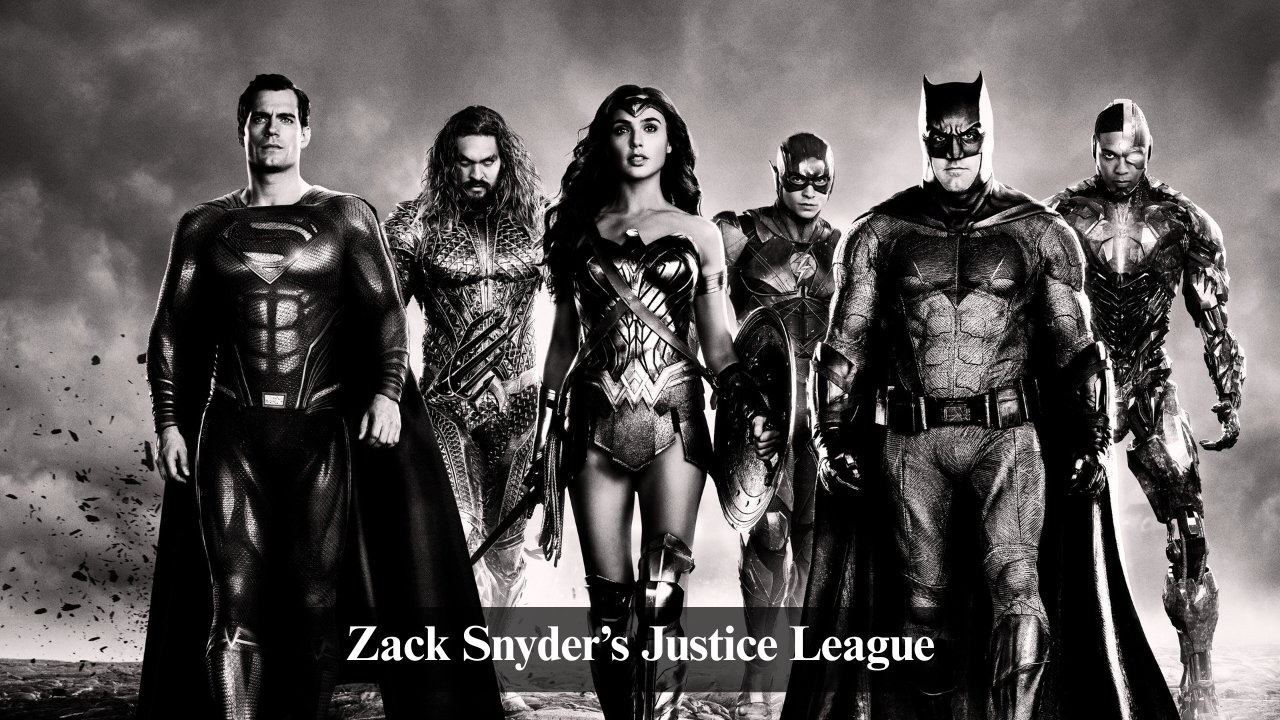
by When Zack Snyder’s Justice League finally arrived in 2021, it wasn’t just a movie release—it was a global cinematic event. Fans around the world had campaigned for years to see Zack Snyder’s true vision after his departure from the original 2017 Justice League Zack Snyder’s Justice League. What we eventually received was more than a “director’s cut.” It was a four-hour epic that gave emotional depth, visual grandeur, and meaning to every hero and every frame.
The movie restored the soul of the DC Extended Universe (DCEU) and reminded the world what happens when storytelling and creativity are allowed to flourish without compromise.
The Story: A World Without Superman
The Zack Snyder’s Justice League opens in the aftermath of Batman v Superman: Dawn of Justice, where Superman’s death sends a shockwave across Earth—literally. His dying scream awakens the ancient power of the Mother Boxes, three cosmic devices capable of reshaping entire worlds. Without Earth’s greatest protector, the planet becomes vulnerable once again.
Enter Steppenwolf, a warrior exiled by his master Darkseid. Seeking redemption, he invades Earth to collect the Mother Boxes and unite them into a catastrophic force called the Unity a power that can terraform worlds into reflections of Apokolips, Darkseid’s hellish home planet.
Realizing the danger, Bruce Wayne (Batman) begins to assemble a team of extraordinary individuals. His mission is clear: unite Earth’s defenders before it’s too late.
The League Assembles
The first half of the Zack Snyder’s Justice League explores each hero’s individual story—something that the theatrical version completely missed.
Bruce Wayne (Ben Affleck) is more determined and emotionally mature than ever. Haunted by his failures and by Superman’s sacrifice, he becomes the glue holding the team together.
Diana Prince / Wonder Woman (Gal Gadot) brings wisdom and strength, stepping in as a warrior who bridges myth and modernity. Her early scenes—especially the terrorist museum sequence—remind us why she’s one of the DCEU’s most compelling heroes.
Arthur Curry / Aquaman (Jason Momoa) is introduced as a reluctant king. His story is raw, showing his conflict between his human roots and Atlantean duty.
Barry Allen / The Flash (Ezra Miller) becomes the Zack Snyder’s Justice League heart and humor. His innocence and optimism provide light in Snyder’s darker world, and his emotional connection to his imprisoned father adds real depth.
Victor Stone / Cyborg (Ray Fisher) finally gets the story he deserves. In Snyder’s version, Cyborg isn’t just a background character—he’s the emotional core of the movie. His relationship with his father, his grief, and his discovery of his own power form the beating heart of this massive tale.
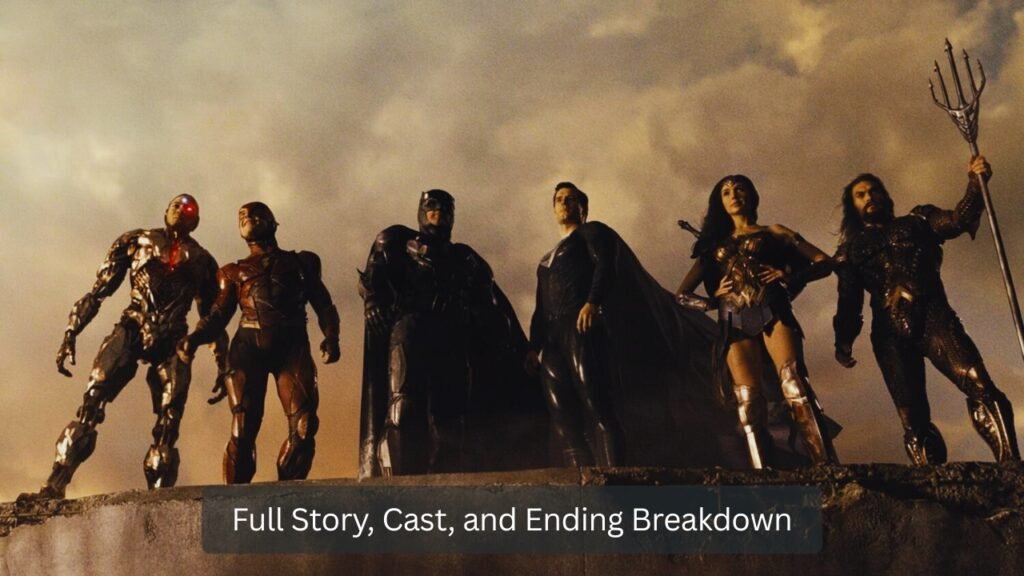
Together, these six heroes form something greater than themselves—the Justice League.
Steppenwolf’s Redemption Arc
One of the biggest differences between the 2017 cut and Snyder’s version is the portrayal of Steppenwolf. In this version, he’s not a flat, one-note villain. He’s a tragic soldier trying to regain Darkseid’s trust after betraying him in the past. His design is far more intimidating, with armor that reacts and moves like a living organism.
You can actually feel Steppenwolf’s desperation and fear when he communicates with Desaad and Darkseid through molten holograms. He’s trying to conquer 50,000 worlds to earn forgiveness. That small emotional layer makes him one of Snyder’s most compelling antagonists.
The Resurrection of Superman
The turning point comes when Batman and the team decide to use one of the Mother Boxes to resurrect Superman (Henry Cavill). The resurrection scene is emotionally charged and visually stunning, especially when a confused Superman faces his former teammates in a brief but intense battle.
Once he regains his memories, Superman’s return becomes the League’s ultimate symbol of hope. Seeing him reunite with Lois Lane (Amy Adams) and later rejoin the fight against Steppenwolf reminds us what makes the Man of Steel so iconic—not just his power, but his humanity.
The Final Battle
The climax takes place in an abandoned Russian city—a beautifully chaotic battleground where the Justice League finally operates as one. Each hero contributes uniquely: Aquaman’s brute force, Wonder Woman’s swordplay, Batman’s tactics, and Cyborg’s ability to interface with the Mother Boxes.
But the real showstopper is The Flash. When the Mother Boxes unite and seem ready to destroy the world, Barry Allen taps into the Speed Force—a moment that defines the entire movie. As time reverses around him, his narration gives goosebumps:
“Make your own future. Make your own past. It’s all right now.”
That sequence alone showcases Zack Snyder’s love for mythic storytelling—heroes who literally bend time and destiny to save humanity.
Ending Explained
After a stunning team effort, the League defeats Steppenwolf. Wonder Woman delivers the final blow, decapitating him as his body is thrown through a portal to Apokolips, landing at Darkseid’s feet. The message is clear: Earth will not fall easily.
But Snyder doesn’t stop there. The epilogue opens new doors:
Bruce Wayne’s Knightmare Vision shows a ruined world under Darkseid’s control.
Superman appears corrupted, serving Darkseid after losing Lois Lane.
Batman’s resistance team includes Mera, Deathstroke, The Flash, Cyborg, and even The Joker (Jared Leto).
Their uneasy alliance sets the stage for what would have been Justice League 2 and 3, exploring the fall and redemption of Superman.
The final scene returns to hope: Bruce awakens from the vision, meets Martian Manhunter, and is told, “The world needs you, Bruce Wayne.” It’s a subtle nod that the fight for Earth—and for justice—never truly ends.
Zack Snyder’s Vision & Legacy
What makes this Zack Snyder’s Justice League extraordinary is how personal it feels. Snyder’s version isn’t about just action; it’s about faith, loss, and unity. The movie flows like a modern myth, divided into six chapters plus an epilogue, each with a unique tone and theme.
Visually, the Zack Snyder’s Justice League 4:3 aspect ratio gives it a graphic-novel feel. The color grading, slow-motion scenes, and operatic soundtrack by Tom Holkenborg (Junkie XL) amplify its emotional impact. Every frame feels handcrafted.
Beyond cinema, Zack Snyder’s Justice League represents something bigger the power of fans. The #ReleaseTheSnyderCut campaign showed how audience voices can influence Hollywood. What began as a dream became reality, proving that passion and persistence can resurrect even the most forgotten vision.
Final Thoughts
Zack Snyder’s Justice League is not just a longer version of a superhero movie—it’s a reimagined masterpiece. It dives deep into its characters’ souls, explores the meaning of sacrifice, and celebrates the hope that binds heroes together.
For four hours, Snyder delivers grandeur, emotion, and purpose—something the original cut never captured. Whether you’re a lifelong DC fan or just love epic storytelling, this movie is a reminder that true justice isn’t about victory—it’s about believing in something greater.
If you enjoy reading about movies, cast stories, and endings—explore more here!