 by
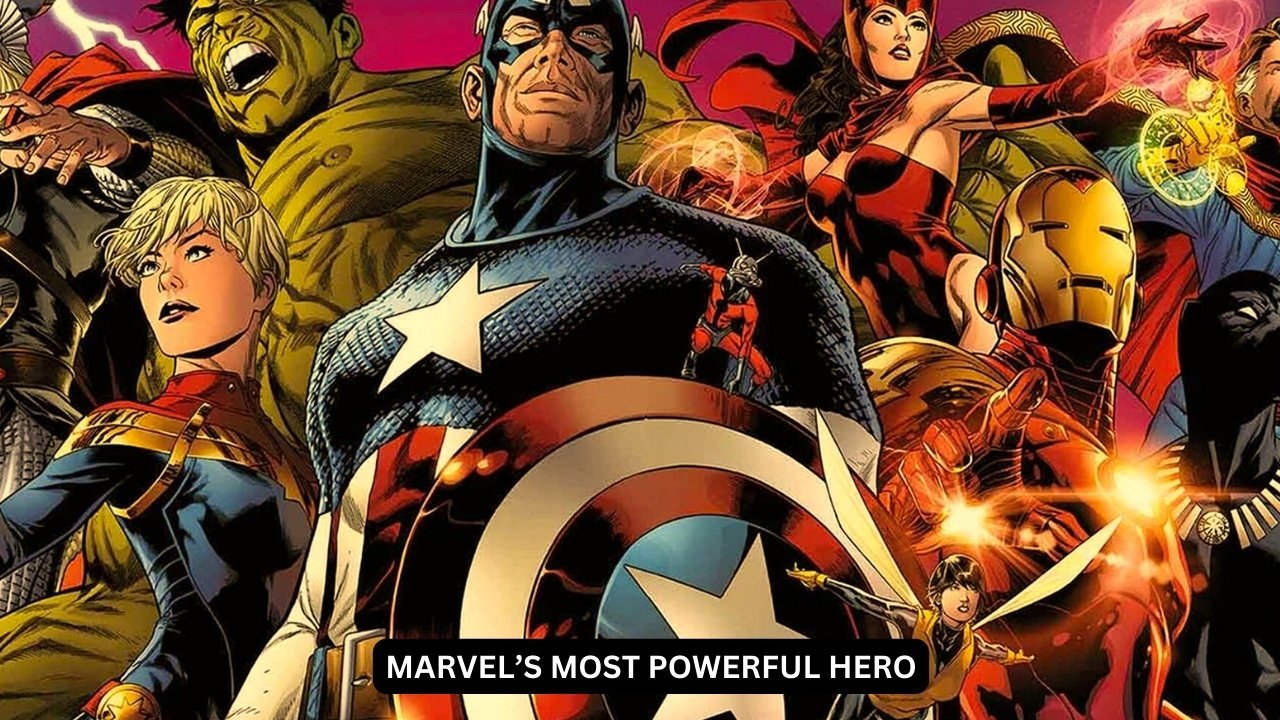
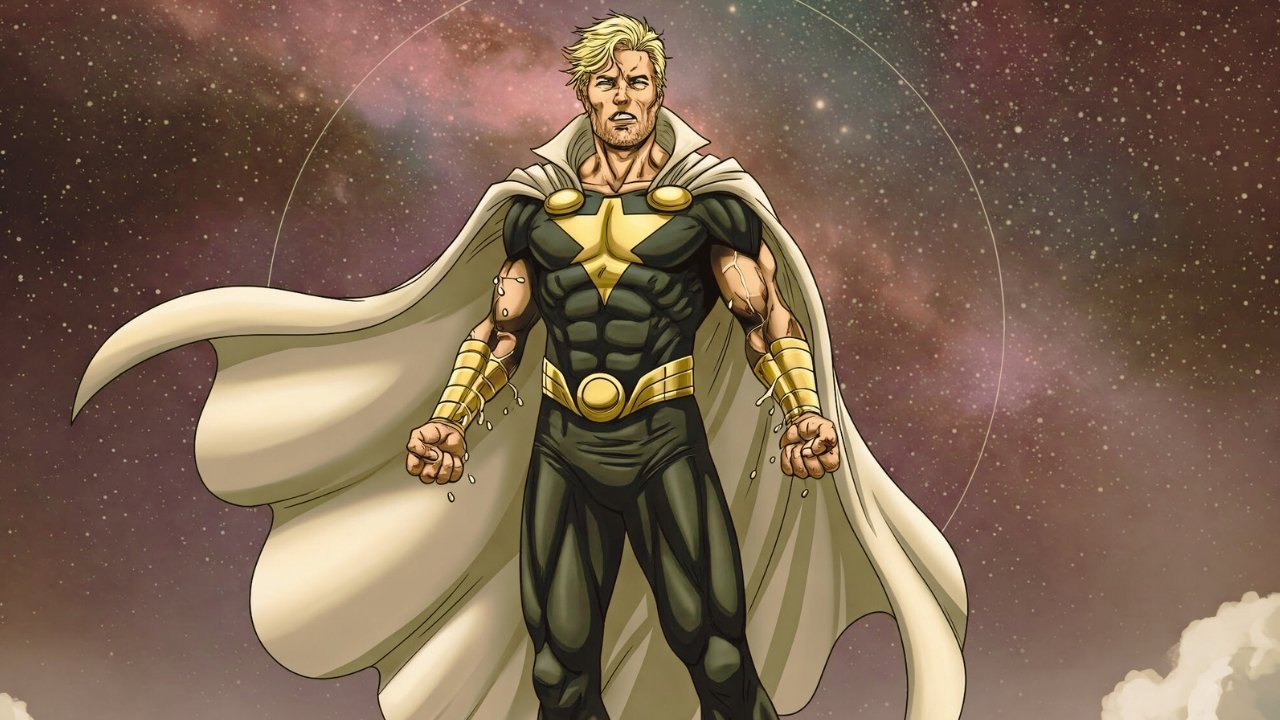
by If you’ve ever wandered deep into the Marvel Universe, past the spotlight-stealing Avengers and cosmic gods, you’ll find a character who quietly outpowers them all—Robert Reynolds, also known as The Sentry. With “the power of a million exploding suns,” he’s arguably Marvel’s most powerful hero, yet he remains one of its most tragic and underexplored characters.
As a 26-year-old lifelong Marvel fan, I’ve seen heroes rise and fall. But Sentry? He stands apart. Not just because of his raw power—but because of his complexity, vulnerability, and the story that Marvel still hasn’t finished telling.
The Birth of a Dark Superhero
Sentry wasn’t your typical superhero when he first appeared in 2000. Created by Paul Jenkins and Jae Lee, he came with an unusual twist. His backstory was presented as if he had always existed in Marvel lore, like a forgotten Silver Age icon. But beneath the gimmick was something deeper—a hero born from pain and darkness.
Robert Reynolds is a man struggling with addiction and mental illness. His worst enemy isn’t Thanos or Galactus—it’s himself. His darker half, The Void, is a living embodiment of his fears, trauma, and self-destruction.
That hit me hard the first time I read it. This wasn’t just another superhuman punch-fest. Sentry was battling depression, identity crises, and the terrifying reality of being too powerful for his own good. He’s the first Marvel hero I saw not just as a character—but as a metaphor.
Paul Jenkins’ Unfinished Vision: A Trilogy Lost in Time
At Dragon Con 2023, Paul Jenkins revealed something that both shocked and excited fans: Sentry’s story was never meant to be finished. It was supposed to be a trilogy.
“The first arc was about a man getting godlike powers. The second was about realizing what it means to have those powers. The third… was about godhood—what happens when someone becomes too powerful for humanity to contain.”
That final chapter was never written. Jenkins was never given the chance.
And that’s why I’m writing this blog—not just as a fan, but as someone who believes stories like Sentry’s matter more now than ever.
The Upcoming Series—and Why It Feels Wrong
Marvel recently announced a new Sentry miniseries. At first, I was thrilled. But then I learned Paul Jenkins isn’t involved.
For those who’ve followed the character from the start, this feels like a betrayal. Every time another writer has taken on Sentry, he’s either been a wildcard in a fight or reduced to chaotic filler. The nuance disappears, and what’s left is just a glowing, godlike figure punching things.
That’s not Sentry.
Sentry is about mental health. He’s about the fear of losing control. He’s about the human cost of ultimate power. No one understands that like Jenkins.
It’s like letting someone else write your autobiography. Sure, they might get the facts right—but they’ll miss the soul.
Why Sentry’s Story Still Matters in 2025
In today’s world, mental health is finally being taken seriously. We’re seeing conversations about anxiety, depression, trauma, and therapy enter mainstream media. But Sentry was already doing that two decades ago.
He isn’t just Marvel’s “Superman with a twist.” He’s a symbol. A man torn between heroism and self-destruction. Between hope and fear. Between light and darkness.
If Jenkins finishes his trilogy, it won’t just be another superhero comic—it will be a modern myth. One that reflects our own struggles, relationships, and inner battles. One that shows strength isn’t about being invincible—it’s about facing your deepest fears.
What I Want from Marvel (And Why You Should Too)
Here’s what I—and many fans—hope Marvel considers:
- Let Paul Jenkins finish the trilogy. No one else understands the character the way he does.
- Make it personal. Forget the flashy team-ups. Let this be a deeply human story about power, identity, and peace.
- Focus on godhood—not glory. The final chapter should explore what it means to transcend humanity—and what’s lost in the process.
- Address the themes that matter today: trauma, healing, loneliness, and redemption.
Final Thoughts: The Unwritten Chapter
The Sentry isn’t just a comic character to me. He’s a symbol of what makes superheroes resonate beyond the panels: vulnerability, complexity, and the search for peace.
Marvel has a rare opportunity here—not just to entertain, but to make a statement. To honor the character’s legacy and finish a story that’s been building for over two decades.
So, Marvel, if you’re listening: Give Jenkins the pen. Let the man who started this journey write its final page.
Because sometimes, the most powerful thing a hero can do… is finally let go.
Your Turn →
Have you followed The Sentry’s story? Do you think Paul Jenkins should finish the trilogy? Or do you want a fresh new take on the character?
Drop your thoughts in the comments below—let’s talk Sentry!