 by
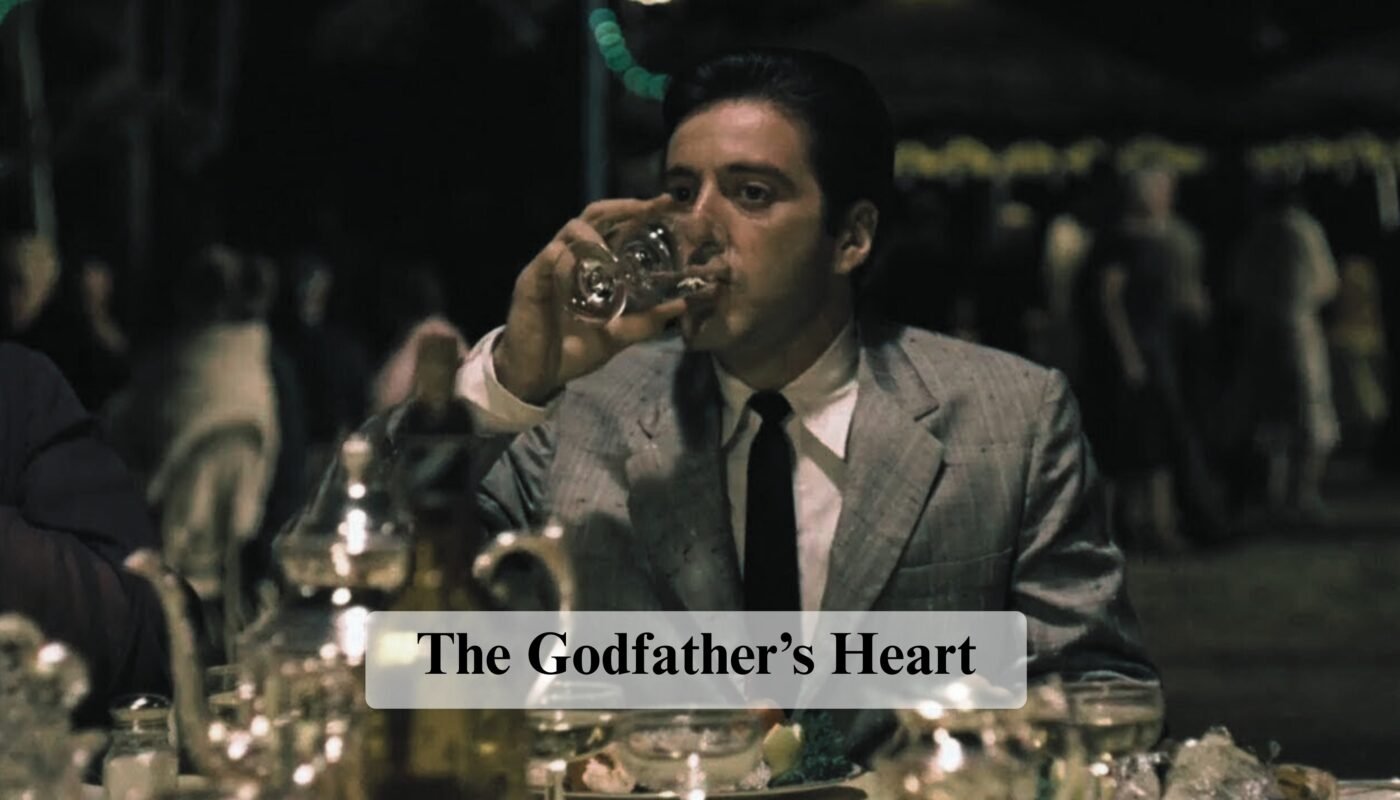
by The first time I watched The Godfather, I didn’t just see a movie — I experienced a world. I’d always heard the praise, read the quotes, and seen the posters, but nothing could prepare me for the way it slowly pulled me in. From the moment the screen lit up and I heard the words “I believe in America”, I knew I was about to witness something far beyond a standard crime drama.
For me, “The Godfather” isn’t just a title — it’s a symbol. It represents a place where blood ties are sacred, loyalty is the currency that keeps everything moving, and betrayal can shatter lives in an instant. Watching it felt like being welcomed into a family’s most private moments, only to discover that behind the warmth and celebration lies a shadowy network of deals, debts, and deadly consequences.
How It Pulled Me In
Before pressing play, I half-expected The Godfather to be a fast-paced, bullet-ridden gangster flick. But it surprised me right away. This wasn’t chaos — it was precision. Every glance between characters, every pause before a line of dialogue, seemed to hold a hidden meaning.
When Don Vito Corleone first appeared — calm, composed, and quietly commanding — I immediately understood why his presence has become legendary in film history. He didn’t need to shout or threaten. His power came from an unshakable confidence and the knowledge that his word carried weight.
The Wedding: More Than Just a Celebration
The opening wedding sequence might be one of the best introductions I’ve ever seen in a movie. On the surface, it’s full of joy — music, dancing, and family. But between the smiles and champagne, the rules of this world start to reveal themselves.
Guests line up to ask the Don for favors, knowing that on his daughter’s wedding day, tradition dictates he cannot refuse. It’s a fascinating balance of celebration and subtle negotiation. The warmth of the gathering hides the calculated exchanges happening behind closed doors. That’s when I realized The Godfather isn’t just telling a story — it’s building an entire ecosystem of relationships, debts, and obligations.
Family Above All
If I had to sum up the core of The Godfather, it would be this: family is everything. But “family” in this context means more than blood. It’s also about the trusted inner circle, the ones who have proven their loyalty through action.
Don Vito isn’t simply a leader of a crime organization — he’s the protector and anchor of everyone around him. In his world, loyalty is non-negotiable, and betrayal isn’t just personal; it’s a threat to the entire structure that keeps them safe.
Michael Corleone’s journey is the perfect example of this. At first, he keeps a comfortable distance from the family’s business, proud of his independence. But when an attack shakes the foundation of their world, that bond of loyalty pulls him into a role he once swore he’d never take. Watching him change from an outsider to a leader was both heartbreaking and fascinating.
Betrayal: The Breaking Point
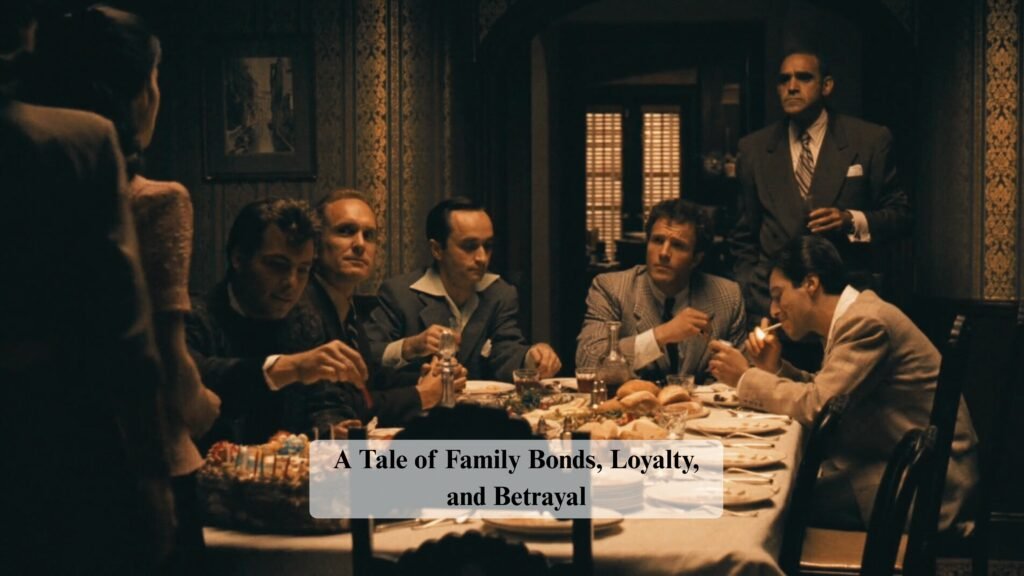
One of the most gripping aspects of The Godfather is how it handles betrayal. It’s never treated lightly, and it’s rarely forgiven. The film makes you feel the weight of broken trust.
There’s a particular moment — one I won’t spoil for first-time viewers — where a betrayal cuts deep. It’s not just a tactical move against the family; it’s an emotional wound that changes everything. And in this world, wounds like that demand an answer.
That’s when the film’s theme of power comes into focus. Power here isn’t about being loud or showy. It’s about quiet certainty. Don Vito doesn’t need to threaten; Michael doesn’t need to raise his voice. Their strength lies in the unshakable knowledge that they will act when pushed.
The American Dream’s Dark Reflection
One reason The Godfather stays relevant decades later is its deeper commentary on the immigrant experience. On paper, this is a story about organized crime. But underneath, it’s about survival in a country that promises opportunity while often closing its doors.
The Corleone family achieves success by making their own rules, refusing to be powerless in a system that wasn’t built for them. But their victories come at a cost — safety bought with blood, prosperity earned through violence. As I watched, I found myself asking: Is this ambition or desperation? Is this the American Dream, or its shadow?
Michael’s Rise
Michael’s transformation is one of cinema’s most fascinating arcs. When we first meet him, he’s separate from the family business — even a little proud of that fact. But circumstances keep pulling him closer, until he finally steps into the role no one expected him to take.
By the final act, the change is complete. The young man who once distanced himself from his father’s world now embodies it entirely. His eyes are harder. His choices are colder. And yet, you understand the logic behind every move he makes. For Michael, every ruthless decision is an act of protection for those he loves.
Why It’s a Masterpiece
From a filmmaking perspective, The Godfather is a lesson in patience and precision. The lighting creates mood without words. The music stays with you, lingering long after the credits. And the pacing allows you to truly inhabit the world, rather than rush through it.
What impressed me most was how much the movie trusts its audience. It doesn’t over-explain. It doesn’t rely on constant action. Instead, it lets you notice the subtleties — the way a hand rests on a shoulder, or how a character lingers in silence before answering.
Why I’ll Watch It Again
When the credits rolled, I didn’t just feel like I’d finished a movie — I felt like I’d lived through a piece of history. The Godfather isn’t just a film about crime. It’s about family, identity, trust, and the sacrifices we make in the name of both love and power.
“The Godfather” might just be a name to some, but for me, it’s now a symbol of storytelling at its highest level. I know I’ll revisit it, and each time, I’ll catch details I missed before — a new line that hits differently, a subtle look that says more than dialogue ever could.
Click here to explore more exciting movie blogs and stories…