 by
by When I first watched The Godfather, I was struck not only by the gripping story but by how deeply the film explored the human experience — the complex interplay of religion, guilt, and redemption amidst a brutal world of power and crime. This isn’t just a gangster movie. It’s a profound reflection on what it means to be human, the cost of power, and how moral decay creeps into even the strongest families.
In this blog, I want to share my thoughts on how The Godfather’s dives into religion and guilt, the moral struggles of Michael and Vito Corleone, and the tragic life of Fredo — all woven into a rich tapestry of redemption and loss. If you’re a fan of this classic or just curious about its deeper layers, read on. I promise it will give you a fresh perspective on one of cinema’s greatest masterpieces.
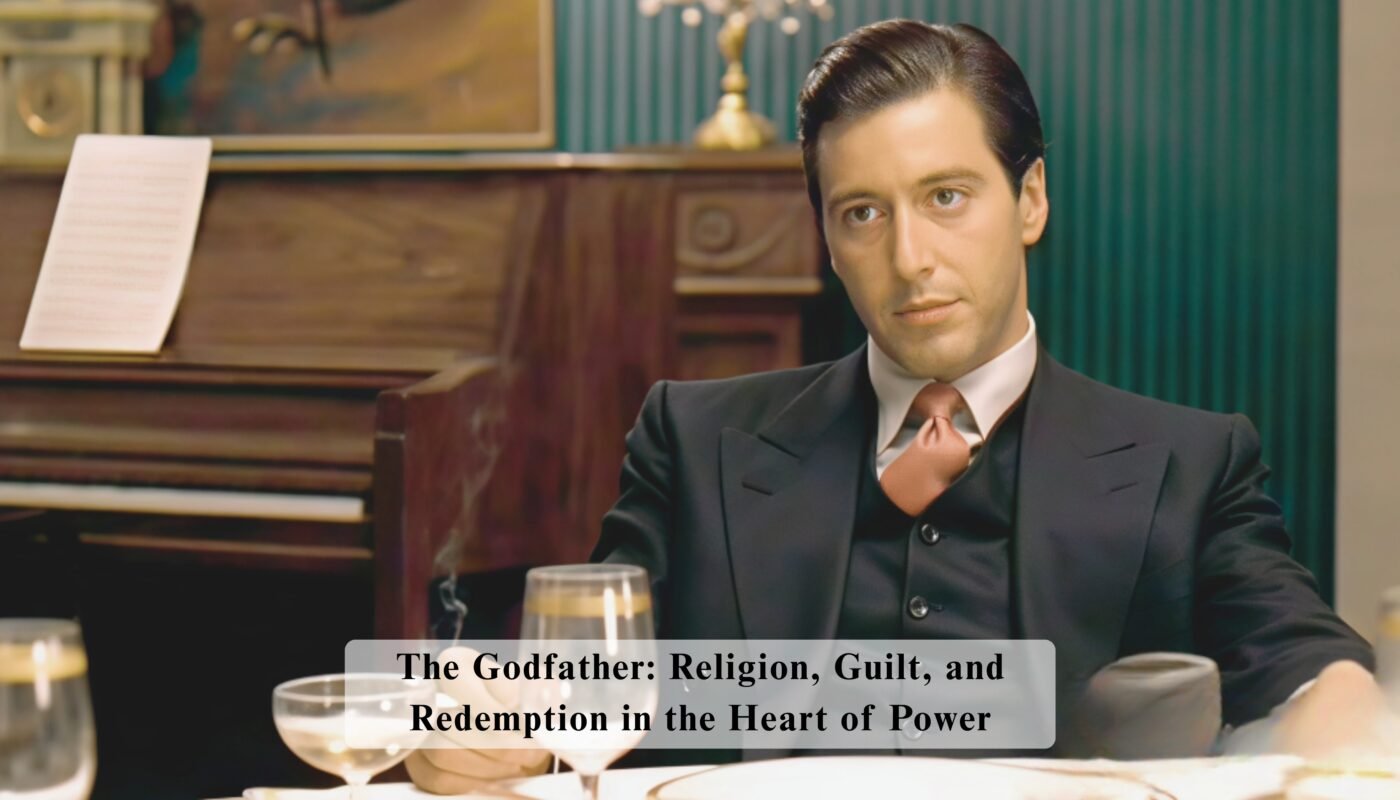
The Godfather: Religion, Guilt, and Redemption in the Heart of Power
From the opening wedding scene to the haunting final moments, The Godfather’s is steeped in symbolism and themes that go beyond mafia violence. One of the most powerful undercurrents is religion in The Godfather’s — Catholicism’s shadow is everywhere, from the frequent church scenes to Michael’s baptism sequence, which beautifully contrasts sacred ritual with acts of cold-blooded violence.
This religious backdrop is not just window dressing. It frames the entire story in terms of guilt in The Godfather and the possibility — or impossibility — of redemption in The Godfather. Michael Corleone, the reluctant heir, embodies this struggle. He begins the saga as a war hero who wants nothing to do with the family business but is drawn inexorably into a world where moral lines blur.
Religion in The Godfather: A Powerful Backdrop
Watching The Godfather movie, you notice how religion is used to highlight contradictions. The Corleones attend church, make the sign of the cross, and hold baptisms, but these moments coincide with betrayals, murders, and power plays. This clash shows how faith and crime coexist in the world of organized crime, creating a tension that runs throughout the film.
Michael’s famous baptism scene is the perfect example — as he becomes godfather to his nephew, his men are simultaneously assassinating rival gang leaders. The sacred ritual and ruthless violence happen side by side, forcing viewers to question how guilt and sin are reconciled in such a life.
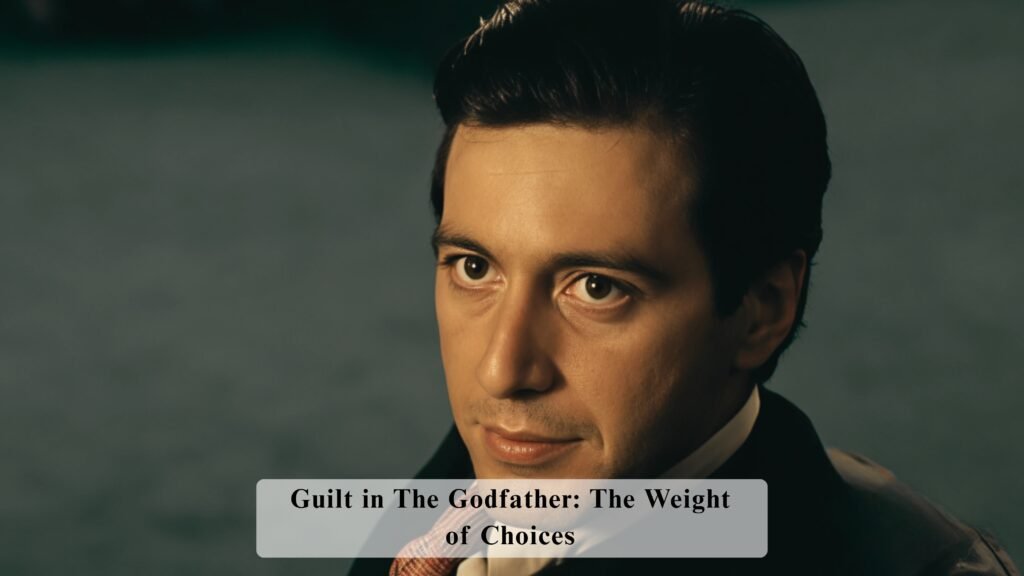
Guilt in The Godfather: The Weight of Choices
One of the things that hit me deeply in The Godfather is the sense of guilt in The Godfather’s that haunts its characters, especially Michael. Unlike his father, Vito Corleone, who seemed more pragmatic and grounded, Michael carries a heavy burden. His decisions slowly isolate him from his family and his own conscience.
The movie shows that power doesn’t come without a price — guilt in The Godfather’s is a constant companion for those who seek control. Michael’s transformation from idealistic outsider to ruthless mafia boss is a journey marked by painful sacrifices and a growing inability to escape the sins he commits.
Redemption in The Godfather: Is It Possible?
Despite the darkness, there are glimpses of hope through the theme of redemption in The Godfather. The characters long for peace and forgiveness, but the world they inhabit offers little room for true redemption. Michael’s efforts to legitimize the family business hint at a desire for change, but his past actions continually pull him back into the shadows.
The struggle for redemption in The Godfather’s is both personal and symbolic — it’s about trying to cleanse oneself from the moral decay that power brings. But the film leaves us wondering if redemption is ever fully achievable when one is deeply entangled in crime and betrayal.
The Cost of Power: Moral Decay in The Godfather
The theme of moral decay is central to The Godfather movie. Power corrupts, and the film shows this through the gradual unraveling of family values and ethics. Vito Corleone represents the old world — a mix of honor, tradition, and crime with rules. But with Michael, that code breaks down, replaced by paranoia, violence, and a cold pursuit of power.
As Michael ascends, you see how power in erodes his humanity. The decisions he makes are less about family loyalty and more about eliminating threats. This moral decay doesn’t just affect Michael; it spreads to the entire family, symbolizing how unchecked power can destroy everything it touches.
Michael vs. Vito Corleone: Two Paths to Power
One of the most compelling contrasts in The Godfather is between Michael and Vito Corleone. Vito is the patriarch who builds the family empire with careful respect for tradition and community ties. His power, though criminal, feels grounded in a sense of justice and loyalty.
Michael, however, represents a new generation — cold, strategic, and unyielding. His rise shows a different kind of power in — one that is less about respect and more about fear and control. This generational conflict adds a rich layer to the movie’s exploration of leadership and morality.
The Tragic Life of Fredo Corleone: Weakness Among Wolves
Fredo Corleone is a character I find deeply tragic. In a world of strength and ruthlessness, Fredo’s weakness becomes his downfall. The film portrays him as vulnerable, craving respect and recognition, but ultimately unable to protect himself or his family.
Fredo’s story highlights the brutal reality of power in The Godfather — there is no room for weakness. His betrayal and death remind us how the pursuit of power can destroy even blood ties. It’s a heartbreaking reminder that in this world, survival means hard choices, and forgiveness is rare.
Why The Godfather Still Resonates Today
After watching The Godfather movie multiple times, I realize it’s more than just a story about the mafia. It’s a timeless tale about family, faith, guilt, and the human struggle for meaning in a corrupt world. The themes of religion ,guilt, and redemption in The Godfather make it a deeply human story, despite the violence.
Every character represents a different path — Vito’s traditional power, Michael’s ruthless control, Fredo’s tragic vulnerability — and through them, we see how the pursuit of power can both build and destroy. The moral decay at the heart of the story feels relevant even in today’s world, where ambition often clashes with ethics.
Final Thoughts: The Godfather as a Human Drama
In conclusion, The Godfather is a masterpiece because it captures the complexity of human nature. The tension between religion, guilt, and redemption plays out against a backdrop of crime and power, making it much more than a gangster film. It’s a meditation on what it means to be human — flawed, ambitious, and forever seeking forgiveness.
If you haven’t watched The Godfather movie or haven’t looked deeply at its themes, I encourage you to revisit it. Notice how religion and guilt shape the characters, how power comes at a cost, and how redemption — though elusive — remains a powerful force throughout the story.
Thanks for reading my thoughts on this movie . I hope this gives you a new lens to appreciate one of the greatest films ever made.