 by
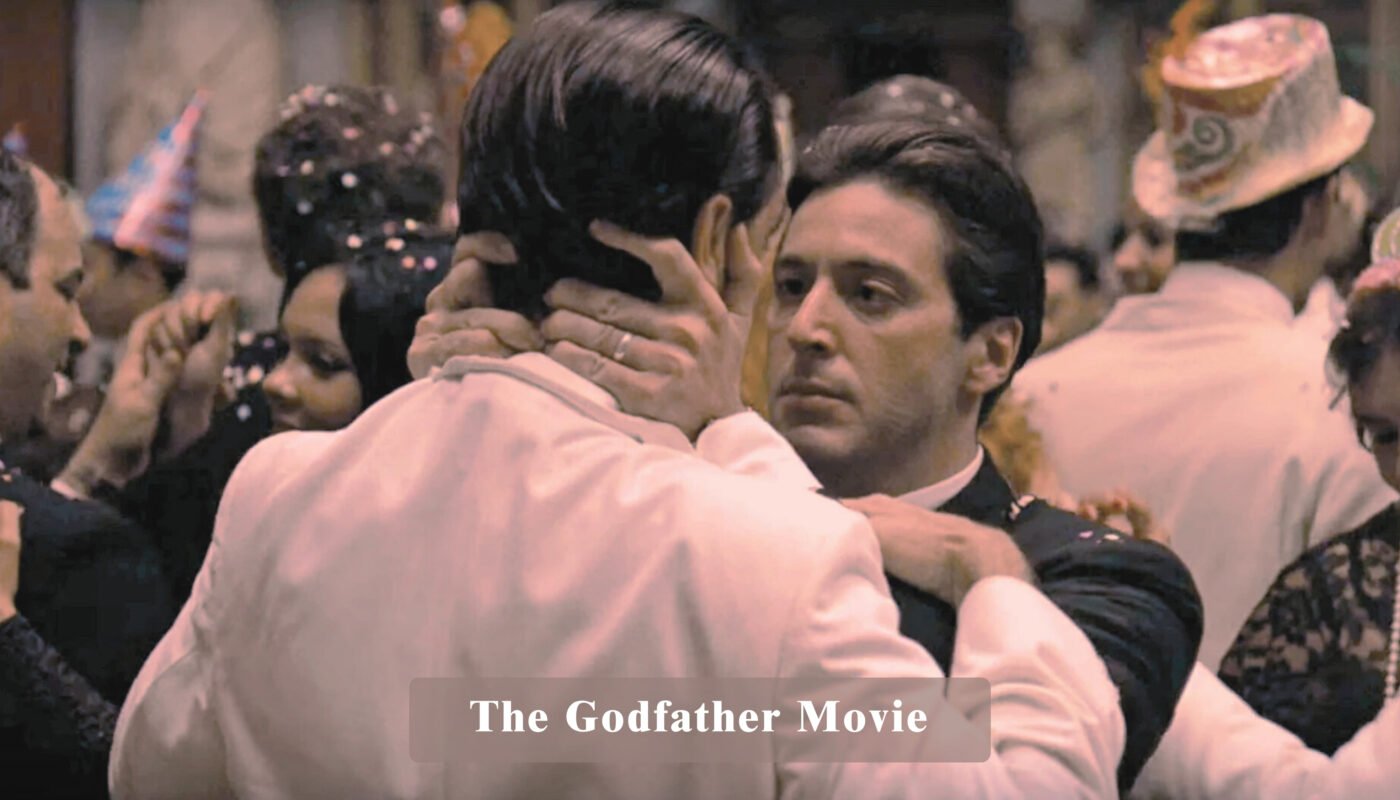
by The first time I watched The Godfather movie, I wasn’t just expecting a film — I was expecting an experience.
And yet, it still surprised me. This wasn’t simply a crime drama about mob wars and gangland politics. It was a multi-layered family saga, one that pulled me into the Corleone world so completely that by the end of the trilogy, I felt like I had been living in their home, sitting at their tables, and witnessing their private victories and disasters.
The Godfather movie is more than the sum of its scenes. Sure, it’s filled with tense negotiations, cold-blooded decisions, and power struggles — but underneath all that, it’s a story about fathers and sons, about loyalty bought and broken, about the painful cost of chasing a dream in a country that both welcomes and rejects you.
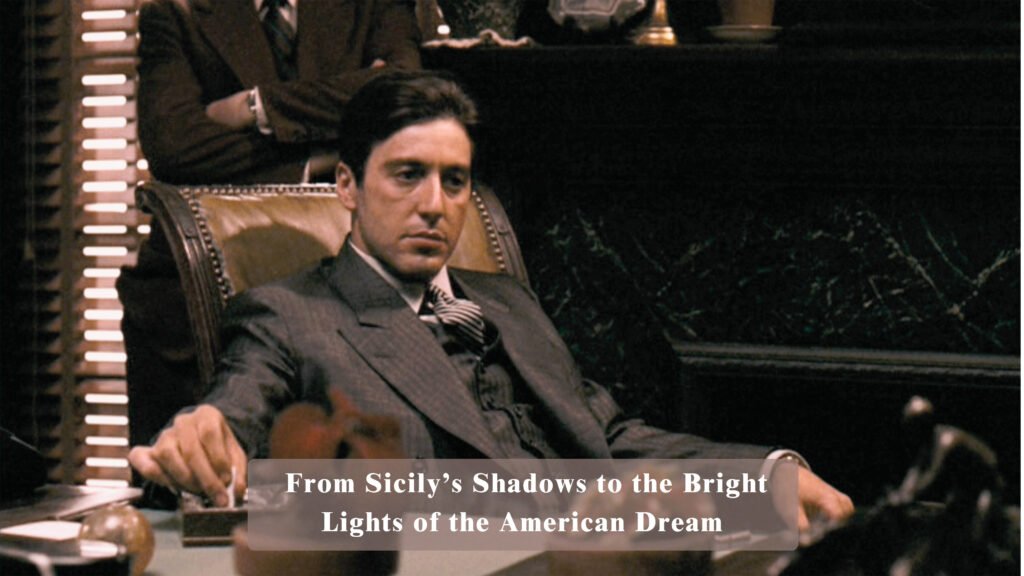
From Sicily to the American Dream
The story begins far from the bustling streets of New York — in the rugged hills of Sicily. In the opening chapters of this family’s legacy, the island is more than a setting; it’s the soul of everything the Corleones become. Watching the early moments of The Godfather movie, I could almost taste the dust on the roads and hear the distant ringing of church bells, a reminder of a life bound by tradition, honor, and old wounds.
Vito Andolini — who would later be known as Vito Corleone — doesn’t step onto American soil as a powerful Don. He arrives as a frightened boy, fleeing the blood feud that destroyed his family. That part of the movie hit me hardest, because it strips away the myth of the all-powerful mob boss. Before the tailored suits and hushed meetings, there was just a boy searching for safety.
By the time Vito rises to power, it’s clear his empire isn’t built just for greed. It’s a shield — a way to ensure that no one in his family will ever feel powerless the way he once did. But the American Dream the Corleones chase is nothing like the glossy version in history books. In The Godfather movie, that dream is paid for in favors, blood, and quiet acts of vengeance.
The Corleone Family’s Reign
One of the most striking things about The Godfather movie is how it shows the family’s climb from struggling immigrants to one of the most feared powers in America. It’s not an overnight rise — it’s a careful, calculated build, always mixing business with family obligations.
Vito Corleone’s leadership is fascinating to watch. He never shouts to assert authority. Instead, his voice is low, his words deliberate, each phrase a chess move. In many ways, the silences in The Godfather movie speak louder than the dialogue. The room seems to shift when he speaks, not because he’s loud, but because everyone knows he has already considered every possible outcome.
When Vito’s health begins to fail, the mantle passes to Michael. The shift is jarring, almost like the temperature in the room drops. Michael doesn’t step into the role because he wants it — he steps in because circumstances demand it. But from that moment, everything changes.
Michael Corleone: From Outsider to Don
At the start of The Godfather movie, Michael is the golden son — college-educated, a war hero, seemingly destined for a life outside the family’s criminal empire. But the beauty of his arc is in how fate and necessity twist that path. What begins as loyalty and protection soon hardens into a quiet ruthlessness.
The change isn’t sudden. It’s a slow, creeping transformation. He tells Kay early on that he’s not like his father. But as betrayal closes in — and violence becomes the only language his enemies understand — Michael begins making decisions that look a lot like Vito’s… only colder.
The brilliance of The Godfather movie is that it never paints Michael’s evolution in black and white. We’re left asking ourselves whether he became this way because he wanted power, or because power was the only way to protect the people he loved.
The Final Chapter: Michael’s Downfall
By the time we arrive at The Godfather Part III, Michael is a man trying to step out of the shadows. He’s older, quieter, and — at least on the surface — determined to make the family business legitimate. But the past is a chain you can’t easily break, and The Godfather movie reminds us that the sins we commit, even in the name of protection, will eventually circle back.
This final act is less about empire-building and more about reckoning. Michael is surrounded by luxury and influence, yet he is painfully alone. Every decision made to keep his family safe has cost him pieces of himself. And then comes that unforgettable scene — the moment Mary dies in his arms. His silent scream isn’t just grief over a daughter; it’s the sound of a man realizing that all his power couldn’t protect the one thing that mattered most.
Family, Loyalty, and Betrayal
If there’s a heartbeat in The Godfather movie, it’s made of three pulses: family, loyalty, and betrayal. Everything revolves around them. Loyalty keeps the Corleones strong, but betrayal is always lurking — sometimes from rivals, sometimes from their own blood.
Loyalty here isn’t blind devotion. It’s earned, maintained, and always under scrutiny. You’re part of the family because you uphold its security. The moment you threaten it, you’re cut off. In The Godfather movie, that usually means more than losing Sunday dinner invitations — it often means losing your life.
Betrayal, on the other hand, lands like a knife in the back because it comes from someone trusted. Fredo’s disloyalty, for instance, isn’t just a tactical mistake — it’s a deep emotional wound that shapes Michael’s choices forever.
Why It Stayed With Me
When I finished the trilogy, I didn’t feel like I’d just watched three movies. I felt like I had lived through decades with this family. The Godfather movie didn’t simply tell me a story; it made me think about my own ideas of success, morality, and what we sacrifice to protect the people we love.
Even now, I wonder — was Michael truly wrong to take over? Would the family have survived without him? Or did his attempt to “protect” them ultimately destroy them?
Why The Godfather Movie Endures
Decades later, The Godfather movie still feels alive. Its themes of ambition, loyalty, and the heavy cost of power are timeless. The Corleones’ struggles are exaggerated for drama, but the bones of their story — chasing dreams, protecting family, paying for our mistakes — are universal.
It’s not just a film about the mafia. It’s a mirror, showing us how power changes people, how family can both save and ruin us, and how the line between right and wrong blurs when survival is at stake.