 by
by Gotham City has always been a battleground of power, crime, and morality. Beneath the towering skyscrapers and shadowed alleys lies a city teetering between chaos and justice. At the heart of this struggle stands The Dark Knight, a figure shrouded in mystery, fear, and unwavering determination. Batman, the vigilante protector of Gotham, navigates a city riddled with corruption, mobsters, and unpredictable villains, all while maintaining a moral code that tests the limits of justice.
This post delves deep into Gotham’s underworld, the power struggles of its mobsters, the moral dilemmas faced by Batman, and the symbolism that defines hope, fear, and chaos in the city.
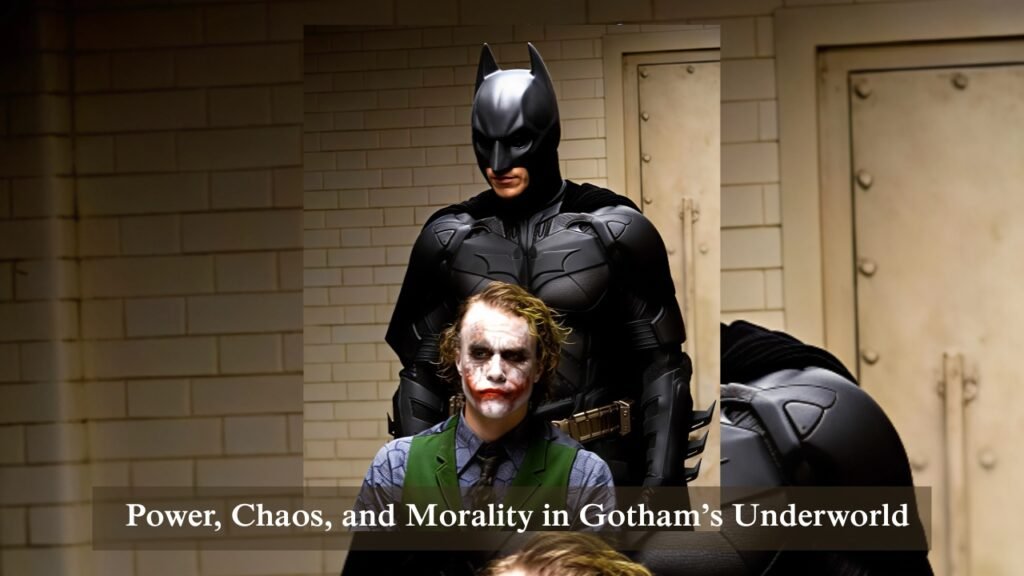
The Mob vs. Batman: Power Struggles in Gotham’s Underworld
Gotham Before the Dark Knight
Before Batman emerged, Gotham’s criminal underworld was a highly structured and dangerous environment. Powerful mob families controlled the city’s politics, economy, and law enforcement through intimidation, bribery, and strategic violence. The streets belonged to organized crime, and citizens lived in constant fear.
The Hierarchy of Gotham’s Mobsters
The criminal ecosystem was meticulously organized. Mob bosses maintained territories, each protected by loyal henchmen. They controlled gambling, illegal trade, and political corruption, creating a network of influence that seemed unbreakable.
Batman’s Arrival: Fear in the Shadows
The emergence of The Dark Knight disrupted this established order. Batman’s intelligence, technology, and combat skills allowed him to challenge the mob’s control without stepping into the realm of law enforcement. His presence instilled fear, undermining the confidence of Gotham’s criminals and forcing them to rethink their dominance.
Joker: Chaos Over Power
Unlike mobsters seeking wealth and control, Joker’s goal was anarchy. His unpredictability and sadistic games destabilized Gotham’s fragile balance between crime and law. Batman had to contend with a villain who did not play by the rules, forcing him to confront challenges beyond physical combat.
Power Struggle: Strategy vs. Chaos
The battle for Gotham became both physical and psychological. The mob’s predictable fear tactics clashed with Joker’s chaos, while Batman navigated between enforcing justice and protecting the innocent. The Dark Knight’s role was not only to fight crime but to maintain a moral compass amid escalating chaos.
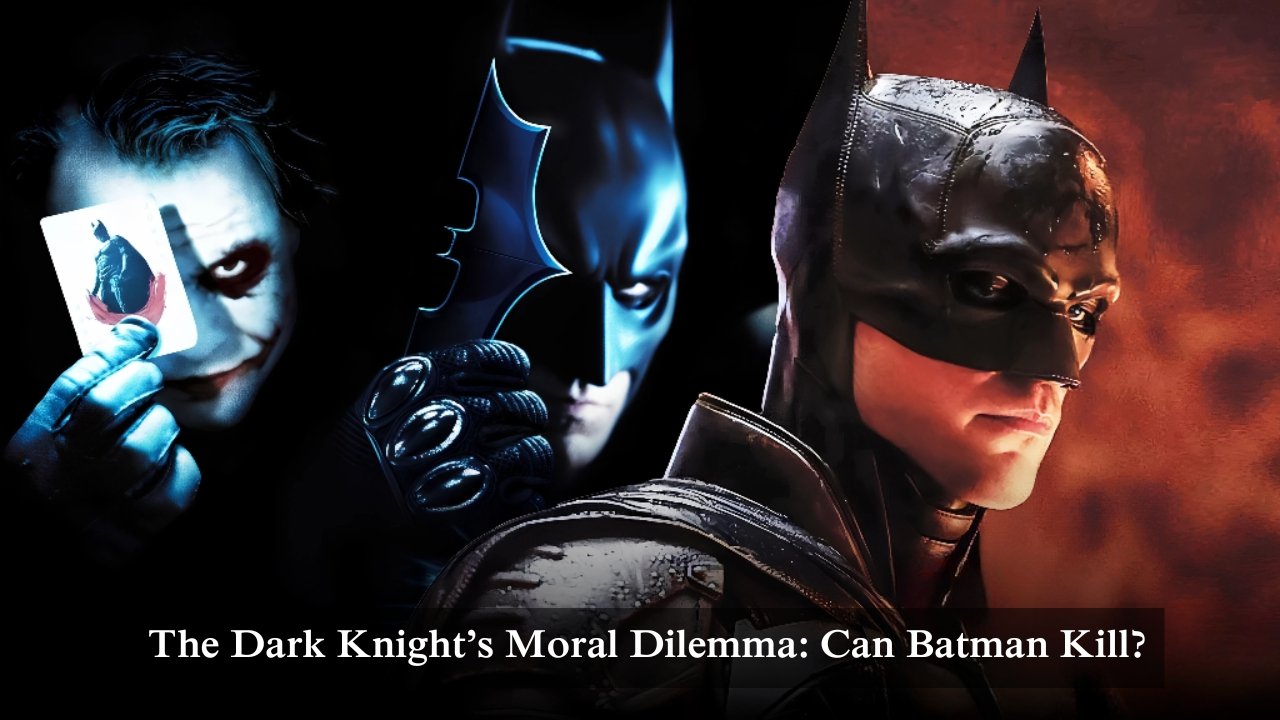
The Dark Knight’s Moral Dilemma: Can Batman Kill?
The No-Kill Rule
A defining trait of Batman is his refusal to take life. His moral code separates him from the criminals he fights, but Gotham consistently tests this principle.
Ethical Dilemmas Against Joker
Joker’s methods are designed to push Batman into moral impossibilities. Hostages, bomb threats, and manipulative schemes challenge the hero to act decisively without compromising his code.
The Impact on Gotham and Its Citizens
Batman’s restraint extends beyond personal morality; it affects how Gotham perceives justice. His ethical stance inspires hope and demonstrates that justice is possible without resorting to killing.
Internal Conflict: Hero vs. Vigilante
Every encounter with Joker forces Batman to confront the internal struggle between vengeance and justice. His choices shape not only Gotham’s safety but his identity as The Dark Knight, a symbol of principled heroism.
The Philosophy of Batman
Batman’s dilemmas highlight a key philosophical question: can justice be achieved in a city that constantly pushes the limits of morality? The Dark Knight embodies the answer—courage, intelligence, and restraint are as crucial as physical strength in maintaining order.
Symbols of Hope and Fear: The Meaning Behind The Dark Knight
Batman as Fear
Batman uses fear strategically, striking terror into criminals while maintaining hope for the innocent. His persona represents consequences for wrongdoing and acts as a deterrent against crime.
Harvey Dent as Hope
Harvey Dent, Gotham’s “White Knight,” symbolizes hope and the possibility of lawful justice. His presence reinforces the idea that morality and law can coexist, even amid corruption.
Joker as Chaos
Joker embodies chaos, unpredictability, and moral anarchy. His opposition to both Batman and Harvey highlights the fragile equilibrium between order and disorder in Gotham.
The Interplay of Symbols
The Dark Knight’s fear, Harvey’s hope, and Joker’s chaos interact dynamically, creating a moral and psychological ecosystem. Citizens, criminals, and vigilantes all respond to these symbols, shaping the social fabric of Gotham.
Psychological Depth in Gotham
Beyond physical battles, the story of Gotham explores deep psychological themes. Fear, hope, and chaos are not just symbolic—they directly influence behavior, decision-making, and the city’s evolution.
Legacy of The Dark Knight
Through these symbols, Batman transcends the role of a vigilante. He becomes a legend, inspiring others while challenging the ethical boundaries of heroism. The Dark Knight’s legacy lies in his ability to navigate the delicate balance between fear and hope, order and chaos.
Conclusion: The Eternal Struggle in Gotham
Gotham City remains a complex battleground of power, morality, and chaos. The city’s history with mobsters illustrates how organized crime thrives in the absence of justice. The arrival of Joker challenged both the criminal hierarchy and Batman’s ethical principles, testing the limits of heroism.
The Dark Knight is more than a protector; he is a symbol—fear to criminals, hope to citizens, and a moral compass in a city plagued by disorder. Through strategic action, ethical restraint, and psychological insight, Batman maintains a fragile equilibrium, demonstrating that courage and morality can prevail even in the darkest circumstances. Gotham’s story reminds us that justice is never simple, but with the right balance of fear, hope, and resolve, it can endure.
For more movie insights, read our full blog collection here….