 by
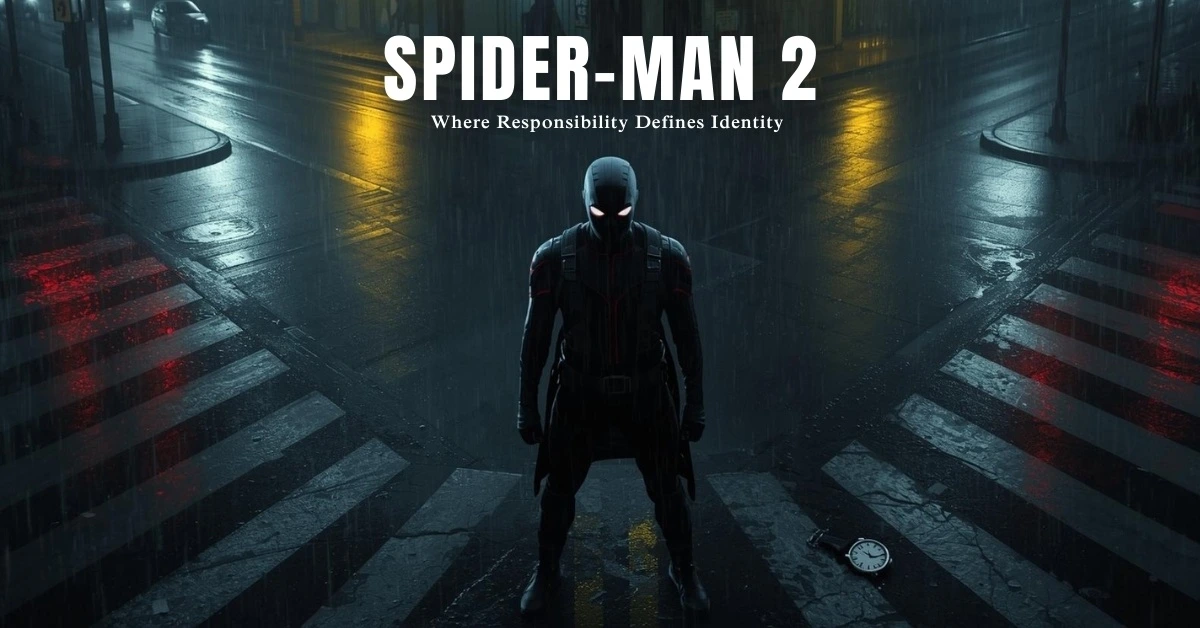
by When I revisited Spider-Man 2, I wasn’t just watching a superhero sequel. I was observing how a mainstream comic book film could feel deeply human without losing its blockbuster energy. What stood out to me most was how strongly the theme of Spider-Man 2 Responsibility and Identity shapes every emotional decision in the film.
Before rewatching it, I had certain expectations. Superhero sequels often raise the stakes with bigger action and louder villains. And yes, the film delivers on spectacle. But what I mentally prepared for — and what I ultimately appreciated — was how it slows down at key moments. It allows space for conflict that isn’t about explosions or danger, but about personal sacrifice and internal doubt.
The Weight of Responsibility Feels Real
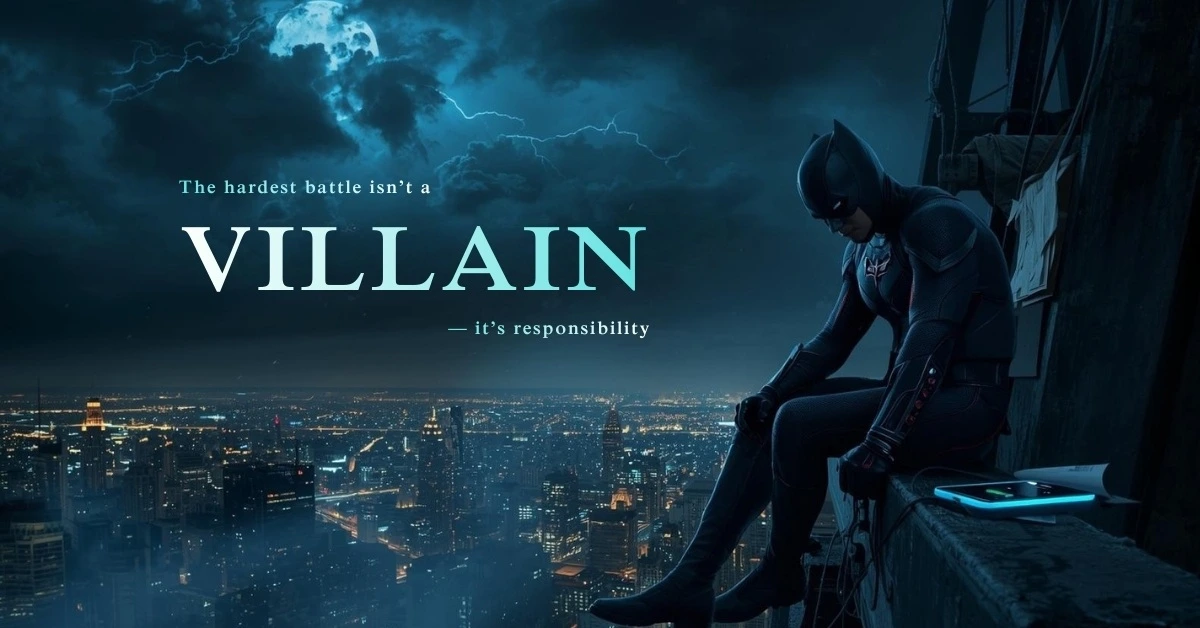
While watching, I kept thinking about how heavy Peter Parker’s life feels. Not dramatically exaggerated, but realistically overwhelming. The movie doesn’t glamorize being a hero. Instead, it shows how responsibility can quietly exhaust someone.
The theme of Spider-Man 2 Responsibility and Identity becomes most powerful in scenes where Peter questions whether he even wants to continue being Spider-Man. I found myself relating to that hesitation. It’s not weakness — it’s human fatigue. The pressure of always having to show up, always being needed, can drain anyone.
As a viewer, I appreciated that the film doesn’t frame responsibility as purely noble. It shows the cost. And that’s what makes the message stronger. Responsibility isn’t heroic because it’s easy; it’s heroic because it demands sacrifice.
Identity Conflict Beyond the Mask
One of the most compelling aspects for me was how identity isn’t treated as just a secret-identity trope. It becomes psychological. Peter’s struggle isn’t simply about hiding who he is — it’s about not knowing who he is anymore.
While watching, I kept asking myself: If Peter stopped being Spider-Man entirely, would he finally feel free? Or would he feel empty? That tension drives the emotional core of the film.
The theme of Spider-Man 2 Responsibility and Identity deepens when Peter temporarily steps away from being a hero. The quietness of those scenes struck me. They didn’t feel triumphant. They felt uncertain. It made me realize that identity isn’t something you can just remove like a costume. Even if the suit is gone, the calling remains.
That internal struggle felt more powerful than any action sequence.
Doctor Octopus as a Reflection
The presence of Doctor Octopus adds another layer of meaning. I didn’t just see him as a villain causing destruction. I saw him as a contrast to Peter — someone who also believed in purpose, intelligence, and progress, but whose ambition overtook his responsibility.
From an analytical point of view, he represents what happens when identity becomes consumed by ego rather than guided by conscience. Watching his transformation made me reflect on how thin the line is between passion and obsession.
Without him, the theme of Spider-Man 2 Responsibility and Identity wouldn’t feel as complete. His character amplifies the idea that responsibility isn’t just about having power — it’s about controlling it.
If this character had not been in the movie, the emotional mirror effect would have been weaker. Peter’s struggle feels sharper because we see someone else fail where he tries to succeed.
Emotional Realism Over Spectacle
Directed by Sam Raimi, the film balances large-scale action with intimate emotion. While watching, I noticed how certain scenes linger longer than typical superhero pacing would allow. Conversations matter. Silences matter.
There’s a specific train sequence that many fans admire for its action choreography. But what stayed with me wasn’t just the visual intensity — it was the aftermath. The vulnerability. The way ordinary people respond to Spider-Man not as a symbol, but as a person.
That moment reinforces Spider-Man 2 Responsibility and Identity in a subtle but powerful way. It shows that responsibility doesn’t exist in isolation. It connects to community. And identity isn’t built alone — it’s shaped by how others see you.
Performance That Feels Grounded
Tobey Maguire delivers a portrayal that feels understated rather than flashy. While watching, I realized how important that choice was. His version of Peter Parker isn’t overly confident or charismatic. He feels awkward, burdened, and sometimes lost.
That vulnerability strengthens the theme of Spider-Man 2 Responsibility and Identity. If Peter had been portrayed as naturally heroic or emotionally invincible, the internal struggle wouldn’t resonate as deeply.
Instead, his hesitation makes his decisions meaningful. When he chooses responsibility, it feels earned — not automatic.
The Psychological Cost of Being Needed
One thought that stayed with me throughout the movie was this: What happens when the world constantly needs you, but you don’t have time to need yourself?
The film quietly explores that imbalance. Watching Peter miss personal milestones, disappoint loved ones, and struggle financially made the superhero narrative feel grounded. It reminded me that identity isn’t just about what we do publicly — it’s also about what we sacrifice privately.
In that sense, Spider-Man 2 Responsibility and Identity becomes more than a theme. It becomes a commentary on adulthood. On growing up. On realizing that every choice has consequences.
I found myself reflecting on how many people carry responsibilities that define them — jobs, families, expectations — and how easily identity can get lost in that process.
The Tone of the Film
Unlike many modern superhero films that rely heavily on constant humor, Spider-Man 2 maintains a more sincere tone. While watching, I noticed how emotionally direct it feels. It doesn’t hide behind irony.
That sincerity might feel old-fashioned today, but it’s also what gives the movie its staying power. The theme of Spider-Man 2 Responsibility and Identity works because the film treats it seriously. It doesn’t undercut its own message with excessive jokes or distractions.
The balance between drama and heroism feels intentional.
Trailer Expectations vs. Final Experience
If I think back to watching the trailer for the first time, I remember expecting a larger-scale superhero conflict. The mechanical arms. The city in danger. The dramatic stakes.
But while watching the full movie, I realized the real conflict wasn’t external — it was internal. The marketing hinted at spectacle, but the emotional journey surprised me more.
That contrast made the experience stronger. It reminded me that sometimes what draws us in visually isn’t what stays with us emotionally.
Why It Still Feels Relevant
Years after its release, Spider-Man 2 continues to be discussed as one of the strongest superhero sequels. And I believe that’s because the core theme of Spider-Man 2 Responsibility and Identity is timeless.
Technology changes. Visual effects improve. Franchises expand. But the question of who we are versus what we owe the world remains constant.
Watching it today doesn’t feel outdated. It feels reflective.
If you enjoy reading this Spider-Man 2, you can explore more film analysis on our website.
Final Thoughts
As a viewer, what I value most about this film is not its action sequences or its villain design — though both are strong. It’s the emotional honesty. The willingness to show a hero struggling not just against enemies, but against himself.
Spider-Man 2 Responsibility and Identity isn’t just a theme repeated in dialogue. It’s embedded in every major decision Peter makes. And that’s what elevates the film beyond standard superhero entertainment.
When the credits rolled, I didn’t just think about the battles. I thought about the choices. The sacrifices. The quiet moments of doubt.
That’s why this movie still feels powerful.
It reminds us that being a hero isn’t about power — it’s about carrying responsibility without losing yourself in the process.