 by
by Cinema has a unique power—it captures history, evokes emotions, and teaches lessons that books sometimes cannot. One such monumental piece of cinema is Schindlers List, a film that chronicles the extraordinary life of Oskar Schindler, a German industrialist who saved over a thousand Jewish lives during the Holocaust. In this article, we will explore the depth of the film, the historical events behind it, the real-life heroism, and the timeless lessons it imparts.
The Historical Context of Schindler’s List
To truly appreciate Schindlers List, one must understand the world it depicts. The Holocaust, a period of systematic genocide by Nazi Germany from 1941 to 1945, led to the deaths of six million Jews and millions of other marginalized groups. Cities and towns across Europe were engulfed in fear, with families torn apart, communities decimated, and a dark shadow cast over humanity.
Amidst this horror, Oskar Schindler emerged as an unlikely hero. Initially motivated by profit, he gradually transformed into a protector of life, using his factory as a sanctuary. Schindlers List portrays not just the atrocities, but also the resilience of the human spirit and the capacity for moral courage even in the darkest times.
Oskar Schindler: From Businessman to Hero
Oskar Schindler’s journey is both inspiring and complex. Born in 1908 in Moravia, he was a charming, ambitious man with a knack for business. When he arrived in Krakow during the Nazi occupation, he seized the opportunity to open a factory producing enamelware for the German army. However, as he witnessed the brutality inflicted on Jewish workers, his priorities shifted from profit to humanity.
Through clever negotiations, bribes, and calculated risks, Schindler created a list of workers—known as “Schindler’s Jews”—who were essential to his factory and therefore protected from deportation to concentration camps. This transformation, from opportunist to savior, is the emotional core of Schindlers List, reminding us that heroism can emerge from the most unexpected places.
Cinematic Excellence of Schindlers List
Schindlers List is not just a story—it is an artistic triumph. Directed by Steven Spielberg, the film employs black-and-white cinematography to convey the starkness of the Holocaust. Every frame is meticulously crafted to evoke a sense of historical realism and emotional gravity.
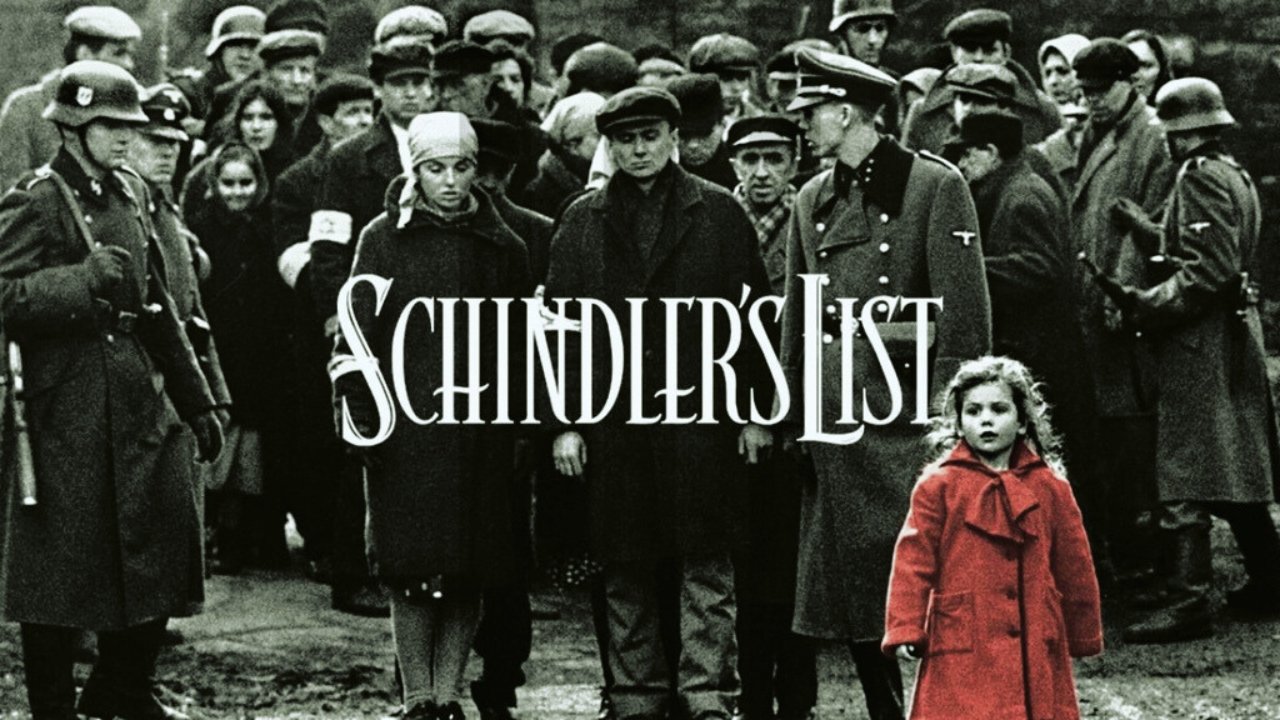
The use of selective color, such as the iconic red coat of the little girl in the Warsaw ghetto, stands out against the monochrome background, symbolizing innocence lost and the selective attention of history. Cinematographer Janusz Kamiński’s work ensures that viewers are not mere observers—they feel the terror, despair, and fleeting hope of those portrayed.
Real Stories Behind Schindler’s List
While the film is dramatized for narrative impact, it is rooted in real accounts. Survivors of Schindler’s factories have recounted their experiences, emphasizing the life-saving impact of his actions. Many owed their lives to his moral courage and strategic thinking, which often involved walking a fine line between legality and subversion.
The testimonies of survivors add a layer of authenticity to Schindlers List. Each name on Schindlers list represents a human life, a family, and a story of survival against overwhelming odds. These accounts remind viewers that history is not just dates and statistics—it is lived experience, filled with moments of fear, hope, and resilience.
Themes of Courage and Humanity
At its heart, Schindlers List is a story of courage. Courage takes many forms: the bravery of the workers, the moral courage of Schindler, and the quiet endurance of those who survived. The film illustrates that courage is not always loud or visible—it often manifests in small, deliberate acts that collectively make a monumental difference.
Humanity, too, is central. The juxtaposition of monstrous acts by the Nazis and acts of selflessness by Schindler and his allies underscores the duality of human nature. Schindlers List teaches that even in times of widespread evil, compassion can prevail.
The Impact of Schindler’s List on Modern Audiences
Since its release in 1993, Schindlers List has left an indelible mark on global cinema and historical awareness. It has sparked discussions about morality, leadership, and personal responsibility. Schools and universities use it as an educational tool, while museums and Holocaust memorials reference it to illustrate individual heroism.
The film’s emotional impact endures because it does not shy away from the horrors of the Holocaust. Instead, it confronts audiences with uncomfortable truths while simultaneously highlighting hope and the potential for human goodness.
Lessons Learned from Schindler’s List
There are numerous lessons one can extract from Schindlers List. First, history is a teacher. Understanding the Holocaust helps prevent the repetition of atrocities. Second, individual action matters. Schindler’s courage demonstrates that one person can make a difference, even against overwhelming odds. Third, moral courage often requires sacrifice and risk, but it is necessary for justice and humanity.
These lessons are timeless. In today’s world, filled with social, political, and humanitarian challenges, the principles depicted in Schindlers List are as relevant as ever. They urge viewers to reflect on their own actions, responsibilities, and potential for impact.
The Psychological Depth of Schindler’s List
Schindlers List also delves into human psychology. It portrays fear, guilt, hope, and the capacity for change. Schindler’s transformation is not instantaneous—it is gradual and fraught with internal conflict. This nuanced portrayal encourages audiences to consider the complexities of moral decision-making and the factors that drive ethical behavior.
Additionally, the film examines the psychological toll of oppression. The experiences of the Jewish workers, their constant fear of death, and the moral compromises they had to make highlight the profound psychological impacts of living under tyranny.
Iconic Scenes and Symbolism
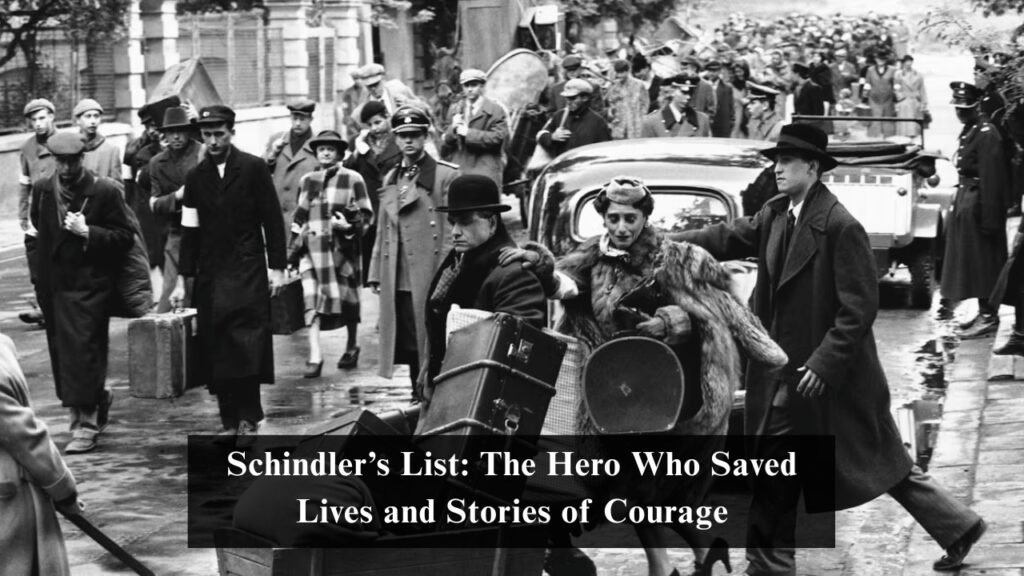
Several scenes in Schindlers List have become iconic. The liquidation of the Krakow ghetto, the little girl in the red coat, and the final moments of Schindler’s reflection are all deeply symbolic. They serve as visual representations of innocence lost, moral awakening, and the lasting impact of individual courage.
Spielberg’s deliberate use of close-ups, wide shots, and symbolic color reinforces the emotional and historical weight of the story. Each scene is designed not just to narrate events, but to evoke empathy, understanding, and introspection.
Schindler’s Legacy
Oskar Schindlers legacy lives on through the lives he saved, the stories shared by survivors, and the enduring power of Schindlers List. He was recognized as Righteous Among the Nations by Yad Vashem, Israel’s official memorial to the victims of the Holocaust. His actions continue to inspire humanitarian efforts worldwide, reminding us that moral courage is timeless.
Through the lens of cinema, Schindler’s story reaches millions, ensuring that history is remembered, lessons are learned, and courage is celebrated.
Why Schindler’s List Matters Today
In an age of rapid information and fleeting attention, Schindlers List remains a crucial cultural artifact. It teaches empathy, moral responsibility, and the importance of remembering history. By revisiting the horrors of the Holocaust, the film prevents historical amnesia and reinforces the values of human dignity and ethical action.
Moreover, it challenges viewers to confront their own moral choices. What would one do in the face of injustice? How far would one go to protect others? Schindlers List does not provide easy answers—it provokes thought, reflection, and ultimately, action.
Conclusion
Schindlers List is more than a film; it is a testament to the resilience of humanity, the courage of one man, and the enduring power of empathy. It immortalizes Oskar Schindler’s heroism, honors the lives of those who survived, and reminds us of the importance of moral responsibility.
By studying, watching, and reflecting on Schindlers List, audiences are invited not only to remember history but to live it consciously. It is a story that resonates across generations, inspiring us to act with courage, protect the vulnerable, and uphold the values of humanity in our daily lives.
If you’re a movie lover, click here for more blogs and reviews!..