 by
by “Schindlers List” is more than just a movie; it is a powerful journey into the darkest chapters of human history, reflecting the life, loss, and hope experienced during the Holocaust. Directed by Steven Spielberg and released in 1993, the film tells the true story of Oskar Schindler, a German businessman who saved over a thousand Polish Jews from certain death. Schindler’s List combines history, human emotion, and cinematic brilliance to create a story that resonates across generations.
From the opening scenes to the haunting black-and-white visuals, Schindlers List immerses viewers in the devastating reality of Nazi-occupied Poland. The film challenges audiences to confront the horrors of prejudice and war while celebrating the extraordinary acts of courage and humanity that can emerge even in the darkest times.
Historical Context: Understanding the Holocaust
To truly grasp the impact of Schindlers List, one must understand the historical context in which it is set. The Holocaust, a systematic genocide carried out by Nazi Germany, led to the deaths of six million Jews. Cities like Krakow and Warsaw became epicenters of suffering, where families were torn apart, communities destroyed, and lives forever changed.
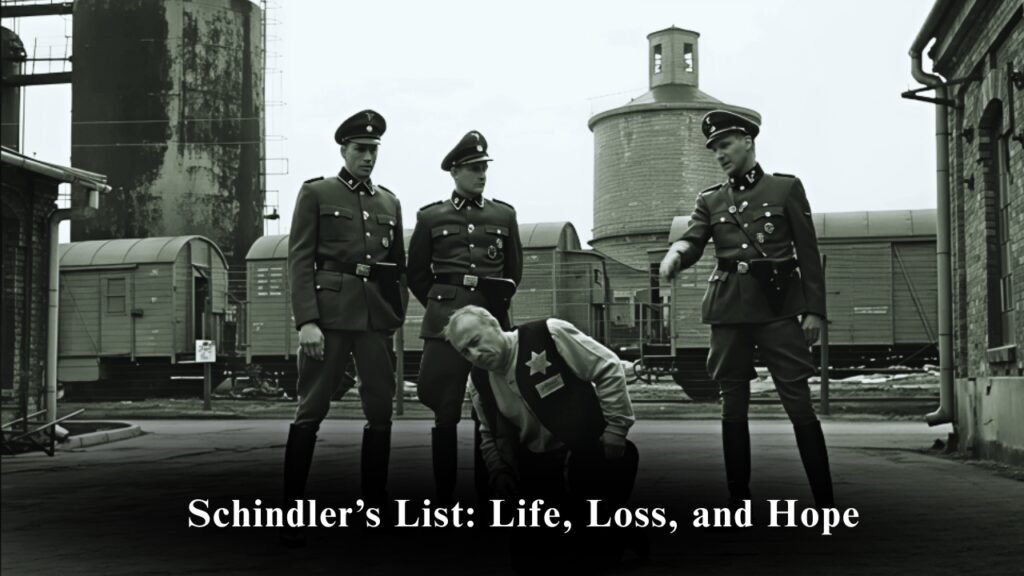
Schindlers List captures the reality of this period, portraying the fear, oppression, and unimaginable loss faced by the Jewish community. Spielberg’s attention to historical accuracy—from the uniforms to the ghettos to the harrowing conditions in labor camps—adds authenticity that is both educational and deeply moving.
Characters in Schindler’s List: Bravery and Humanity
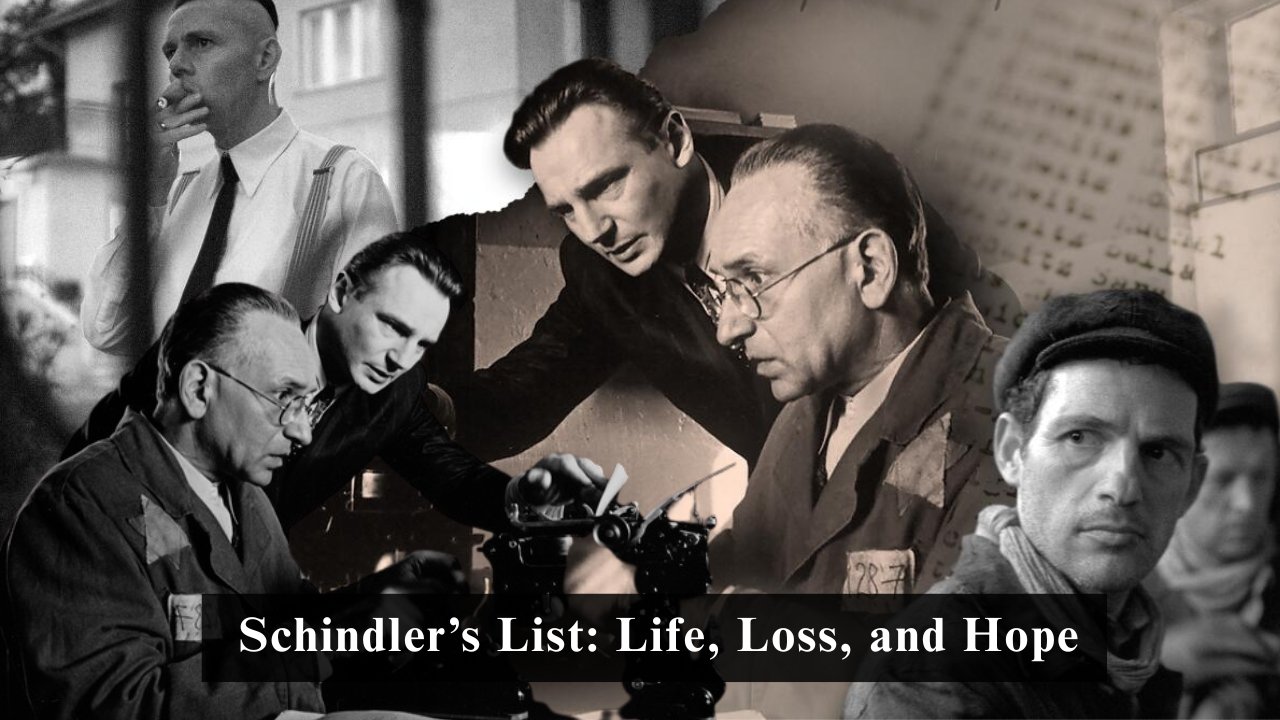
One of the most compelling aspects of Schindlers List is its focus on the people who lived through these events. Oskar Schindler, portrayed by Liam Neeson, is a complex figure—a man motivated by personal gain who transforms into a savior. His journey demonstrates how ordinary people can make extraordinary choices under extraordinary circumstances.
Supporting characters, like Itzhak Stern (Ben Kingsley), serve as moral anchors and collaborators in Schindler’s mission. The Jewish workers, each with their unique stories of suffering and resilience, represent the real faces behind historical statistics. Through these characters, Schindlers List explores the themes of courage, compassion, and the enduring human spirit.
The Emotional Power of Schindler’s List
Few films in history have evoked the range of emotions that Schindlers List does. The visual style—shot predominantly in black and white—accentuates the bleakness of the time, while selective uses of color, such as the iconic girl in the red coat, symbolize innocence amidst chaos and tragedy.
Audiences feel the horror of the concentration camps, the tension of survival, and the bittersweet triumph of Schindler’s efforts. Spielberg carefully balances despair with moments of hope, reminding viewers that even in the face of immense loss, acts of kindness and bravery can endure.
Supporting characters, like Itzhak Stern (Ben Kingsley), serve as moral anchors and collaborators in Schindler’s mission. The Jewish workers, each with their unique stories of suffering and resilience, represent the real faces behind historical statistics. Through these characters, Schindlers List explores the themes of courage, compassion, and the enduring human spirit.
Lessons from Schindler’s List
Schindlers List is not only a historical recounting but also a moral lesson for future generations. The film teaches us about the importance of standing against injustice, the responsibility of individuals to protect the vulnerable, and the enduring impact of human empathy.
Schindler’s evolution from a self-serving industrialist to a hero reminds us that moral courage often requires personal sacrifice. The stories of the Jews he saved reinforce the idea that every life is precious and that one person’s actions can ripple across history.
Cinematic Techniques in Schindler’s List
The artistry of Schindlers List extends beyond its story. Spielberg’s direction, combined with Janusz Kamiński’s cinematography, creates a hauntingly realistic depiction of the era. The use of handheld cameras, high-contrast lighting, and long tracking shots immerses viewers in the narrative, making the experiences of the characters tangible and immediate.
John Williams’ score further elevates the emotional impact. The mournful violin themes echo the suffering depicted on screen, creating a profound auditory and visual experience that lingers long after the credits roll.
Modern Relevance of Schindler’s List
Even decades after its release, Schindlers List remains relevant. The film serves as a reminder of the dangers of hatred, discrimination, and indifference. In a world where prejudice and violence still exist, the lessons of Schindler’s courage and the resilience of his workers continue to resonate.
The film has also inspired educational programs, museum exhibits, and discussions about moral responsibility and historical memory. By watching Schindlers List, contemporary audiences gain not only an understanding of history but also a framework for reflecting on the ethical challenges of their own lives.
The Timeless Legacy of Schindler’s List
Schindlers List has earned its place as a timeless classic in cinematic history. It won seven Academy Awards, including Best Picture and Best Director, and is preserved in the National Film Registry for its cultural, historical, and aesthetic significance.
The film’s legacy extends beyond awards. Survivors and descendants of those saved by Schindler continue to honor his actions. The stories depicted in Schindlers List are a testament to the enduring impact of courage, morality, and human compassion.
Viewer Impact: Why Audiences Remember Schindler’s List
Watching Schindler’s List is a deeply personal experience. Audiences often describe feeling a mixture of grief, admiration, and hope. The film’s unflinching portrayal of human suffering combined with moments of heroism ensures that it remains a powerful educational and emotional tool.
By highlighting both tragedy and triumph, Schindler’s List allows viewers to connect with history on a human level, understanding that behind every statistic is a life, a family, and a story.
Conclusion: Schindler’s List – More Than a Film
In the end, Schindler’s List is not just a recounting of historical events; it is a story of human resilience, moral courage, and hope. The film challenges us to remember the past, to act with empathy, and to recognize the potential for goodness in every individual.
Through its compelling storytelling, unforgettable characters, and emotional depth, Schindler’s List continues to educate, inspire, and move audiences around the world. It reminds us that even in the darkest moments, light can emerge—and one person truly can make a difference.