 by
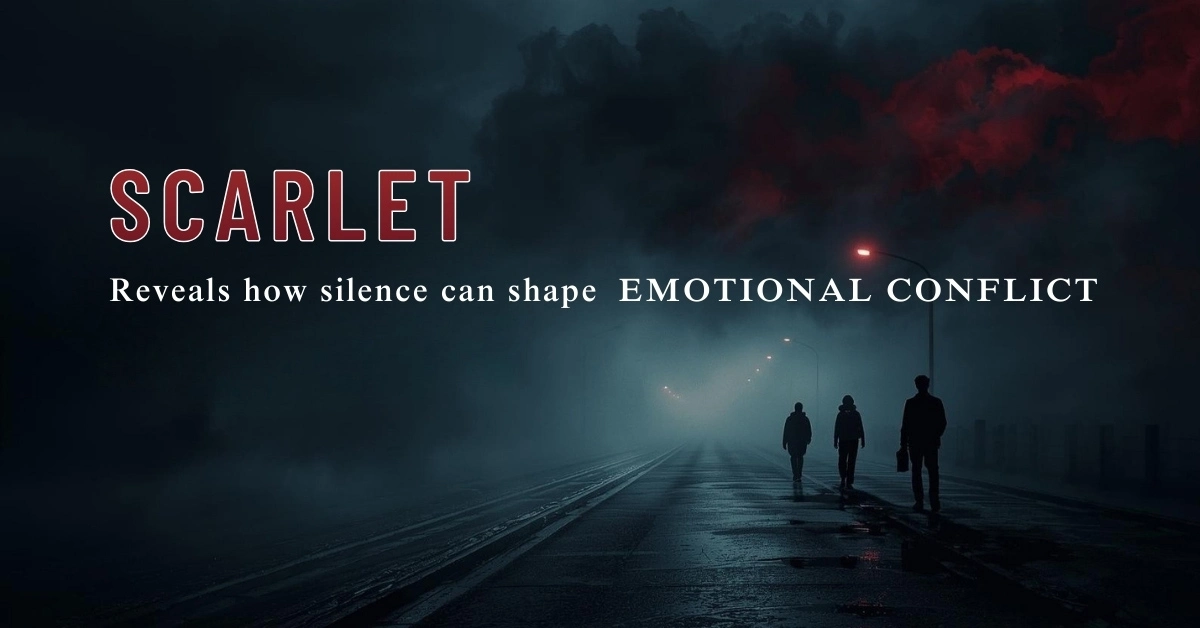
by Scarlet is a Japanese animated fantasy film that blends atmospheric storytelling with emotionally restrained character development. Unlike many large-scale fantasy-adventure anime that prioritize spectacle and rapid escalation, this film leans into mood, internal conflict, and environmental symbolism. The direction feels intentional, with visual pacing and scene composition playing a major role in how emotions are communicated.
This context matters because my Scarlet Anime Experience wasn’t shaped by plot twists — it was shaped by how the film chose to present emotion within a fantasy structure.
My Expectation Before Pressing Play
Going into the film, I was prepared for strong world-building and dramatic turning points. Most fantasy-adventure anime establish emotional stakes clearly and then elevate them through action-heavy sequences.
So my mindset was simple:
- Strong protagonist arc
- Clear emotional transitions
- Big fantasy payoff moments
However, within the first few sequences, I noticed something different. The emotional tone felt restrained. The film wasn’t in a hurry to impress me. It felt confident enough to slow down.
That subtle decision immediately changed my Scarlet Anime Experience because I realized this film wasn’t chasing excitement — it was building atmosphere.
The First Shift In Perception
What caught my attention early wasn’t dialogue — it was behavior.
There were pauses between character responses that felt intentional. Instead of quick emotional clarity, I saw hesitation. And that hesitation made the scenes feel more real.
That’s when my Scarlet Anime Experience stopped being passive.
I wasn’t just watching scenes — I was trying to understand what the characters were holding back.
In many fantasy films, emotions are amplified. Here, they were contained. And that containment made everything feel heavier.
When The Fantasy World Started Feeling Personal
At some point, I stopped seeing the fantasy setting as just a creative backdrop. The environment began to feel emotionally aligned with the characters.
The lighting, the open spaces, even the quiet transitions between scenes — they felt connected to internal states. That realization made my Scarlet Anime Experience more immersive because I wasn’t separating character from world anymore.
They felt intertwined.
It made me think: if this same story were placed in a normal, everyday setting, would it feel the same? Probably not. The fantasy wasn’t just aesthetic — it was emotional architecture.
The Animation Craft That Strengthened The Emotion
Beyond narrative choices, the animation craft itself deserves attention. The background layering feels carefully composed — distant elements are often softened while foreground details remain sharp, subtly guiding focus without aggressive camera movement.
Color grading shifts slightly between emotionally tense and reflective scenes. Cooler tones dominate moments of hesitation, while warmer lighting appears during connection-driven sequences. These visual cues work quietly but effectively.
Frame timing is also slower than typical fantasy anime pacing. Reactions are allowed to breathe for a fraction longer than expected. That extra beat creates psychological weight.
These technical decisions enhanced my Scarlet Anime Experience because the emotion wasn’t just written — it was animated into the atmosphere.
A Character Moment That Made Me Rethink Everything
There’s a moment where a character chooses restraint instead of confrontation. I was almost waiting for an explosive reaction. It never came.
And that surprised me more than any dramatic twist would have.
That decision shifted my Scarlet Anime Experience in a big way. I realized the film wasn’t interested in loud emotional release. It was interested in internal conflict.
If that character had reacted aggressively, the film would have felt typical. By choosing restraint, it felt intentional.
And honestly, that restraint made the character feel stronger, not weaker.
The Trailer Misled Me — In A Good Way
After finishing the film, I thought back to the trailer.
Certain shots that looked action-driven actually carried emotional weight in context. The marketing emphasized movement and scale, but the film itself emphasized mood and hesitation.
That contrast deepened my Scarlet Anime Experience. It reminded me how easy it is to misread tone based on short promotional clips.
What I expected to be visually dominant ended up being emotionally dominant.
The Sound Design Changed My Mood More Than I Expected
One thing I didn’t anticipate was how much the sound design would affect me.
There are moments where background music almost disappears. You’re left with environmental noise, subtle movement, distant echoes. It creates a strange intimacy.
During those scenes, my Scarlet Anime Experience felt almost quiet in my own head. I wasn’t overstimulated. I was focused.
Sometimes silence in animation feels empty. Here, it felt intentional — like the film was asking me to sit with the moment instead of rushing past it.
That patience made the emotional beats feel earned.
A Scene That Made Me Question My Own Interpretation
There was a stretch in the film where I thought I understood a character’s emotional direction. I believed I had predicted where things were heading.
Then a small behavioral shift happened — nothing dramatic — but enough to make me reconsider.
And that’s when I realized something important about my Scarlet Anime Experience: I had been projecting expectations onto the characters.
The film wasn’t misleading me. I was assuming patterns.
That awareness made the viewing more interactive. I wasn’t just interpreting the film anymore — I was questioning my own interpretation.
Not many animated fantasy films create that kind of self-awareness in the viewer.
What If One Character Was Removed?
I genuinely thought about this after watching.
If one of the key supporting characters were removed, the emotional balance would tilt dramatically. Not because of plot necessity — but because of tonal influence.
Some characters act as emotional stabilizers. They don’t dominate scenes, but they anchor them.
Removing that anchor would make the Scarlet Anime Experience feel heavier, maybe even overwhelming. That made me appreciate how carefully the dynamics were constructed.
It wasn’t loud writing. It was balanced writing.
Pacing That Felt Uneven — Until It Didn’t
Midway through the film, I questioned the rhythm. It didn’t build in a straight line. It expanded, paused, and then shifted again.
At first, I thought it lacked urgency.
But by the end, I understood that the uneven pacing was deliberate. It mirrored emotional uncertainty. And once I accepted that, my Scarlet Anime Experience felt cohesive.
Sometimes we expect adventure films to escalate constantly. This one chooses fluctuation instead.
And that choice made it memorable.
How Scarlet Differs From Typical Fantasy Anime Structure
Most fantasy-adventure anime rely on visible escalation — louder confrontations, dramatic declarations, explosive emotional release. Scarlet chooses a different path.
Instead of resolving tension through confrontation, it allows characters to carry unresolved emotion longer than usual. That structural restraint makes the film feel less reactive and more introspective.
Where many fantasy films push forward through conflict spikes, Scarlet expands sideways through atmosphere and subtle behavioral shifts. That structural difference is what makes the experience feel layered rather than linear.
And that’s rare in the genre.
How My Perception Changed By The Final Scenes
By the time the film ended, I wasn’t focused on resolution. I was thinking about consistency.
Did the characters behave in ways that aligned with earlier emotional signals?
Did the world still feel connected to internal tension?
The answer felt yes.
That’s what defines my Scarlet Anime Experience. It started with expectation, shifted through observation, and ended with reflection.
It didn’t overwhelm me with spectacle. It invited me to pay attention.
And in today’s fast-paced animated landscape, that quiet confidence feels rare.
If you enjoy reading this Scarlet Anime Experience, you can explore more film analysis on our website.
What This Experience Changed In My Viewing Habits
After finishing the film, I realized something unexpected: I now pay closer attention to hesitation in animated storytelling.
Scarlet reminded me that emotional strength doesn’t always come from dramatic release. Sometimes it comes from restraint, silence, and the space between reactions.
My Scarlet Anime Experience shifted how I approach fantasy anime in general. I no longer look only for scale or spectacle. I look for intention.
And that shift might be the most lasting impact the film had on me.