 by
by If you enjoy a psychological thriller movie that doesn’t rely on jump scares or flashy action, The Man in the Window (2026) is a film that quietly demands attention. Unlike loud thrillers, this movie gradually builds tension, keeps the audience guessing, and explores how fear and suspicion can cloud judgment.
But the question remains: does it stand out, or is it just another predictable suspense film?
Here’s a detailed, honest, and fully immersive review that covers everything—from story, performances, and suspense to real-life insights you can take away from the film.
Story Overview
The story centers on Sarah, a woman trying to regain stability in her life after a period of personal upheaval. She moves into a new neighborhood seeking calm, but everything changes when she meets Jack, her enigmatic and charming neighbor.
At first, Jack appears harmless, but after a nearby murder shakes the community, Sarah notices subtle inconsistencies in his behavior. For fans of psychological thriller movies, this slow reveal is a hallmark: tension grows from character interaction and psychological depth, rather than loud action.
What makes this film compelling is that the tension isn’t just external—it’s internal. Sarah’s doubts, fears, and instincts drive the suspense, forcing viewers to question not just what’s happening, but also how much of it is real.
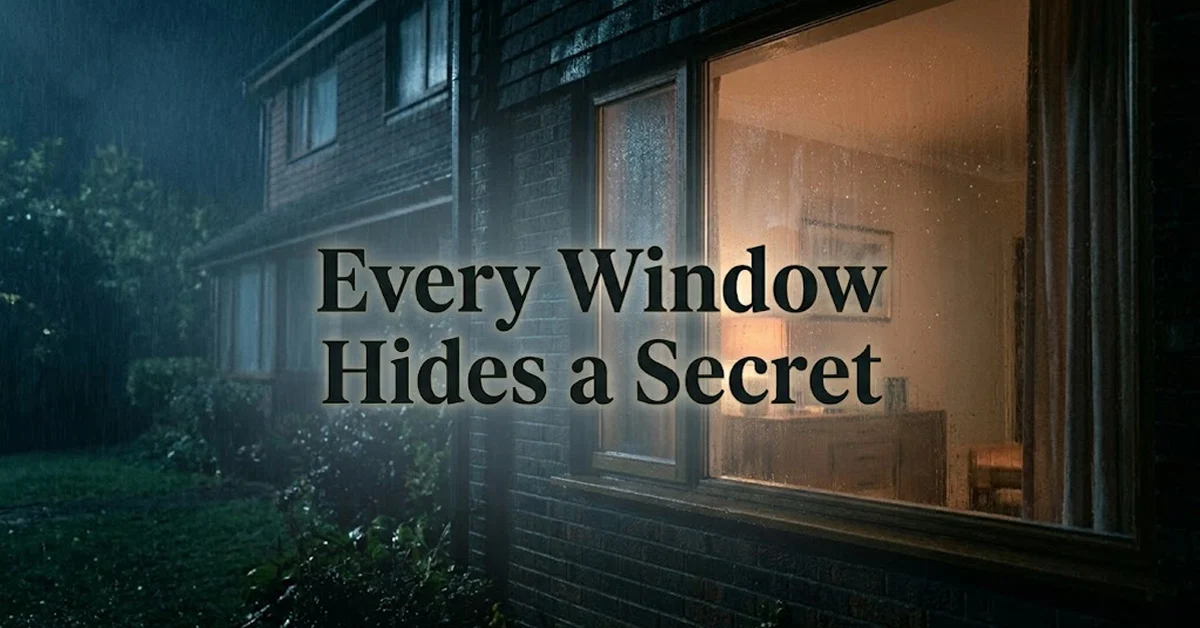
The psychological thriller movie carefully balances suspense with character development. It doesn’t overwhelm with twists but allows tension to build naturally over time, making the slow realization of danger feel both authentic and unsettling. For example, the recurring motif of Sarah observing Jack through the window creates a sense of claustrophobia and paranoia that mirrors real human anxiety.
First Impressions: Subtle Yet Effective Hook
Unlike typical thrillers that start with dramatic action, The Man in the Window opens with ordinary life—small moments like Sarah cooking dinner, meeting neighbors, or arranging her home. This calm beginning makes the suspense feel grounded and relatable.
The genius of the film lies in its subtle cues:
- A glance held too long
- A slightly offhand remark
- Minor inconsistencies in Jack’s story
Each of these small details slowly triggers doubt in Sarah—and in the audience. You don’t just watch the story unfold; you start analyzing every interaction, wondering what is real.
This method of suspense is typical of the best psychological thrillers: it relies on mental engagement rather than noise or spectacle. By the time tension escalates, viewers are already invested in Sarah’s world and deeply aware of the potential danger lurking in familiar surroundings.
Performances: Heart of the Movie
Sarah: Emotional Core
Sarah is not a flawless heroine. She hesitates, doubts herself, and makes mistakes—traits that make her deeply relatable. Watching her navigate suspicion and fear, you feel her vulnerability and uncertainty. Scenes where she second-guesses herself, such as noticing a small irregularity in Jack’s behavior or questioning her own judgment, are particularly effective at building tension.
The actress brings subtle nuances—a fleeting glance, slight change in tone, or a nervous gesture—that enhance the realism of the character. These small details allow the audience to empathize with her predicament and feel her growing unease.
Jack: Mystery Personified
Jack keeps the audience guessing throughout. His calm and polite demeanor is offset by moments of tension—sometimes through his expressions, sometimes through ambiguous dialogue. You never feel certain if he’s innocent or hiding something sinister, which is essential for a psychological thriller movie.
The tension is heightened because Jack behaves in ways that are normal but slightly unsettling—a small nod, a pause, or a quiet laugh that seems out of place. These layers make him more than a simple antagonist; he becomes a complex character who exists in shades of gray.
Supporting Characters
Though not fully fleshed out, the supporting cast effectively amplifies suspense. Their reactions to events—sometimes dismissive, sometimes alarmed—reflect real-world behavior and heighten Sarah’s isolation. Minor interactions with neighbors or colleagues subtly feed the tension and maintain narrative momentum.
Psychological Depth: Beyond Surface-Level Suspense
What sets a real psychological thriller movie apart is its ability to manipulate perception and explore human emotions. The Man in the Window succeeds in multiple ways.
1. Trust vs Instinct
Sarah constantly weighs her instincts against evidence. This internal conflict mirrors real life, a technique used by top psychological thriller movie to make audiences question what is real.
2. Isolation Amplifies Fear
Isolation is a recurring theme in this psychological thriller movie. Sarah often faces danger alone, heightening vulnerability. The film explores how being alone can amplify fear, doubt, and overthinking—a theme many viewers can relate to in their own experiences of uncertainty or suspicion.
3. Observation and Attention to Detail
The film emphasizes that small observations matter. Pivotal plot points often arise from noticing minute details—a misplaced object, a fleeting expression, or an inconsistency in behavior. These scenes show that suspense doesn’t always come from dramatic events; it comes from paying attention to the subtle things in life.
Pacing: Slow-Burn Suspense That Works
The film’s pacing is deliberate, and that’s one of its strongest points. Unlike thrillers that try to shock viewers every few minutes, this movie lets tension grow naturally.
- Early scenes establish normalcy and character relationships
- Mid-movie sequences increase unease through subtle cues
- The climax resolves tension both emotionally and psychologically
This pacing ensures the audience is fully immersed, connecting with Sarah’s perspective and experiencing her doubt and fear as it unfolds. For example, the scene where Sarah quietly observes Jack through the window captures both the suspense of what she might discover and the internal tension of waiting for confirmation.
Direction & Cinematic Style
Director Richard Switzer uses minimalism to his advantage in this psychological thriller movie. The film avoids gimmicks and focuses on authentic storytelling.
- Camera Work: Close-up shots emphasize character emotions and minor reactions, making viewers feel the suspense firsthand.
- Lighting: Subtle lighting reflects the tension and unease of each scene, enhancing the psychological effect.
- Locations: Limited, everyday settings amplify claustrophobia and realism.
This simplicity allows the psychological elements to shine. You feel the unease because the world looks familiar, yet something seems off—a hallmark of effective psychological thrillers.
Memorable Scenes That Add Value
1. The Window Scene
The titular “window” scene is iconic. It represents both observation and vulnerability, as Sarah watches events unfold outside, reflecting her own uncertainty. The camera lingers on her reactions, building tension and empathy simultaneously.
2. The Dinner Encounter
A routine dinner escalates into a subtle tension-filled moment in this psychological thriller movie. Dialogue, gestures, and offhand remarks create psychological unease, showing how ordinary interactions can become sources of suspense.
3. The Final Confrontation
The climax combines emotional stakes with psychological tension. Unlike over-the-top thrillers, the resolution feels earned, as the characters’ decisions and perceptions directly affect the outcome. The scene reinforces the film’s main theme: that fear and doubt can be as dangerous as any external threat.
Extra Tadka: Real-Life Lessons
1. Trust Your Instincts—but Verify Facts
Sarah’s journey illustrates the importance of balancing intuition with evidence. In real life, this approach can prevent mistakes in relationships, work, or personal safety.
2. Observe Small Details
Many plot points hinge on noticing minor cues. Likewise, paying attention to subtle signs in real life—body language, unusual behavior, or inconsistencies—can help prevent bigger problems.
3. Emotional Awareness
Understanding your emotional responses is key, both in real life and when watching a psychological thriller movie. Fear and doubt can cloud judgment, and being aware of these emotions helps in making better decisions.
Why This Film Stands Out Among Thrillers
Unlike typical thrillers that rely on action or shocking twists, this movie emphasizes:
- Relatable suspense rooted in everyday life
- Subtle character development
- Psychological tension that feels authentic
- Scenes that encourage reflection and observation
This combination makes The Man in the Window memorable and relatable, which is exactly what readers and viewers value when engaging with content online.
Viewer Takeaways
- Critical Thinking: The film encourages viewers to analyze situations, observe behavior, and question assumptions.
- Self-Reflection: Watching Sarah’s decisions may prompt viewers to consider how they might react in similar situations.
- Attention to Subtlety: The story demonstrates that suspense often comes from small, easily overlooked details.
These lessons make the movie more than entertainment, adding depth and value for viewers.
If you enjoy reading this The Man in the Window, you can explore more film analysis on our website.
Final Thoughts: Should You Watch The Man in the Window?
If you enjoy:
- Thoughtful suspense
- Character-driven storytelling
- Psychological tension rooted in realism
Then this film is worth watching. It’s not about shocking twists or flashy action—it’s about an experience that keeps you thinking, analyzing, and emotionally engaged.
The film proves that psychological depth and subtle storytelling can be more effective than noise and spectacle, making it a must-watch for fans of the genre.
FAQs
1. Is The Man in the Window scary?
It’s suspenseful, not horror. This psychological thriller movie focuses on psychological tension, emphasizing anticipation and observation rather than gore or jump scares.
2. Can children watch it?
It’s best suited for teens and adults due to mature themes and emotional tension.
3. Does it have a twist?
Yes, a satisfying twist fits naturally with the story without being forced.
4. Is it predictable?
Casual viewers will find it engaging, while experienced thriller fans may anticipate certain moments. However, the psychological tension keeps the film interesting.
5. Can I learn something from it?
Yes. Observational skills, trust instincts, and emotional awareness are subtle lessons embedded in the story.