
 by
by Hey everyone! I’m a 25-year-old guy who’s been a movie junkie for as long as I can remember. Whether it’s action-packed blockbusters, slow-burn thrillers, or thought-provoking biopics, I love diving into films that make you think and feel. And today, I want to talk about a movie that literally blew my mind—Oppenheimer (2023).
This isn’t just another film review. I want to take you inside the cinematic experience, how it made me feel, and why I think Oppenheimer is one of the boldest films ever made. Whether you’re a history buff, a fan of Christopher Nolan, or someone looking for your next powerful watch, stick around.
What Is Oppenheimer About?
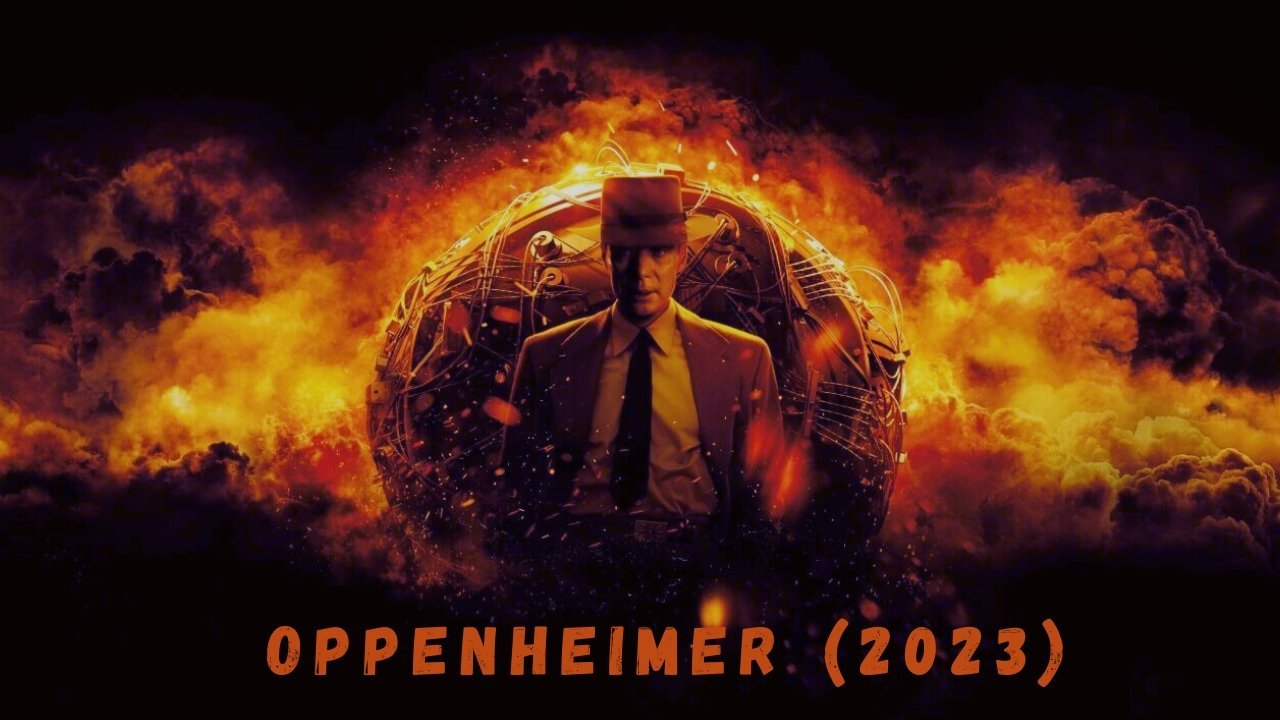
Directed by Christopher Nolan, Oppenheimer tells the story of J. Robert Oppenheimer, the brilliant physicist behind the creation of the atomic bomb during World War II. Based on the Pulitzer Prize-winning biography American Prometheus by Kai Bird and Martin J. Sherwin, the film goes deep into Oppenheimer’s life—his triumphs, guilt, politics, and inner turmoil.
The film jumps between timelines, switching from Oppenheimer’s scientific rise to the secretive Manhattan Project, and later to the public and political consequences of creating such a world-changing weapon. It’s both a biopic and a psychological drama, wrapped in Nolan’s signature non-linear storytelling style.
The Cast That Carries the Weight of History
Let’s talk cast—because honestly, everyone was phenomenal.
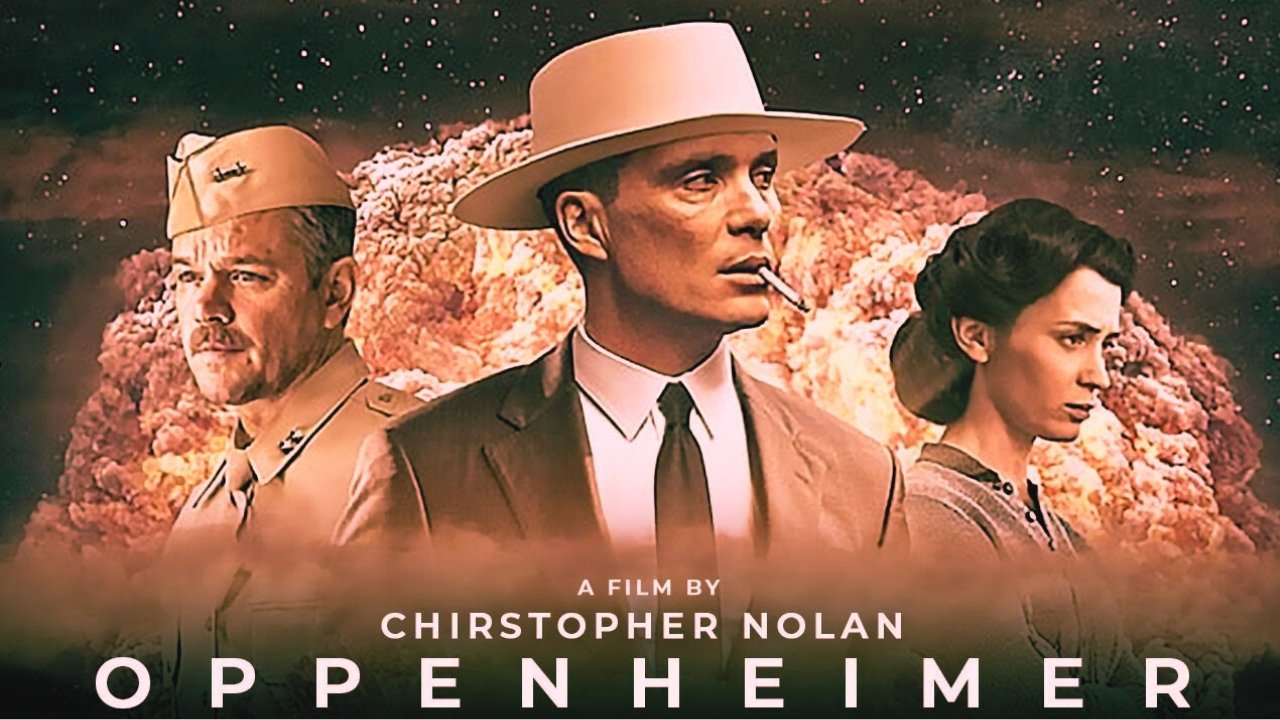
Cillian Murphy gives the performance of his career as J. Robert Oppenheimer. His haunted eyes, anxious expressions, and quiet intensity stay with you long after the film ends. You can literally feel the emotional weight this man carried.
Robert Downey Jr. as Lewis Strauss is equally brilliant. I’ve always loved him as Tony Stark, but here, he disappears into the role. It’s layered, political, and slightly villainous—pure Oscar material.
Emily Blunt as Kitty Oppenheimer (Oppenheimer’s wife) brings quiet rage and resilience, while Florence Pugh, though in a limited role, adds complexity and emotion as Jean Tatlock.
Other supporting actors like Matt Damon, Benny Safdie, and Rami Malek also deliver solid performances. This is easily one of the strongest ensemble casts of the decade.
What Makes Oppenheimer So Powerful?
For me, this film hits hard for three main reasons: storytelling, sound, and moral conflict.
1. Nolan’s Direction
Christopher Nolan is known for messing with time (Inception, Tenet) and bending your brain (Interstellar), but Oppenheimer feels more grounded. It’s still nonlinear—there are flashbacks, political hearings, and character perspectives—but it never loses you.
What makes it masterful is how Nolan handles the weight of knowledge. You feel the tension not just in the explosion but in the silence before and after. Nolan doesn’t glorify war or science. He focuses on the emotional and moral impact of human choices.
2. The Sound and Silence
Let’s talk sound design. There’s no CGI nuclear explosion. Instead, you feel the blast through sound and reaction. The use of silence after the Trinity test—when the bomb finally detonates—is chilling. It’s not just what you see, but what you hear (or don’t hear) that shakes you.
The score by Ludwig Göransson is another level of genius. It builds anxiety, hope, and dread—all at once. It doesn’t just support the story; it amplifies it.
3. The Moral Complexity
This isn’t a superhero film. It’s about a man who helped end World War II—but also opened the door to nuclear destruction. The film doesn’t spoon-feed you answers. It makes you think: Did Oppenheimer do the right thing? Should we feel sympathy or horror?
As someone who grew up learning about WWII only in textbooks, seeing the human side of this story really affected me. It reminded me that history isn’t black and white—it’s layered, and often, painful.
Historical Accuracy vs. Dramatic License
One of the questions I get from my friends is: “Is Oppenheimer historically accurate?”
The answer is: mostly, yes.
The film is rooted in facts. The key events—from the Los Alamos lab and the Trinity test, to the political hearings where Oppenheimer lost his security clearance—are well-documented. Nolan took some creative liberties for emotional impact (especially in visualizing Oppenheimer’s inner guilt), but it never feels false.
In fact, historians have praised the film for its depth and respect toward the subject.
Why You Should Watch It in Theaters (Or at Least With Great Sound)
I saw Oppenheimer in IMAX, and I recommend you do too if it’s still playing. The cinematography, especially in IMAX 70mm, is breathtaking. Even without flashy action, it feels epic.
Every frame is carefully crafted. From close-ups of Murphy’s face to sweeping shots of the desert, it pulls you in. And with the sound system in full effect, the impact of that first atomic test? Absolutely unforgettable.
Criticisms? Only a Few.
No film is perfect, and Oppenheimer does have its flaws. Some viewers may find the pacing slow in the first act. There’s also a lot of dialogue—political debates, scientific discussions, courtroom drama. If you’re expecting non-stop action, this isn’t that kind of movie.
Also, some characters, especially the women (like Florence Pugh’s Jean Tatlock), could have been developed more deeply. But overall, these are minor compared to the film’s overall impact.
Final Thoughts: Is Oppenheimer Worth Watching?
s a 25-year-old guy who loves both cinema and history, I can confidently say: Oppenheimer is not just a movie—it’s an experience. It challenges you to think about science, war, leadership, guilt, and the future of humanity.
It’s emotional. It’s haunting. It’s the kind of film that sticks with you—not just because of what it shows, but because of what it implies.
If you love powerful performances, smart writing, and meaningful storytelling, then yes—you should absolutely watch Oppenheimer.




One thought on “Oppenheimer: A Historic Journey into the Mind of Genius”