 by
by Introduction: My Journey into the Symbolism of Mononoke
As a 25-year-old boy with a deep love for anime, I’ve always been fascinated by the way stories from Japan blend the mystical with the emotional. But among all the films I’ve watched, few have left as lasting an impression as Mononoke: Phantom in the Rain. This movie doesn’t just tell a supernatural tale; it drenches the audience in symbolism, emotion, and spiritual meaning. What particularly struck me was the Mononoke movie symbolism that flowed through every frame, especially the metaphor of rain as redemption and the central spiritual triad of truth, form, and reason.
In this detailed breakdown, I’ll walk you through everything this movie offers in terms of theme, emotional resonance, and deeper meaning. My goal is to take you on a journey through the layers of Mononoke movie symbolism and help you see how powerful this piece of storytelling truly is.
The Rain That Falls on the Soul
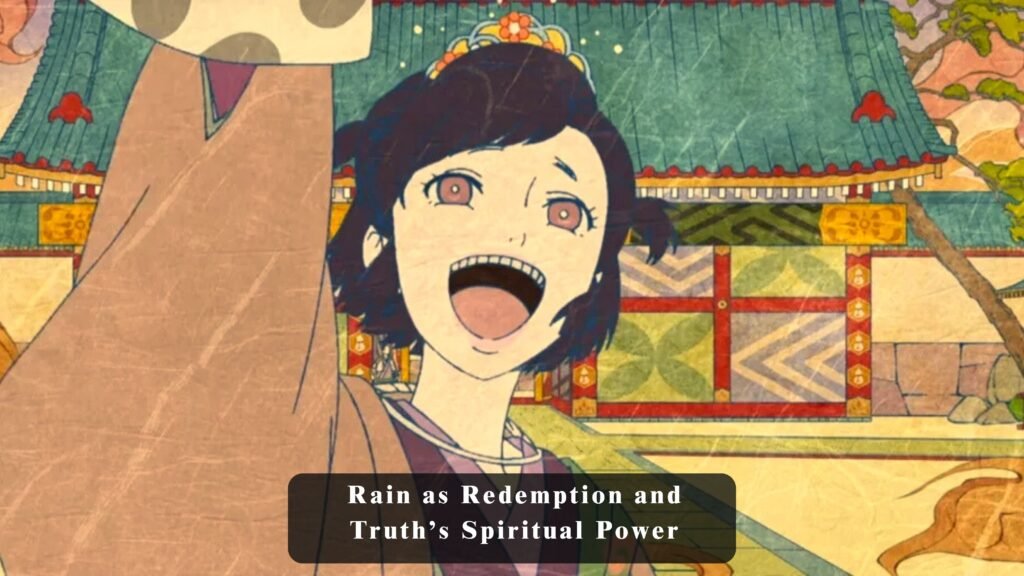
From the opening scene of Mononoke: Phantom in the Rain, the steady downpour sets a tone of grief and reflection. Rain in this movie is never just a background effect. It serves as an emotional mirror, amplifying the sorrow, guilt, and longing of the characters.
In the world of Mononoke, rain doesn’t just soak the physical landscape. It floods memories, regrets, and the hidden corners of the spirit world. As the Medicine Seller walks through drenched streets and ancient homes, the rain seems to fall hardest on those who carry unresolved pain. This is where Mononoke movie symbolism begins to show its depth.
We see how the rain interacts with each character:
It falls harder during moments of intense emotion.
It softens when truths are revealed.
It stops completely once a spirit is exorcised and emotional closure is reached.
In essence, the rain symbolizes the inner storm. And when the storm is faced, not run from, redemption becomes possible.
Emotional Weight of the Rain
As the movie unfolds, the rain becomes more than symbolic. It becomes a character itself. It whispers, it weighs down, and at times, it even punishes. Characters walk slowly, shrouded in it. Sometimes, they cry but you can’t tell if it’s the sky or their heart.
This emotional weight is intentional. The director uses rain as a vessel for memory. The ghosts in this movie are not angry because of random curses. They are soaked in unresolved stories. They want their truth known.
When viewed through this lens, Mononoke movie symbolism becomes a map of healing. Each scene is a step toward clarity, and the rain is the path that must be walked with courage.
The Medicine Seller – A Different Kind of Hero
The Medicine Seller is unlike any protagonist in typical anime. He doe doesn’t shout. He doesn’t wield power for show. His strength lies in knowledge, patience, and spiritual insight.
He is a spiritual detective. And his tools? Not weapons or gadgets, but three sacred elements:
- Truth
- Form
- Reason
These three elements are necessary to exorcise a Mononoke, but they also serve as a guide to emotional understanding. This is where the film dives deep into spiritual philosophy, and the Mononoke movie symbolism becomes more layered and profound.
Truth – Confronting the Past
Truth is the first element needed to exorcise a Mononoke. But truth in this film is not just about facts. It is about emotional honesty. Until the characters face the real reason a spirit lingers, it cannot be released.
This theme is seen in multiple characters:
- A grieving mother who hides her guilt
- A brother who rewrites the past to cope with loss
- A spirit who only wants to be remembered for who she truly was
In these moments, the Mononoke movie symbolism reminds us that our ghosts are the lies we live with. And only truth can bring peace.
Form – The Shape of Sorrow
Once the truth is known, the spirit’s form can be revealed. This is the physical or symbolic shape the Mononoke takes. In the film, forms vary:
- A child
- A serpent
- A shadow
- A mirror
Each form reflects not just who the spirit was, but the emotions they carried. The Mononoke movie symbolism shows us that pain always leaves a shape in the world—whether it’s a scar, a haunting memory, or a voice that won’t stop echoing.
This idea resonates deeply. Our emotional wounds take form too, whether in our habits, our silence, or our fears. And recognizing that form is essential to healing.
Reason – The Unfinished Story
The final piece is reason. Why does the Mononoke linger? What purpose does its presence serve?
In many cases, the spirits don’t know the reason themselves. They are bound by forgotten promises, broken trust, or betrayal. Until the reason is fully understood, the spirit cannot be freed.
The Mononoke movie symbolism here is a beautiful metaphor for therapy. Many of us carry pain without knowing why. We must ask: What am I holding on to? What needs to be resolved?
Symbolism in the Animation and Design
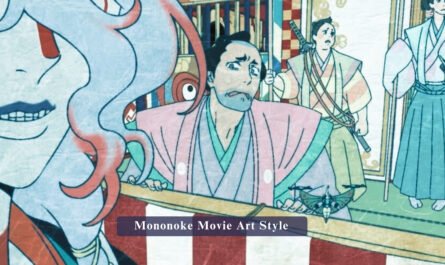
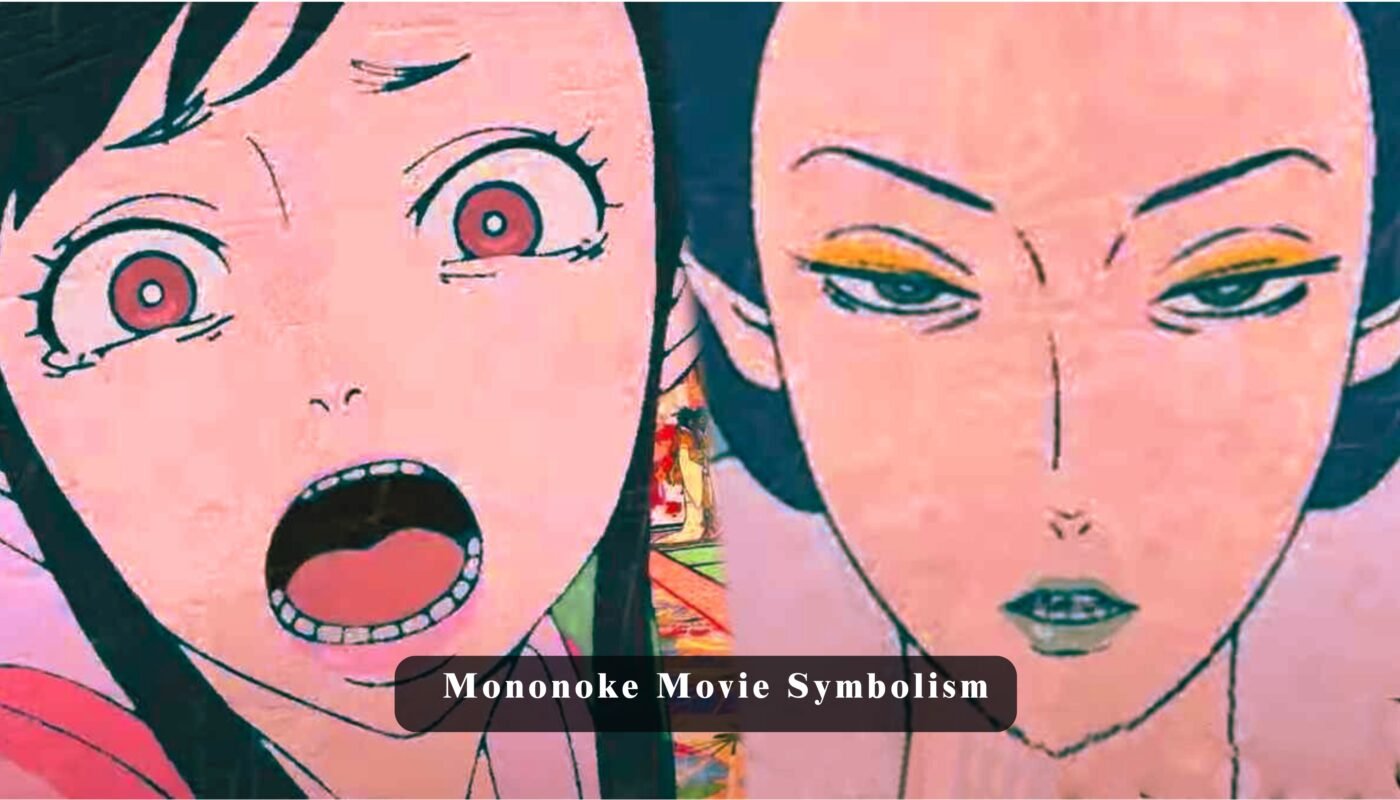
Let’s talk about the visual side of the movie. Every frame of Mononoke is painted with intent. The jagged art style, the surreal backgrounds, and the constantly shifting colors all serve a deeper purpose.
- The Rain is textured like ink blots, as if each drop is a brushstroke of emotion.
- The Spirits don’t look realistic—they look remembered, blurred by trauma.
- The Medicine Seller’s Sword only unsheathes when truth, form, and reason are revealed. It is a sword of enlightenment, not violence.
The Mononoke movie symbolism extends to every shadow and splash of color, making the film an interactive spiritual canvas.
Shintoism and Cultural Symbolism
Mononoke is heavily influenced by Shinto beliefs. In Shinto:
- All things have a spirit (kami)
- Spirits are not good or evil, but simply misunderstood
- Purification, not destruction, is the goal
This ties in beautifully with the Mononoke movie symbolism. The Medicine Seller is not an exorcist in the Western sense. He is a guide who helps lost souls find clarity.
The rain, again, plays a sacred role. In Japanese tradition, rain is often cleansing. In this film, it both reveals and purifies.
Character Arcs as Symbolic Journeys
Each character in the movie undergoes a transformation. Their arcs are not about success or failure, but about truth and release. Here are some examples:
- The Widow who pretends to be strong until her past resurfaces
- The Child Spirit who simply wanted to be acknowledged
- The Old Man who betrayed a friend and never forgave himself
Their journeys represent parts of us—the parts that are scared, ashamed, or forgotten. And through them, we learn that no spirit can be laid to rest until the story is complete.
The Moment the Rain Stops
After the final exorcism, the most powerful scene is the silence that follows. The rain has stopped. The clouds part. There is no dramatic music, no applause. Just quiet.
This moment is the ultimate expression of Mononoke movie symbolism. True healing is subtle. Redemption doesn’t need to be loud. Sometimes, it’s just the rain stopping after years of falling.
Conclusion: What the Mononoke Movie Symbolism Taught Me
Watching Mononoke: Phantom in the Rain was a spiritual experience. It taught me that stories don’t need to be fast or flashy to be powerful. Sometimes, they just need to be honest.
The Mononoke movie symbolism showed me that every emotion has a shape, every pain has a truth, and every spirit just wants to be heard. As someone navigating my own emotional growth, this movie didn’t just entertain me—it helped me.
And that, I believe, is what great art is meant to do.