 by
by Introduction: Why Mononoke Changed Horror for Me
As a 25-year-old boy passionate about movies and visual storytelling, I can confidently say that Mononoke: Phantom in the Rain is not just a movie—it’s an experience. The Mononoke movie art style blends traditional Japanese aesthetics with surreal horror visuals in a way I had never seen before. The rain-soaked palette, haunting silence, and brushstroke visuals transport you to a world that feels deeply spiritual and unsettling.
In this post, I’ll take you deep into the Mononoke movie art style and sound design to show why this film stands as a masterpiece of animated horror. I’ll explore its Edo-period inspiration, eerie animation techniques, symbolic visuals, and ambient soundscape that combine to create a truly unique horror atmosphere.
A Painting Come to Life – The Visual Brilliance of Mononoke
Mononoke Movie Art Style as a Living Canvas
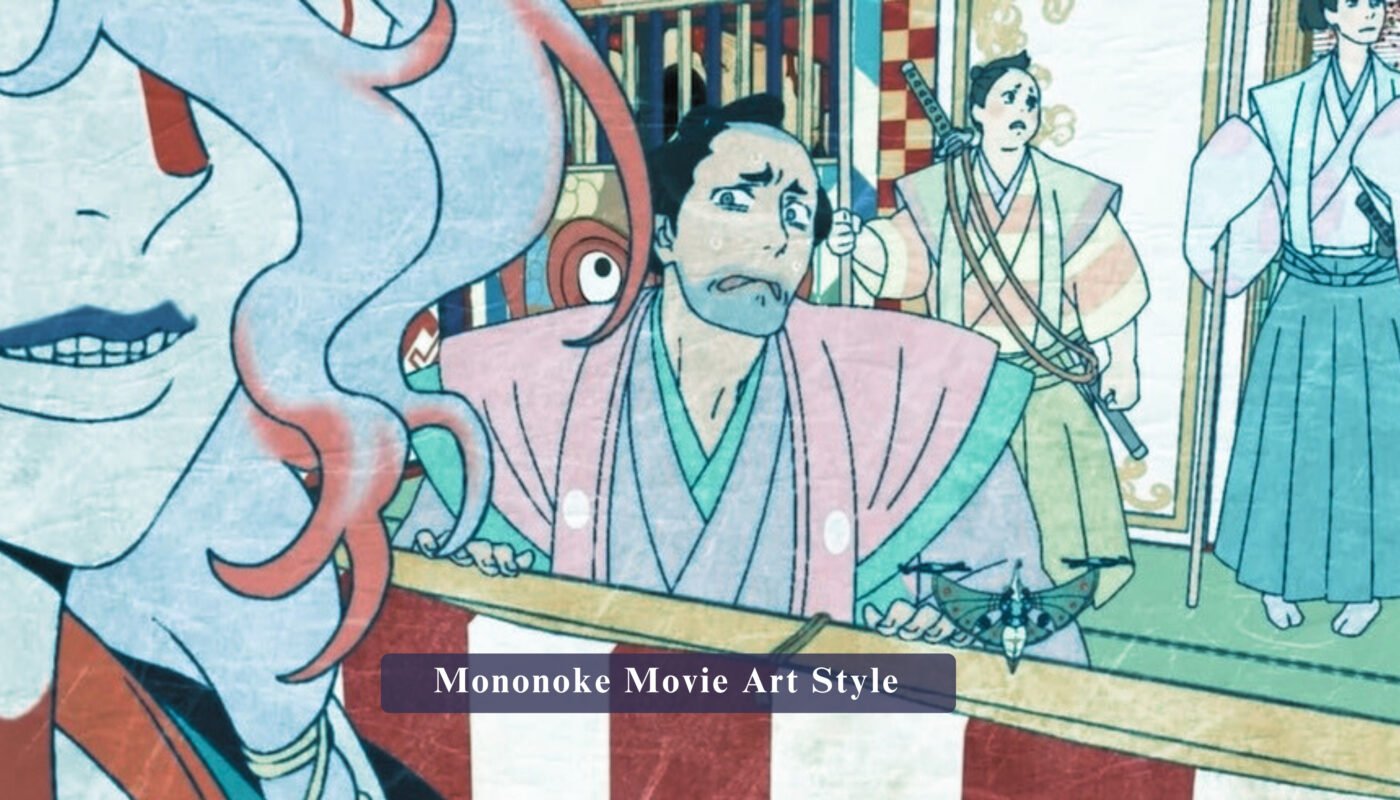
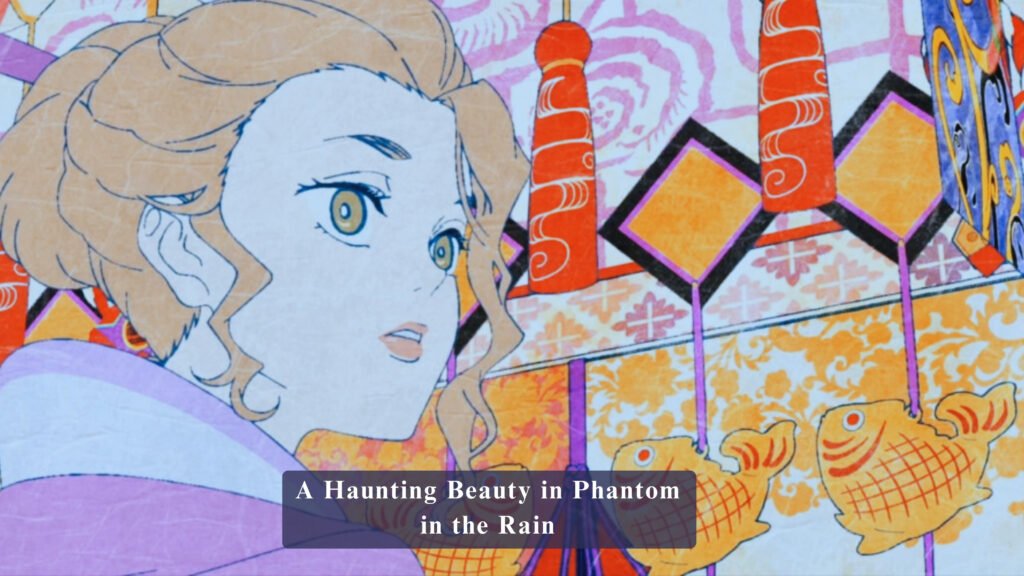
The Mononoke movie art style turns each frame into a living canvas. Unlike most modern anime that strive for realism or dynamic action, Mononoke deliberately uses a flatter, more two-dimensional approach. This is heavily inspired by traditional Japanese Ukiyo-e woodblock prints.
Each background looks hand-painted, with visible brushstrokes and a grainy texture that brings an organic quality to the visual world. The line work, often uneven or sketch-like, reflects the imperfection of human memory and folklore.
Symbolism in Colors and Design
Colors in Mononoke movie art style are not just for aesthetics—they carry emotional and spiritual symbolism. Reds often signify danger, rage, or blood, while blues denote sorrow, calm, or the spiritual realm. Golds and whites are reserved for purity or enlightenment.
The characters’ clothing, room decor, and even fog are colored with intention, giving the viewer a rich psychological map through visual cues alone.
Character Design that Defies Realism
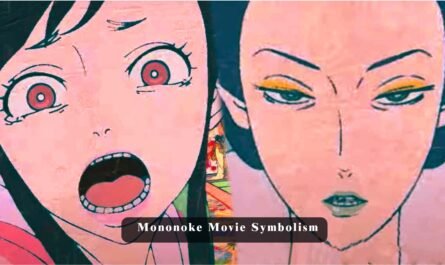
The Medicine Seller, Mononoke’s enigmatic protagonist, stands out with his golden eyes, multicolored hair, and ornamental wardrobe. He doesn’t behave like a traditional hero. His stiff posture and symbolic expressions make him feel more like a kami (spiritual being) than a man. The spirits and humans alike are designed to reflect their inner state—anger, guilt, sorrow—all visible in their exaggerated facial designs.
This surreal character design aligns perfectly with the Mononoke movie art style, where appearance is metaphor, not just design.
Raindrops and Brushstrokes – How Art Heightens Horror
Rain as an Emotional Motif
Rain in Mononoke isn’t just background ambiance—it’s a character. It signifies the weeping of spirits, the cleansing of karma, or sometimes the descent into psychological despair. Raindrops falling across an already smudged background deepen the emotional weight of each frame.
In Phantom in the Rain, rain is almost constant. It mutes the colors of the environment, adds texture to the soundscape, and merges characters into their surroundings, showing how closely tied they are to the world they inhabit.
Visual Transitions that Feel Spiritual
Rather than using standard cuts and edits, Mononoke frequently uses screen wipes, sliding panels, or papery folds to transition between scenes. These techniques are reminiscent of Japanese scroll storytelling and reinforce the idea that we’re not watching reality—we’re experiencing a myth.
One standout scene involves the spirit world breaking through the physical plane, visualized by the background “ripping” like paper to reveal surreal colors and moving textures beneath. This doesn’t just frighten—it unsettles you spiritually.
Architecture and Layout as Storytelling Tools
Mononoke movie art style uses traditional Japanese architecture—sliding doors, wooden corridors, tatami mats—not just for historical accuracy but to evoke claustrophobia and control. Characters move in rigid lines, and the layouts are often symmetrical, which adds to the feeling of ritual and fate.
In haunted spaces, symmetry breaks—furniture appears slightly off-center, paper doors tear unnaturally, or shadows fall in strange directions. All these small choices in the Mononoke movie art style create a subtle psychological discomfort.
The Sound of Sorrow – Audio that Echoes the Spirit World
The Power of Silence in Horror
Modern horror often leans on sudden loud sounds to scare, but Mononoke movie art style takes the opposite route. Long stretches of silence allow the viewer to feel the emptiness, the stillness before something terrible happens. The absence of sound becomes a pressure point.
Silence, when paired with the visuals, gives each shot weight. You’re not just watching a horror story—you’re participating in a spiritual test.
Traditional Instruments and Sound Motifs
The score of Mononoke uses a sparse arrangement of traditional Japanese instruments. Shakuhachi (bamboo flute), shamisen (three-stringed lute), and taiko (drums) are used to communicate mood. These instruments produce raw, ancient sounds that feel otherworldly to modern ears.
Repetitive motifs, like a soft flute loop, often play during scenes of spiritual possession or confession. These motifs are not just musical—they’re narrative symbols.
Whispers, Cries, and Ambient Horror
In Mononoke, the background is filled with subtle audio layers—wind, whispers, faint crying, dripping water. These sounds are rarely foregrounded, but they create a 3D soundscape that makes the viewer lean in, listen harder, and feel more deeply immersed.
One scene has a character walking down a hallway as whispers begin to grow in volume. There’s no jump scare. Just unease, like the air around them has become conscious.
Spiritual Themes and Atmosphere
Folklore as Moral Compass
Every story in Mononoke revolves around a spirit (mononoke) born from intense human emotions—grief, guilt, rage. The Medicine Seller must uncover the spirit’s Form, Truth, and Reason to exorcise it. These are not ghost stories. They are allegories of human suffering and spiritual balance.
The Mononoke movie art style reflects this with surreal visuals: crying walls, bleeding shadows, and skies that twist unnaturally. These visuals are not just for show—they are the spirit’s message to the living.
The Medicine Seller: A Symbol of Balance
He carries a sword he cannot unsheath unless he understands the spirit’s full story. His role is not to fight but to listen, analyze, and bring emotional truths to the surface. His design is also symbolic—his eyes glow golden when he uncovers the truth, representing enlightenment.
Fear Beyond Death
The true horror in Mononoke movie art style is not ghosts—it’s the unresolved emotions that birth them. A woman’s sorrow over a miscarriage, a man’s hidden betrayal, or a family’s suppressed shame—all become spirits. This type of horror is harder to escape from because it’s rooted in everyday pain.
Mononoke’s Place in Horror and Animation History
Redefining What Horror Can Look Like
With its poetic visuals, quiet soundscape, and complex emotional core, Mononoke challenges what we expect from horror. It’s a reminder that horror doesn’t need to be loud or bloody. It can be meditative, slow, and rooted in tradition.
A Case Study for Animators and Artists
For students of animation or direction, Mononoke is a masterclass. The Mononoke movie art style teaches how to:
- Use color symbolically
- Create psychological unease through layout
- Match audio to emotional beats
- Build a world where design equals narrative
A Timeless Experience
Though rooted in historical art and folklore, Mononoke speaks to modern anxieties—emotional repression, inherited trauma, and the weight of silence. Its art style gives these themes a haunting, unforgettable face.
Conclusion: Let the Rain Speak
As a 25-year-old boy watching Mononoke alone on a rainy night, I didn’t expect to be spiritually moved. But I was. The Mononoke movie art style, combined with its eerie sound design and moral depth, transformed a ghost story into something transcendent.
If you love movies that stay with you—not just in memory but in spirit—watch Mononoke. Let it rain. Let it whisper. Let it haunt you into introspection.