 by
by Introduction: Why Medicine Seller Mononoke Deserves Deep Attention
I’ve watched thousands of anime over the past two decades, but Medicine Seller Mononoke has stayed in my memory like a ghost in a dream. Unlike flashy action titles or shallow thrillers, Phantom in the Rain operates on a different frequency — emotional, symbolic, and deeply rooted in human psychology.
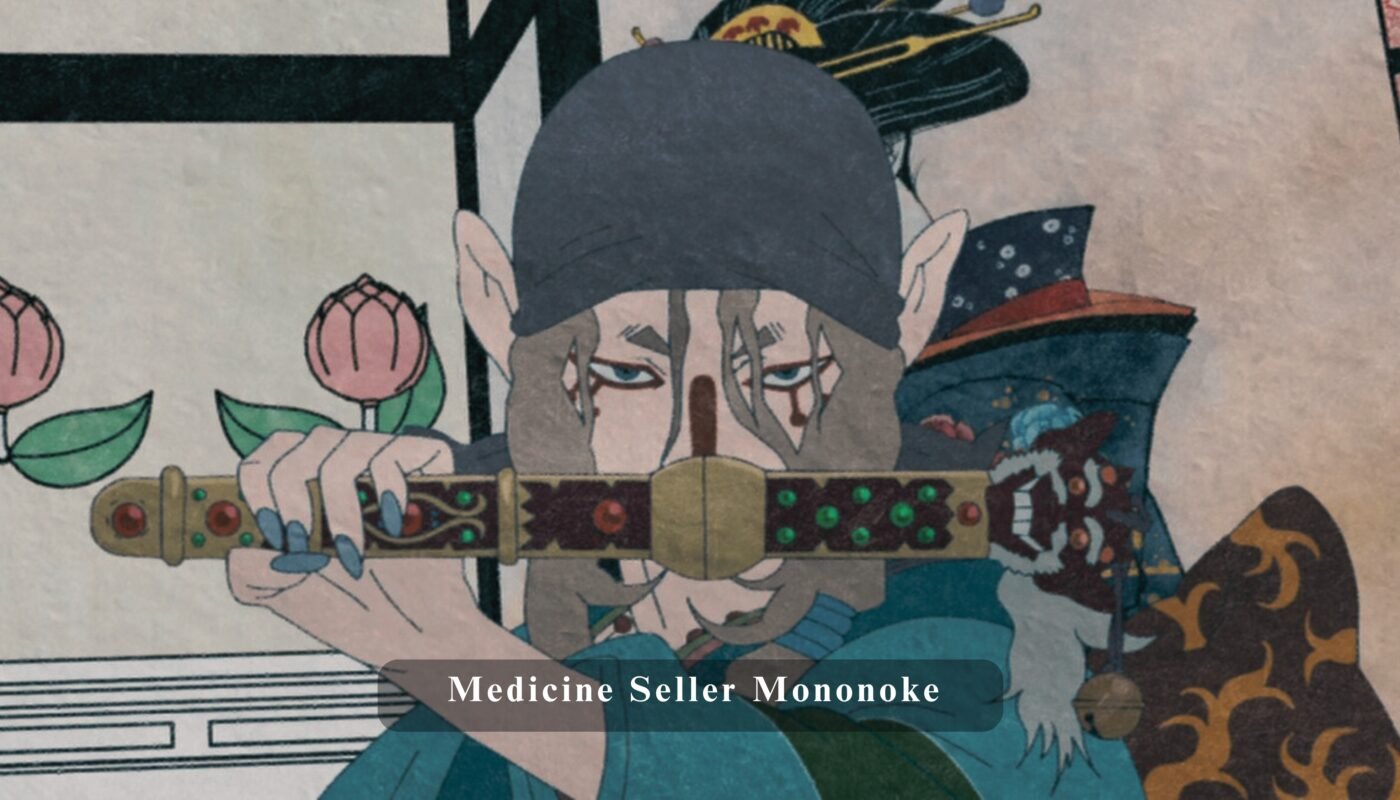
The Medicine Seller, or Kusuriuri, is one of the most unique protagonists in anime history. His approach to conflict isn’t physical — it’s spiritual. He forces characters (and viewers) to face the truths they want to bury. In this post, I’ll walk you through why this film works so powerfully — from its storytelling to its haunting themes.
Who is the Medicine Seller?
At the center of the Medicine Seller Mononoke world stands a man we know little about. His real name? Never revealed. His origin? A mystery. But what makes him fascinating isn’t what we know — it’s what he knows.
The Medicine Seller is a spiritual detective, exorcist, and judge. In every arc of the Mononoke universe, including Phantom in the Rain, his role is the same: to uncover the Form, Truth, and Reason behind a spiritual disturbance — and only then can he draw his sword and exorcise the mononoke.
Unlike most exorcists in fiction, he doesn’t battle ghosts through violence. He exposes them. He reveals pain. In this story, he doesn’t fight a demon — he confronts regret.
The Medicine Seller Mononoke returns in this film to resolve a haunting, one that doesn’t want to be solved. He walks alone. He speaks little. He stares deeply. But when he speaks, people listen — and so should we.
The Rain That Never Stops: Weather as a Symbol of Grief
The rain in this movie is not just aesthetic — it’s thematic. In Medicine Seller Mononoke: Phantom in the Rain, the endless downpour is a metaphor for unspoken pain.
Characters shield themselves under umbrellas, but they remain emotionally soaked. Homes have leaks. Windows blur. The whole town seems to sink under the emotional weight of something they’ve refused to face.
As a viewer, you begin to feel it. That heavy pressure. The sound of water that won’t stop. It’s exhausting — and that’s the point. Regret is like rain. It soaks everything. And no matter how much you try to dry yourself off, you can’t if you don’t face what caused the storm.
The Medicine Seller Mononoke enters this storm with calm confidence. Unlike others, he isn’t afraid of getting wet. He doesn’t avoid the sorrow — he walks straight into it.
The Town as a Prison of Memory
The setting is a decaying Japanese village — not just in architecture, but in soul. The people act normal, but you feel something is very wrong. Smiles seem forced. Routines are robotic. And no one dares speak of a certain event.
It’s as if the entire town is suffering from collective amnesia — not because they’ve forgotten, but because they’ve chosen not to remember. The village in Medicine Seller Mononoke functions like a haunted house, but not one haunted by monsters — it’s haunted by silence.
Every cracked wall, every faded sign, every broken lamp — these are reminders of a past they’ve refused to face. And that’s where the Medicine Seller shines. He picks at those cracks, gently but firmly. He interviews. He observes. And slowly, the town’s secrets begin to leak like the rain through their roofs.
Phantom in the Rain: The Villain with No Face
Most anime villains are loud — flashy powers, scary designs. But in Phantom in the Rain, the villain is formless. That’s because the true antagonist is regret.
This mononoke is not a vengeful ghost looking for revenge. It’s the emotional residue of a tragic memory. Someone was betrayed. Something terrible happened. But no one took responsibility. So the pain lingered — and over time, it became its own spirit. Invisible. Powerful. Resentful.
What makes Medicine Seller Mononoke so brilliant is this shift in how we understand “evil.” It’s not always a person. Sometimes, it’s the result of what we did — or failed to do.
The Medicine Seller doesn’t slay a villain. He helps it speak.
Character Breakdown: How Each Townsperson Represents a Fragment of Guilt
To deepen the theme of shared guilt, the film presents a variety of townspeople:
The Priest: He once suspected something, but chose silence.
The Innkeeper: She was close to the victim but prioritized profit over truth.
The Child: Born after the tragedy, yet raised in its shadow.
Each character in Medicine Seller Mononoke is a mirror. They reflect different ways we avoid truth: denial, distraction, delusion. And each, when confronted by the Medicine Seller, reacts differently — some break down. Others lash out. A few disappear.
These responses feel real. This isn’t anime trying to entertain with jump scares. It’s confronting the dark sides of human nature — especially when we know we’ve failed someone.
The Three Pillars: Form, Truth, Reason
Let’s talk about the ritual at the heart of Medicine Seller Mononoke. He cannot draw his sacred sword unless he uncovers three things:
Form – What is the spirit? How does it appear?
Truth – What event caused it to exist?
Reason – Why does it continue to haunt?
This concept forces the story to be investigative rather than reactive. You’re not just watching action — you’re participating in a spiritual autopsy. Each clue adds weight. Each revelation sharpens the sword.
This structure adds elegance. It’s why Mononoke feels more like classic literature than modern horror.
Animation Style: A Living Painting
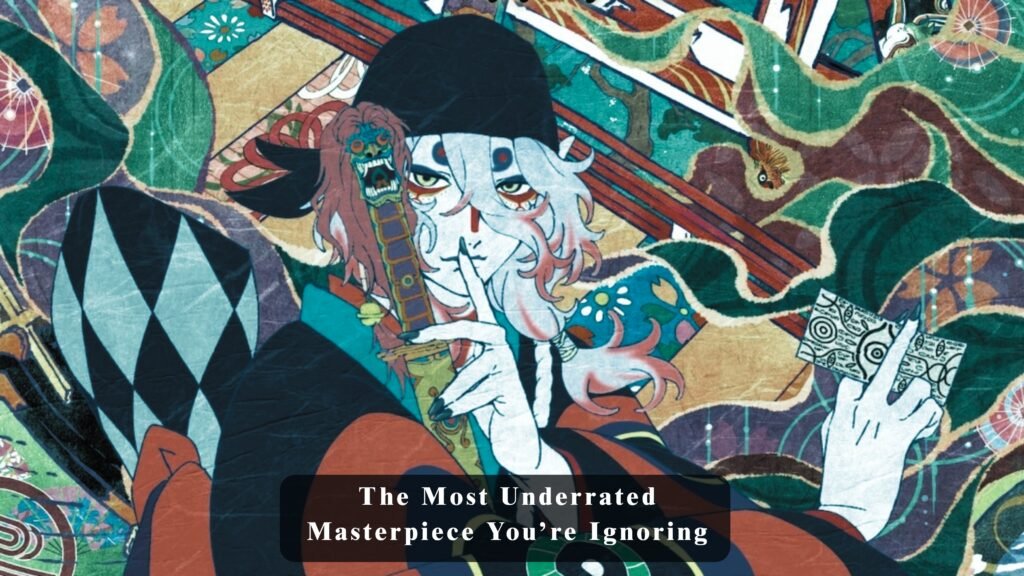
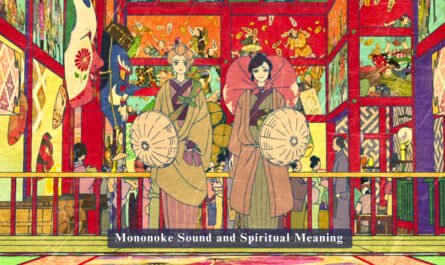
Visually, Medicine Seller Mononoke is unlike anything else. Inspired by ukiyo-e (traditional Japanese woodblock prints), every frame feels like art.
Patterns move. Shadows breathe. Walls ripple with memories. The characters often walk across still canvases where only specific details are animated — like a tear falling, or smoke curling.
This artistic choice makes the story feel timeless. Like a folktale passed down across centuries. It also reinforces the message: this isn’t about flashy visuals — it’s about internal emotion.
Sound and Silence: The True Emotional Landscape
Sound design in Medicine Seller Mononoke is genius. Rain dominates the audio landscape. Music is minimal. When it does appear, it’s subtle — a plucked string here, a soft chant there.
But silence? That’s where the power lies.
The film uses silence to freeze time. To let us sit with the discomfort. When a character remembers the forgotten crime, there’s no scream. Just a pause. A breath. A drop of rain.
That’s the Mononoke style. It doesn’t tell you how to feel. It creates space so you can feel it yourself.
The Climax: Releasing the Sword, Releasing the Past
The final scene is breathtaking. After revealing the full truth — a girl betrayed, a town complicit, and a pain buried too deep — the Medicine Seller unleashes his sword.
But there’s no violence. The mononoke isn’t killed — it’s acknowledged.
A voice cries out. Rain finally begins to clear. The spirit disappears — not in anger, but in peace.
This is the emotional peak of Medicine Seller Mononoke. Healing doesn’t come from punishment. It comes from truth.
What This Film Says About Our World
Even though it’s set in old Japan, Phantom in the Rain speaks to today.
How often do communities ignore the suffering of the vulnerable?
How many institutions bury truth to save face?
How many of us live under emotional rain we pretend isn’t falling?
This film teaches that until you confront the emotional weather, you’ll never dry off.
Closing Thoughts: Why Medicine Seller Mononoke Is a Masterpiece
As a blogger who’s reviewed anime for over a decade, I say this confidently:
Mononoke The Movie: Phantom in the Rain is one of the most profound animated films ever made.
It teaches without preaching. It heals without judging. And in the Medicine Seller, it gives us a hero who doesn’t destroy evil — he understands it.
If you watch one anime this year, make it this one. Let it rain. Let it speak. Let it cleanse.
If You Interested in anime blog click here for more blog…