 by
by When I walked out of the theater after watching Maa Movie, I felt an unsettling weight settle in my chest—one that didn’t fade even as I stepped into the daylight. This wasn’t the usual horror that makes you double-check dark corners before bed. Instead, it was a lingering unease, the kind that quietly creeps into your thoughts and refuses to leave, forcing you to question grief, memory, and the thin line between the living and the dead.
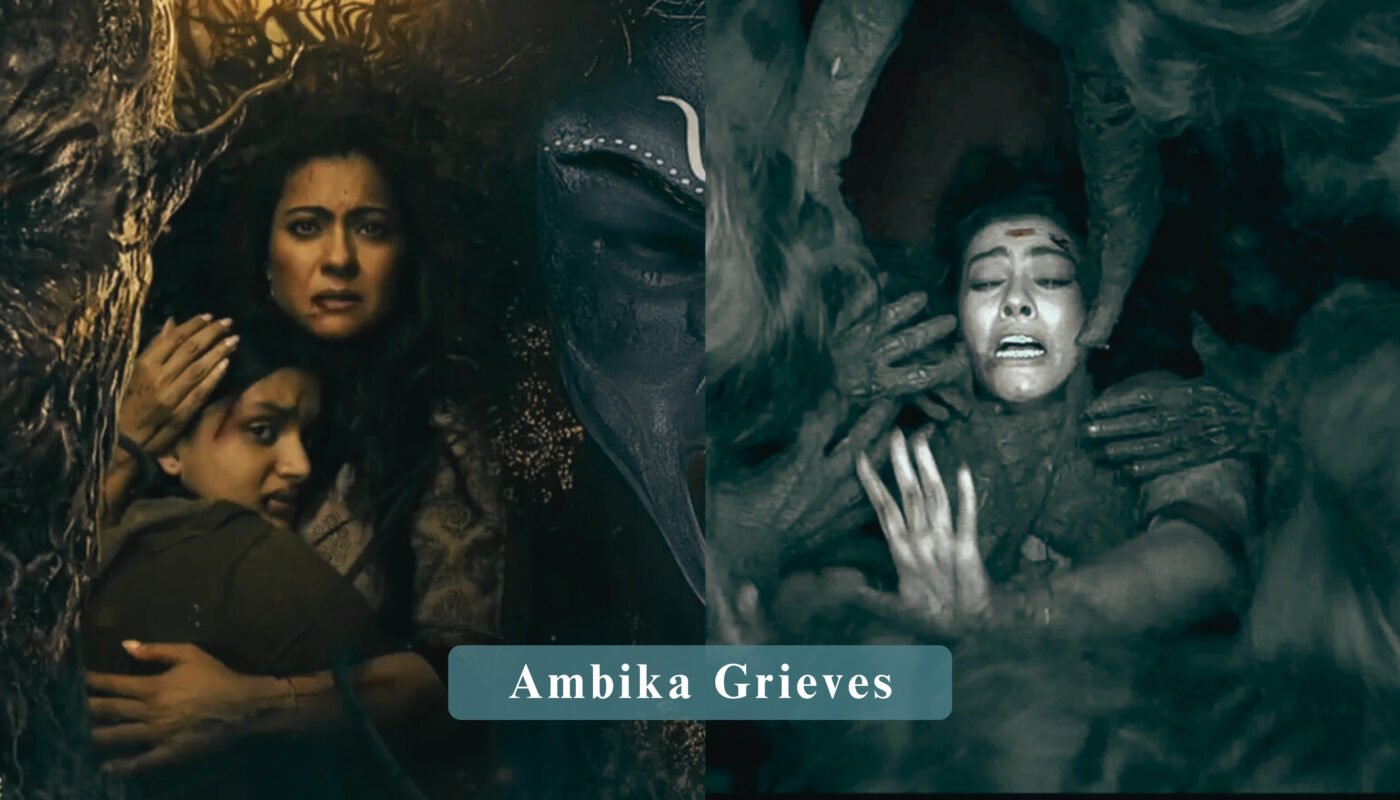
The film opens with Ambika, a recently widowed woman whose silence spoke louder than any scream could. In one of the first scenes, I watched her sit motionless in her dimly lit room, her gaze fixed on her late husband’s photograph. The only sound was the steady ticking of an old wall clock. No sobs, no words—just a hollow stillness that felt painfully real.
What struck me immediately about Maa Movie was its restraint. It didn’t dramatize Ambika’s pain; it simply let us sit with it. We see her in small, quiet moments—placing fresh flowers before her husband’s portrait, cooking meals she doesn’t eat, wandering through her home as if she were half-asleep in her own life. Her sorrow wasn’t loud; it was suffocatingly quiet, like a ghost haunting her every step.
Maa Movie: The Call to Return – A Letter That Changed Everything
Ambika’s life takes an unexpected turn when she receives a cryptic letter. It contains just one chilling sentence: “Come home before it’s too late.” That moment changed everything, and I remember feeling my stomach twist, knowing this was where her past and present would collide.
She boards a worn-out bus to her ancestral haveli, and I could almost feel her hesitation through the screen. As the countryside rolled past the window, there was this unshakable tension in her eyes—a mix of dread and curiosity. Why now? Why her? The movie pulls us into those questions so naturally that I found myself leaning forward, desperate for answers right alongside her.
Maa Movie: Arrival at the Haveli – Where Memories Refuse to Die
The haveli’s first reveal is nothing short of breathtaking—and deeply unsettling. When Ambika steps off the bus and stands before it, I felt a chill. The towering wooden doors groaned against their hinges, ivy strangled the cracked walls, and the courtyard—once full of life—was eerily silent, like a forgotten tomb.
Inside, the cinematography was hypnotic. Sunlight streamed in through broken windows, lighting up dust particles that floated like tiny ghosts in the air. Old portraits stared down from peeling walls, their faded eyes almost alive. Even without dialogue, the atmosphere screamed of secrets buried deep.
When Ambika found her childhood bedroom unchanged, I felt a lump in my throat. Her old toys still sat on dusty shelves, frozen in time. It was as though the house had been holding its breath, waiting for her return. Then came the attic scene—one of the most chilling parts of Maa Movie.
She climbs the creaking stairs with a trembling lantern, and the room is filled with relics—ritualistic idols, locked trunks, and faded letters. When she unlocks a trunk and pulls out a bundle of letters tied in red thread alongside a ceremonial dagger, I swear I felt goosebumps crawl up my arms. These weren’t just objects; they were fragments of a buried history begging to be uncovered.
Maa Movie: The Disappearances – Whispers of a Curse
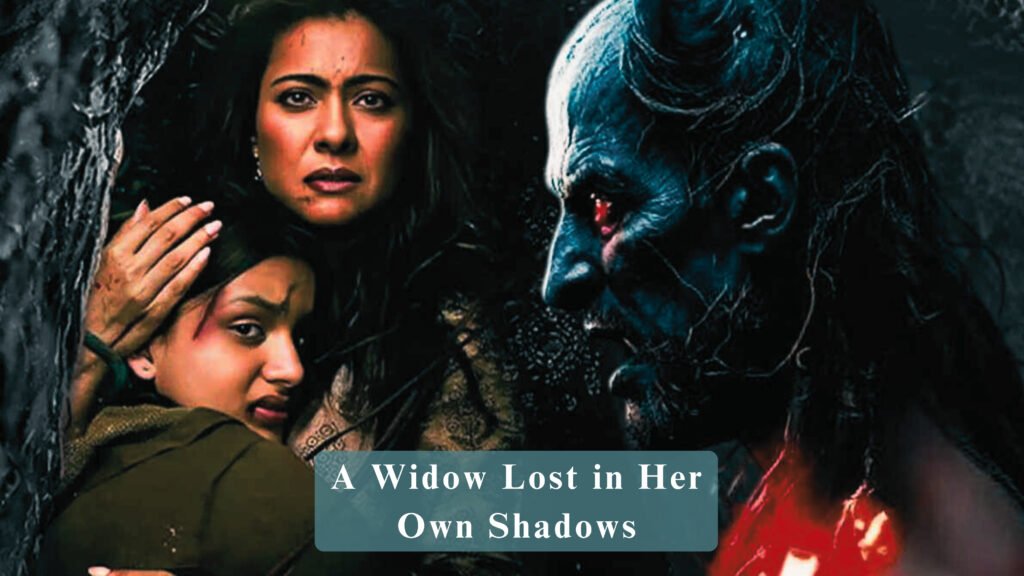
The horror deepens when Ambika learns about young girls disappearing from the village. The fear among the locals is palpable, and their suspicion quickly turns toward her bloodline. Their glares follow her everywhere, their hushed voices dripping with old superstitions and anger.
One night, Ambika hears faint crying from the nearby forest. I held my breath as she walked into the darkness with just her lantern, every crunch of leaves beneath her feet louder than it should’ve been. When she discovered a torn piece of fabric hanging from a tree marked with strange symbols, my heart raced. It felt raw and terrifyingly real.
This is when Maa Movie hit its stride—the supernatural dread was no longer distant; it was pressing down on every moment. Ambika’s search leads her to horrifying truths: the missing girls are victims of a centuries-old pact, sacrifices meant to appease a vengeful spirit tied to her family’s bloodline.
Maa Movie: The Spirit’s Wrath – Hauntings That Hit Too Close
As Ambika digs deeper, the hauntings grow relentless. Shadows move when no one’s there. Whispers snake through the empty corridors of the haveli. In one scene that’s burned into my mind, Ambika stares into a mirror only to see the spirit’s reflection standing behind her, whispering her name with chilling intimacy.
These moments didn’t feel cheap or forced—they built dread slowly, piece by piece, until I felt like I was suffocating alongside her.
Maa Movie: The Final Confrontation – A Battle for Redemption
The climax is nothing short of breathtaking. Ambika, armed with her ancestral dagger and a prayer from the letters, confronts the spirit in the courtyard on a storm-ravaged night. Flames flicker wildly, the wind howls through broken arches, and then—finally—the spirit appears in her full, terrifying form.
We learn her name: Amritha. She was betrayed and murdered by Ambika’s ancestor, and her wrath has cursed every generation since. Ambika drops to her knees, begging for forgiveness, offering herself as atonement.
The spirit’s rage softens. In one of the most hauntingly beautiful moments I’ve seen in any horror film, Amritha dissolves into light, whispering, “The curse ends with you.”
The missing girls are found unconscious but alive. The villagers, once hostile, now bow their heads to Ambika in gratitude. But the film doesn’t end with peace—it lingers in unease. As Ambika locks the haveli behind her and walks away, a single shadow flickers in a window. My stomach dropped. Was it truly over?
My Experience with Maa Movie
When the credits rolled, I just sat there, frozen. Maa Movie wasn’t just horror—it was grief, guilt, and redemption woven into something chillingly intimate. It left me thinking not just about ghosts, but about the invisible scars families pass down, the curses that aren’t supernatural at all, but born of betrayal, shame, and silence.
This film stayed with me because it was more than a scare—it was a story about facing the darkness we inherit, about making peace with ghosts both literal and emotional. Ambika’s journey felt painfully human, and that’s what made Maa Movie unforgettable for me.