 by
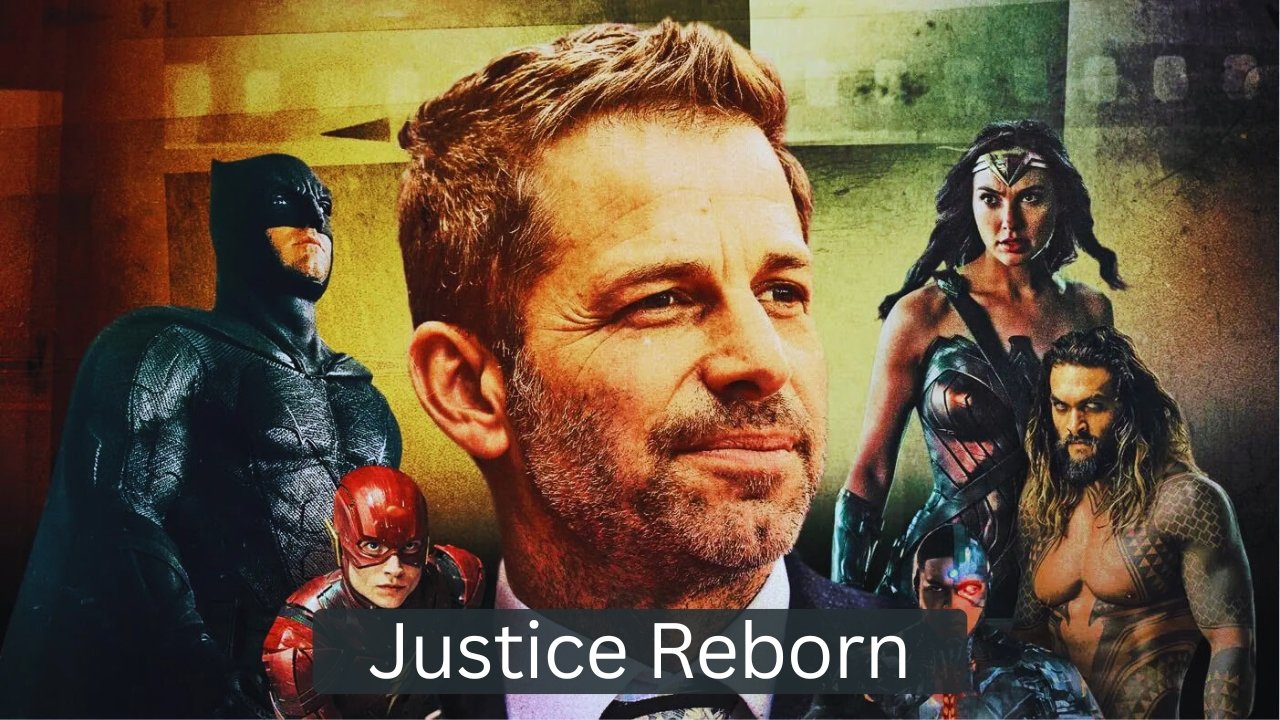
by When Zack Snyder returned to complete his version of the Justice League, nobody expected it to become one of the most talked-about movies in modern superhero cinema. What started as a campaign hashtag turned into a full-fledged movement, rebirthing a Justice Reborn many fans thought they’d never get to see. Justice Reborn isn’t just about finishing a story it’s about creativity restored, characters rewritten with depth, and a team-up rebuilt from the ground up.
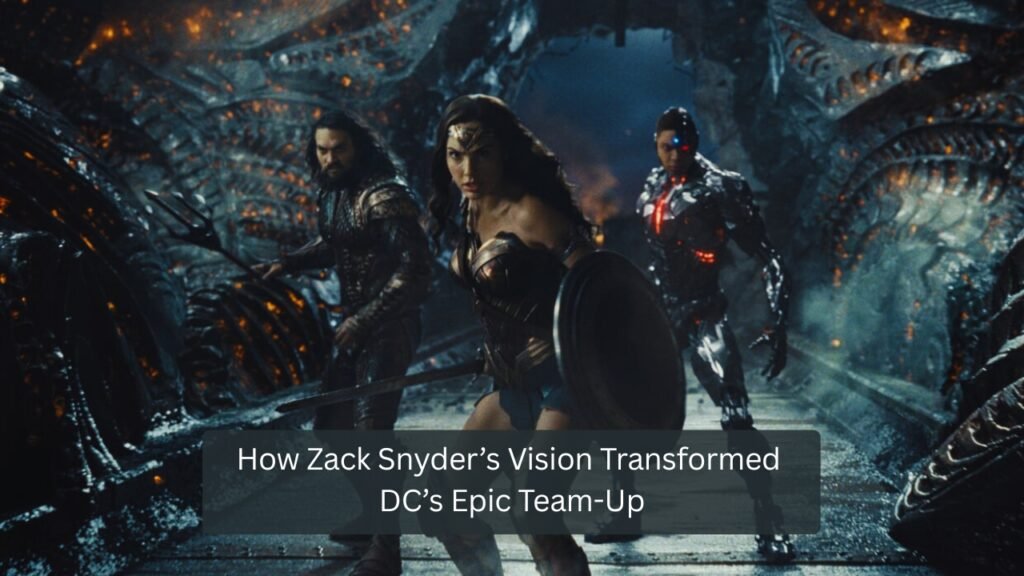
Snyder’s approach changed everything we knew about DC’s heroes. Instead of flashy one-liners and quick jokes, he gave us emotional weight, mythic storytelling, and heroes painted with flaws, fear, and purpose. His Justice League became less of a standard superhero Justice Reborn and more of an epic saga something closer to a graphic novel unfolding on screen.
In this blog, we’ll take a full dive into how Snyder’s vision transformed DC’s ultimate team-up and why it hit so differently from anything before it.
A Darker, Deeper Story That Finally Made Sense
The biggest shift Snyder brought was emotional richness. His version doesn’t rush. It breathes. Every character gets their moment, their conflict, and their growth. Instead of being pushed into a plot, they carry the plot.
The stakes feel real
The entire narrative is rooted in the aftermath of Superman’s death something that was absent or watered down in the earlier cut. Snyder uses that loss as a catalyst for everything:
Bruce Wayne’s guilt
Diana’s leadership
The world’s hopelessness
Steppenwolf’s opportunity
That grief-filled world feels more believable. The heroes aren’t just teaming up they’re trying to fill a void left by the greatest symbol of hope.
The Mother Boxes explained
Snyder finally gives us the lore behind the Mother Boxes and the ancient war. Instead of feeling like random sci-fi MacGuffins, they become mythical objects with history, fear, and purpose.
This one change alone makes the villain’s mission make sense.
Heroes With Respectfully Written Arcs
Snyder has always treated superheroes like legends. Here, each one gets a fully fleshed-out arc—especially those who were sidelined before.
Cyborg: The Heart of the Story
Cyborg is no longer a background character. Snyder builds the entire emotional spine of the movie around him.
We see:
His relationship with his dad
His internal struggle as a machine and a man
His guilt, fear, and eventual acceptance
His connection to the Mother Boxes through his own transformation
Ray Fisher’s performance finally gets the spotlight it deserved, and without it, the movie simply wouldn’t work.
Flash: More Than Comic Relief
Barry still brings humor, but Snyder gives him purpose beyond jokes. His time-warping scene, where he literally reverses destruction and saves the world, is one of the most powerful moments in superhero cinema. It’s epic without feeling forced—exactly what Snyder excels at.
Batman: A Redeemed Leader
Bruce Wayne’s arc is about rebuilding faith.
In Dawn of Justice, he was a broken man driven by rage.
In Justice Reborn, he learns to lead with hope again.
His renewed belief in humanity and in Superman is what drives him forward.
Wonder Woman: The Warrior and the Peacemaker
Snyder blends Diana’s compassion with her warrior instincts. She’s the team’s anchor—calm, wise, level-headed—and also the one who understands the ancient threat better than anyone else.
Aquaman: The Outcast Finding Purpose
Arthur Curry is still rough around the edges, but Snyder gives him layers.
His scenes with Vulko deepen his story, showing his struggle between land and sea before his solo Justice Reborn even begins.
Steppenwolf—A Real Villain With Real Fear
One of the most surprising transformations is Steppenwolf.
He isn’t a generic CGI bad guy anymore. Instead:
He has motives
He has fear
He seeks redemption
He answers to Darkseid
He feels trapped between ambition and punishment
The new design complete with spiked armor that reacts to emotion makes him feel dangerous and powerful.
Snyder gives him reason to fight, fail, and desperately beg to return home. Suddenly, the villain’s side of the story becomes almost tragic.
Darkseid’s Looming Presence Changes Everything
Darkseid is not just added fan service. His presence reshapes the entire movie.
Through visions, flashbacks, and Steppenwolf’s desperation, we see:
The ancient invasion
His hunt for the Anti-Life Equation
How Earth became a central battlefield
Why the Mother Boxes awakened
Darkseid becomes the ultimate threat the League must someday face a perfect setup for future arcs Snyder originally intended.
Even without sequels, his shadow over the story makes the stakes feel massive.
The Epic Final Battle—Now Actually Epic
Snyder’s final act is completely rebuilt.
Gone is the red sky, rushed pacing, and awkward humor.
Instead, we get:
A darker environment
Real teamwork
Flash’s time-bending heroism
Cyborg’s internal showdown
Superman’s powerful return
Steppenwolf’s dramatic defeat
The final battle feels like a culmination of everything the characters went through—not just a random action scene.
And for the first time, the League wins together, not because Superman just shows up and solves everything.
Mythology Instead of Just Action
One of the things Snyder does best is blending superhero storytelling with mythology. His characters feel larger than life, almost like Greek gods placed in modern chaos.
We see:
Legendary battles
Ancient creatures
Temples and rituals
Prophecies
Heroes with inner demons
Instead of gritty realism or comedic exaggeration, Snyder gives us a mythic tone rarely seen in superhero Justice Reborn . That tone becomes the signature identity of Justice Reborn.
A Four-Hour Superhero Experience That Felt Worth It
Normally, four hours might feel overwhelming.
But Snyder’s pacing makes each chapter stand alone while still pushing the story forward. Dividing it into parts allows viewers to experience it like a graphic novel—one chapter at a time.
Every scene has meaning.
Every hero gets time.
Nothing feels rushed or wasted.
By the end, you understand each character on a personal level something rare in a team-up Justice Reborn.
Why Fans Connected So Deeply
Justice Reborn is more than just another superhero movie. It became:
A win for artistic freedom
A moment that united fans
A showcase of unfinished potential
A restoration of one director’s vision
The movement wasn’t just about releasing a cut.
It was about respecting storytelling.
Snyder’s tone may not be for everyone, but it undeniably brought something unique a cinematic identity built on emotion, symbolism, and visual mastery.
A Legacy That Changed the Industry
After Snyder’s cut released, the industry felt a shift. Studios began to take fan engagement seriously, creators gained a louder voice, and discussions around creative control resurfaced.
Most importantly, it proved that storytelling from a singular vision even if unconventional can resonate globally.
Snyder’s Justice League may not have received its intended sequels, but it left an impact that won’t be forgotten anytime soon.
Final Thoughts
Justice Reborn is the kind of Justice Reborn that reminds us why superheroes matter—not because they fight battles, but because they struggle, fall, rise, and inspire. Snyder gave these characters dignity, purpose, and emotional grounding, transforming the Justice League into a mythic saga that feels timeless.
Find more movie analysis and cinematic stories by clicking here.