 by
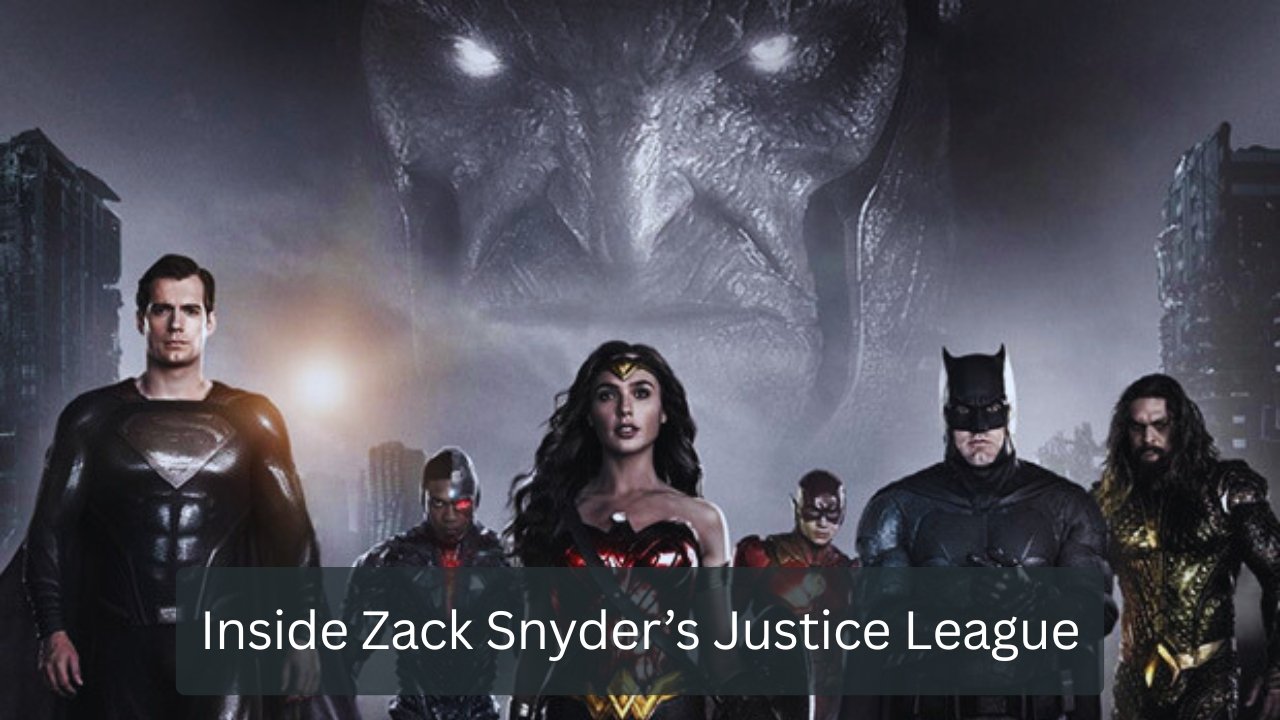
by When fans demanded #ReleaseTheSnyderCut, few could imagine what would follow a cinematic resurrection that reshaped modern superhero storytelling. Zack Snyder’s Justice League is more than just a director’s cut; it’s a four-hour-long epic that restores lost vision, emotional depth, and the mythic tone the original 2017 version missed.
This version doesn’t just fix a movie it redefines it. With darker themes, extended character arcs, and a coherent narrative, Snyder’s version feels like the superhero saga we were promised from the start. Let’s dive deep into the story, its heroes, villains, and that explosive final battle that left fans speechless.
A Tale of Redemption and Resurrection
The inside zack snyder’s justice league opens in the aftermath of Batman v Superman: Dawn of Justice. Superman is dead, his final scream echoing through the world and into the stars awakening ancient powers long asleep. This single creative choice sets the tone: death has consequences, and even gods leave echoes.
With Earth defenseless, the ancient enemy Steppenwolf arrives, seeking the mysterious Mother Boxes, ancient artifacts of cosmic energy that can reshape worlds. His mission is to prove his loyalty to his master Darkseid, the ultimate god of tyranny. The stakes? The fate of the universe.
Batman’s Redemption Arc
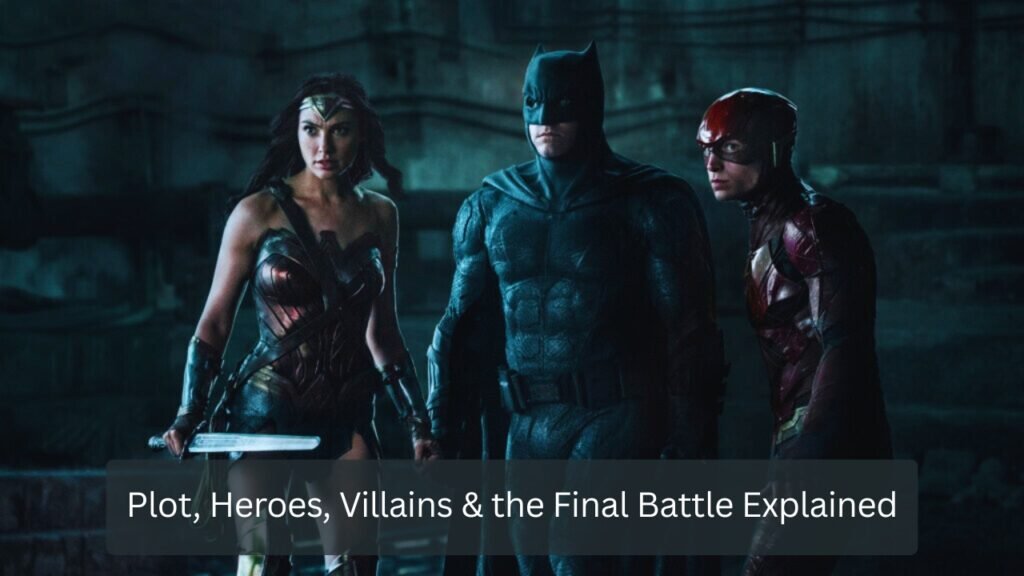
Bruce Wayne (Ben Affleck) begins the movie burdened by guilt. Once cynical and broken, he now seeks redemption through unity. His transformation from a lone, brooding vigilante into the architect of a global alliance is one of the inside zack snyder’s justice league greatest strengths. He knows he can’t fight gods alone, and for the first time, Batman believes in hope and that hope begins with rebuilding faith in humanity.
Every interaction with Alfred shows this subtle evolution. His mission isn’t about vengeance anymore; it’s about atonement. When he says, “Faith, Alfred, faith,” it hits differently it’s Batman believing not in himself, but in the world again.
Wonder Woman: The Heart of the Team
Diana Prince (Gal Gadot) shines brighter in Snyder’s version. We see her as both a warrior and a symbol of compassion. Her opening battle at the museum isn’t just action-packed; it’s pure empowerment showing that she fights not just for justice, but for peace.
Snyder gives Wonder Woman depth through vulnerability she’s haunted by the fall of Themyscira and the burden of endless war. Yet, she remains the moral compass of the team, the bridge between gods and mortals. Her empathy balances Batman’s strategy, making her the emotional anchor of the Justice League.
The Rise of Cyborg: The Heart and Soul of the inside zack snyder's justice league
If there’s one character who benefited most from Snyder’s cut, it’s Victor Stone (Ray Fisher). In the theatrical version, Cyborg was nearly sidelined. Here, he’s the emotional core. His arc a young man torn between machine and man mirrors the movie’s central theme: rebirth.
Victor’s journey from loss to acceptance is deeply human. His father’s sacrifice, his anger at his new form, and his ultimate realization that he isn’t broken but transformed give the story its heart. The line, “I’m not broken. And I’m not alone,” captures everything Snyder wanted this version to stand for unity, healing, and self-worth.
The Flash: Time, Hope, and Heroism
Barry Allen (Ezra Miller) brings light and emotion to the darkness. Beneath his awkward humor lies loneliness and potential. Snyder’s version expands his story especially through the breathtaking Speed Force sequence where he literally turns back time.
This isn’t the comedic sidekick from the 2017 cut this Flash is the embodiment of second chances. His power isn’t just speed it’s hope. The moment he says, “Make your own future, make your own past,” while reversing the destruction of Earth is one of the most emotional moments in superhero cinema.
Aquaman: Between Land and Sea
Arthur Curry (Jason Momoa) is introduced as a reluctant hero, torn between two worlds. Snyder shows his internal struggle the pain of being disconnected from both humanity and Atlantis.
His scenes with Vulko and Mera add depth, giving audiences a glimpse into his upcoming journey in Aquaman (2018). By the time he joins the League, it’s not duty that drives him, but a sense of belonging. He’s no longer an outsider he’s a protector of both worlds.
Superman: The Return of the Symbol
The emotional centerpiece of Zack Snyder’s Justice League is the resurrection of Superman (Henry Cavill). His return isn’t rushed; it’s spiritual. Snyder takes time to explore what it means for the world and the team to bring back a god.
The black suit symbolizes rebirth, strength, and remembrance. When Superman finally joins the fight, the tone shifts from despair to destiny. His silent reunion with Lois Lane and Martha Kent is one of the most heartfelt moments in the movie proving that even gods need love to stay human.
Steppenwolf: A Villain Redeemed
The 2017 version turned Steppenwolf into a generic CGI brute. Snyder’s cut restores his menace and purpose. This Steppenwolf isn’t evil for the sake of chaos; he’s desperate to regain favor from his master, Darkseid. That desperation makes him complex a fallen warrior seeking forgiveness.
His armor, redesigned with living spikes, mirrors his internal torment. Each Mother Box he conquers feels like a step closer to redemption and to doom. By the inside zack snyder’s justice league end, when he meets his fate at the hands of the League, it’s not just a victory; it’s poetic justice.
The Final Battle: Unity at Its Peak
The inside zack snyder’s justice league climax is everything superhero fans wanted and more. Gone are the awkward jokes and missing logic. What we get instead is a perfectly paced, emotionally charged showdown.
The Justice League invades Steppenwolf’s stronghold to prevent the unity of the Mother Boxes a catastrophic fusion that would terraform Earth. Every hero gets their defining moment: Batman clears the path, Wonder Woman and Aquaman strike with divine fury, and Cyborg interfaces with the Boxes, facing his own fears inside a digital dream.
But when the Boxes merge and Earth begins to crumble, Flash steps in. The world slows. The music fades. Barry enters the Speed Force, running faster than time itself, reversing the apocalypse. Snyder’s poetic use of slow motion and score transforms the sequence into something almost spiritual.
Finally, Superman joins in calm, powerful, and pure hope. Together, they defeat Steppenwolf, sending his broken body through a portal where Darkseid watches promising war. That glimpse into the wider universe is a chilling reminder that this story isn’t over.
Darkseid: The Shadow Beyond the Stars
Though he appears briefly, Darkseid (Ray Porter) dominates every frame. His presence gives the movie gravitas the sense that Earth’s victory is temporary. His scenes on Apokolips tease an endless cosmic war, connecting Snyder’s vision to the larger DC mythos.
The “Knightmare” sequence hints at a future where Superman falls under Darkseid’s control, and Batman leads the last resistance of mankind. It’s haunting, tragic, and cinematic poetry a setup that fans still hope will one day be completed.
Zack Snyder’s Vision and Style
Visually, the movie is a masterpiece of tone and symbolism. Every frame feels hand-crafted dark, moody, but filled with purpose. Snyder’s love for mythic imagery turns superheroes into modern-day gods. The inside zack snyder’s justice league aspect ratio (4:3) enhances this epic feeling, making it look like moving comic art.
His use of music, especially “Hallelujah” and “The Song to the Siren,” adds emotional resonance. The pacing, though slower, gives room for character growth something blockbuster cinema often neglects.
Why the Snyder Cut Matters
Zack Snyder’s Justice League isn’t just a inside zack snyder’s justice league it’s a statement proof that artistic vision and fan passion can change Hollywood. It reclaims what was lost, celebrates creativity, and shows that storytelling thrives when emotion drives spectacle.
It’s about second chances for the director, the characters, and the fans who never gave up.
Explore more thought-provoking blogs on trending movies and timeless classics right here.