 by
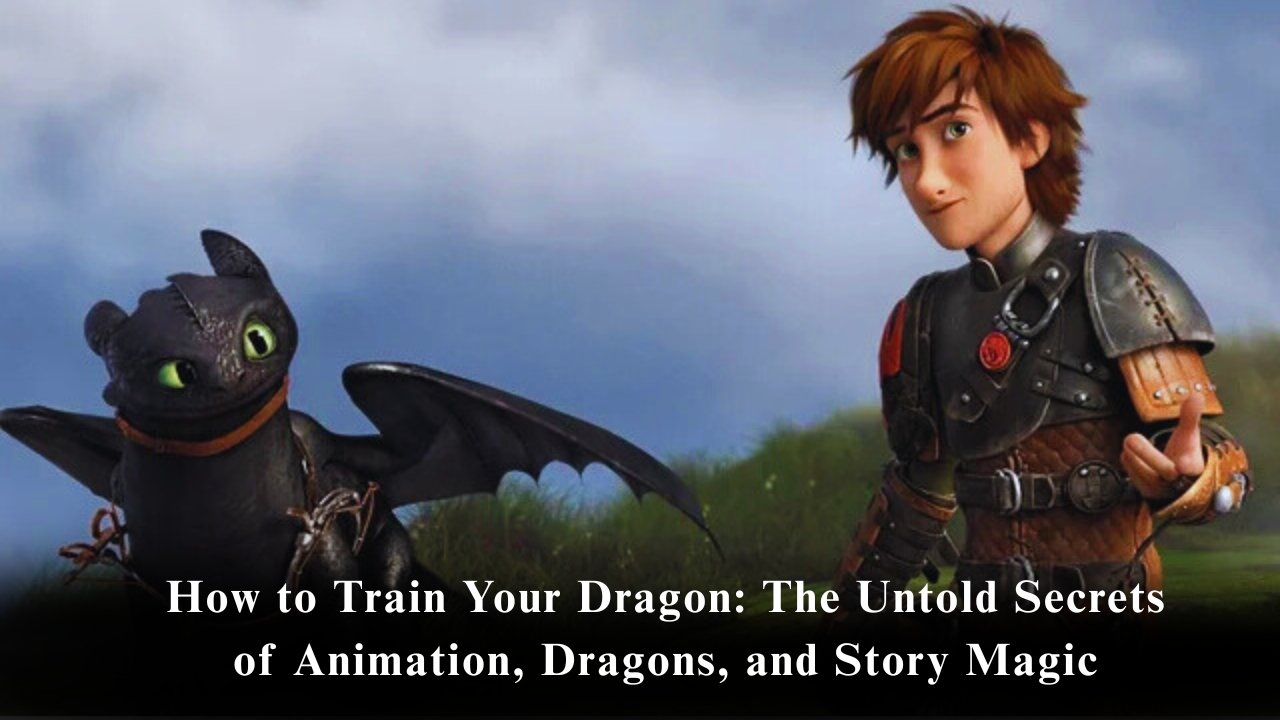
by When it comes to animated films that have captured the hearts of audiences worldwide, How to Train Your Dragon stands tall as a masterpiece. From its breathtaking animation to the intricately designed dragons and the emotionally resonant story, this franchise has redefined what modern animation can achieve. For fans and film enthusiasts alike, understanding the magic behind How to Train Your Dragon offers a glimpse into the painstaking craftsmanship, creativity, and storytelling brilliance that has made it a global phenomenon.
The Birth of How to Train Your Dragon
The journey of How to Train Your Dragon began with the beloved book series by Cressida Cowell. While the books were charming and whimsical, DreamWorks Animation sought to expand this universe, creating a visually stunning and emotionally engaging cinematic experience. The film premiered in 2010 and immediately stood out for its ability to balance humor, heart, and high-quality animation.
From the start, the creators of How to Train Your Dragon faced the challenge of translating Cowell’s playful illustrations into a living, breathing world. Vikings, dragons, and the sweeping landscapes of Berk had to feel authentic while still maintaining a magical, fantasy-inspired aesthetic. This process involved countless storyboarding sessions, animation tests, and conceptual art iterations. The result was a vibrant, immersive world that felt real, despite its fantastical elements.
The success of How to Train Your Dragon can be attributed not only to its stunning visuals but also to its deep emotional core. At the heart of the story is Hiccup, a young Viking who defies expectations and discovers friendship in the unlikeliest of places — a dragon named Toothless. This central relationship resonates universally, teaching lessons of empathy, courage, and understanding differences.
The Magic Behind Animation in How to Train Your Dragon
One of the most remarkable aspects of How to Train Your Dragon is its animation. The film seamlessly blends CGI with traditional animation techniques, creating a visually dynamic experience. DreamWorks Animation utilized state-of-the-art technology to make the world of Berk feel alive.
Animating dragons posed a unique challenge. Unlike humans, dragons do not exist in real life, so the animators had to invent natural movements that made each species believable. Toothless, the Night Fury, required particular attention. His design was sleek and cat-like, enabling a range of expressive movements and emotional cues. The animators studied animals like cats, horses, and birds to create a sense of realism in Toothless’s motions.
Moreover, the flying sequences in How to Train Your Dragon set a new benchmark for animation. Each flight had to account for aerodynamics, character weight, and the dragons’ personalities. The animators used dynamic camera angles and sweeping landscapes to give audiences the exhilarating sensation of soaring through the skies alongside Hiccup and Toothless.
Lighting and textures also played a crucial role in the film’s visual storytelling. Fire from dragons, reflective water surfaces, and detailed landscapes required painstaking attention to detail. By combining artistic vision with advanced technology, the animation team ensured that every scene in How to Train Your Dragon felt cinematic and immersive.
Designing Dragons: Creativity Meets Storytelling
Dragons are the heart and soul of How to Train Your Dragon. Each dragon species in the franchise is distinct, not only in appearance but also in behavior and abilities. From the fierce Red Death to the playful Deadly Nadder, the dragons are characters in their own right, complete with personality traits that complement the story.
Toothless, as the franchise’s central dragon, exemplifies this design philosophy. His expressions convey a range of emotions, from curiosity to joy to frustration, allowing audiences to connect with him on a deeply emotional level. The animators’ ability to imbue Toothless with a sense of sentience is a testament to their skill and creativity.
Other dragons required similarly detailed conceptualization. The designers considered anatomy, movement, and interactions with the environment. For instance, dragons that breathe fire had unique facial musculature to accommodate flames, while those that fly required aerodynamically plausible wing structures. This level of detail made the dragons believable and allowed the filmmakers to explore complex storylines involving dragon-human interaction.
The variety of dragon designs also contributed to world-building. In How to Train Your Dragon 2, audiences were introduced to new species with unique powers and personalities. Each dragon’s design served a narrative purpose, emphasizing the diversity and richness of the dragon-filled universe.
Storytelling Brilliance in How to Train Your Dragon
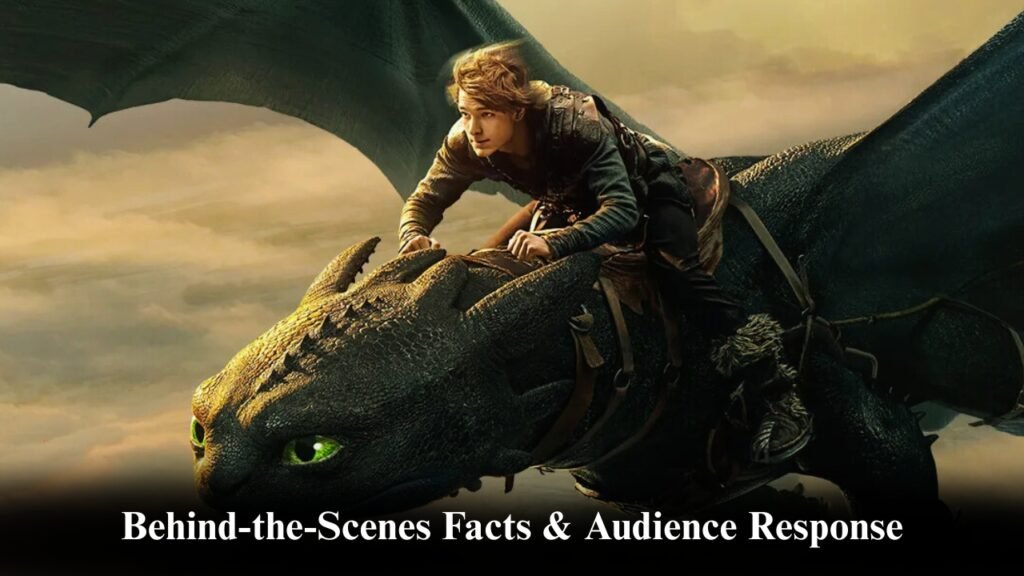
At its core, How to Train Your Dragon is a story about growth, friendship, and understanding. The plot centers on Hiccup’s journey from an insecure young Viking to a courageous hero who changes his village’s perception of dragons. This narrative structure resonates universally, appealing to children and adults alike.
The film balances humor, adventure, and emotional depth masterfully. Scenes of action-packed dragon battles are interspersed with moments of quiet introspection, giving the audience time to connect with the characters. The storytelling also emphasizes empathy — Hiccup’s ability to see dragons as friends rather than threats challenges conventional norms, teaching viewers the importance of compassion.
The franchise also excels in character development. Hiccup grows from a socially awkward teen into a responsible leader, while Toothless evolves from a wild creature into a loyal companion. Supporting characters, like Astrid and Stoick, are equally well-developed, providing additional layers to the narrative. This combination of rich character arcs and immersive world-building is a key reason why How to Train Your Dragon remains beloved years after its release.
Voice Acting and Music: Breathing Life into Characters
Voice acting in How to Train Your Dragon is integral to its success. Jay Baruchel, who voices Hiccup, brings a perfect blend of vulnerability and determination to the character. Similarly, Gerard Butler as Stoick adds gravitas and warmth to the Viking chief, while America Ferrera’s Astrid is strong, witty, and relatable.
Music also plays a crucial role. Composer John Powell crafted a sweeping, emotionally resonant score that complements the film’s visual storytelling. From soaring orchestral themes during flight sequences to tender melodies highlighting character relationships, the music enhances the emotional depth of the story.
Together, voice acting and music create a fully immersive experience. Audiences not only see the characters but also feel their emotions, strengthening the connection between the story and the viewers.
Cultural Impact and Fanbase of How to Train Your Dragon
The impact of How to Train Your Dragon extends beyond the screen. The franchise has inspired toys, video games, theme park attractions, and even stage shows. Its influence can be seen in the popularity of dragon-themed media and the enduring fascination with mythical creatures.
Fans of all ages have embraced the characters, particularly Toothless, whose unique design and expressive personality make him instantly memorable. Online communities share fan art, theories, and discussions about the films, keeping the franchise alive between sequels. The movies have also inspired educational content, encouraging interest in animation, storytelling, and even mythology.
Sequels and spin-offs, such as How to Train Your Dragon 2 and the animated series Dragons: Race to the Edge, expand the universe, exploring new adventures while retaining the heart and magic of the original. The franchise’s ability to grow while maintaining quality storytelling demonstrates the careful planning and dedication of the creators.
Behind the Scenes Secrets
Behind every frame of How to Train Your Dragon is a story of dedication, creativity, and innovation. Animators worked tirelessly, often experimenting with different dragon designs and animation techniques to achieve the perfect balance between realism and fantasy. Storyboards were revised countless times, ensuring that every scene contributed to the narrative and emotional resonance.
Directors Dean DeBlois and Chris Sanders have shared that many of the film’s most iconic moments were inspired by real-life experiences and interactions between humans and animals. For example, Toothless’s playful behavior draws heavily from cats and dogs, allowing audiences to connect with him intuitively.
The franchise also broke new ground in animation technology. Flying sequences, in particular, required innovative camera work and simulation techniques to give viewers a sense of weightless movement and freedom. This behind-the-scenes magic is a significant reason why How to Train Your Dragon feels alive and immersive.
Conclusion: The Lasting Legacy of How to Train Your Dragon
How to Train Your Dragon is more than just an animated film; it is a testament to the power of storytelling, creativity, and imagination. Through stunning animation, memorable dragons, and emotionally rich narratives, the franchise has left an indelible mark on both audiences and the animation industry.
By blending technical innovation with heartfelt storytelling, How to Train Your Dragon has set a new standard for animated films. Its universal themes of friendship, courage, and empathy continue to inspire viewers of all ages, ensuring that the magic of Hiccup, Toothless, and the world of Berk will endure for generations to come.