 by
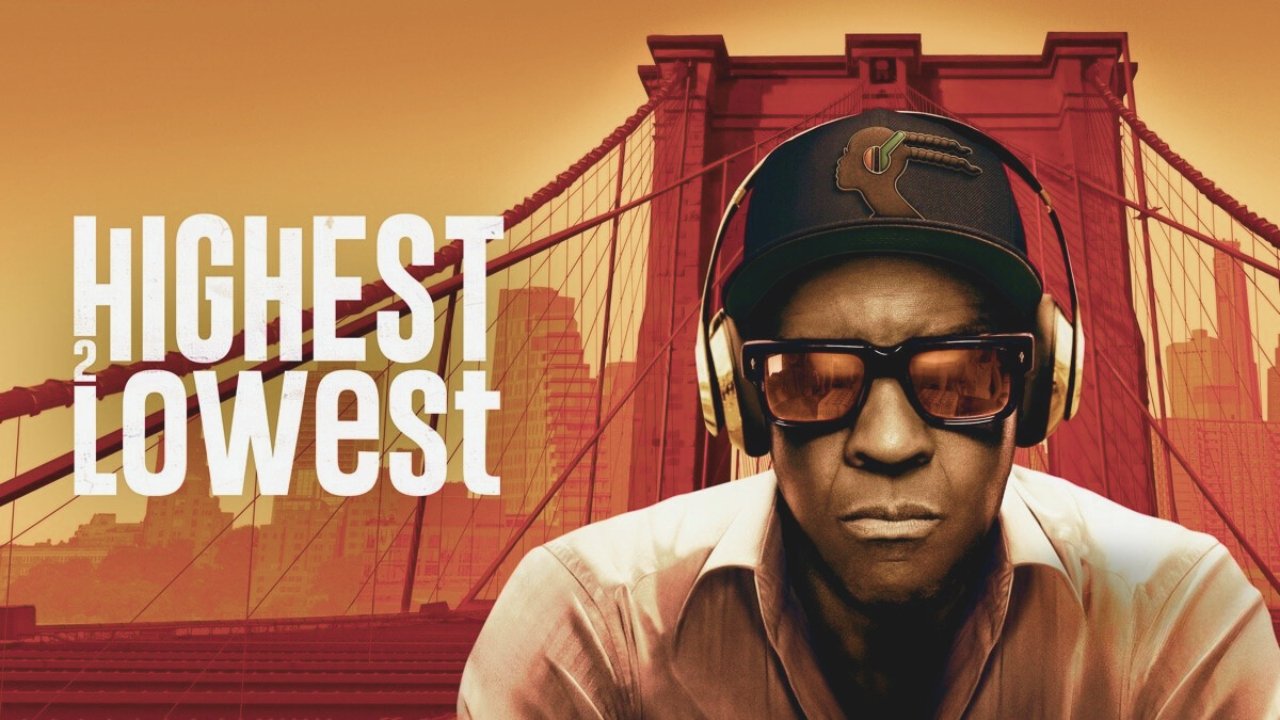
by The story follows David King, a wealthy music mogul in New York City. His life spirals into chaos when his chauffeur’s son is kidnapped by mistake. This critical error forces King to confront his moral values and sense of justice, as he must decide how far he is willing to go to resolve the situation.
Spike Lee’s direction emphasizes the stark divide between wealth and poverty, using atmospheric cinematography to highlight social contrasts. The film thoughtfully explores themes of morality, responsibility, and societal inequality. Highest 2 Lowest stands out as a powerful drama that challenges viewers to reflect on human compassion and the true cost of material excess in the modern world.
Plot Summary
Highest 2 Lowest follows the intense story of David King, a highly successful music mogul living in New York City. Known for his wealth and influence, King enjoys a life of luxury, surrounded by power and privilege. However, his world is turned upside down when he receives a ransom demand, believing his own son has been kidnapped. As the situation unfolds, a shocking twist emerges — the kidnapper has actually abducted the chauffeur’s son by mistake. This unexpected revelation creates a moral and emotional dilemma for King, as he faces a difficult decision between saving his own wealth and status or helping the innocent child. The story delves deep into themes of class disparity, exposing the stark contrast between the affluent and the underprivileged. As the pressure mounts, King is forced to reevaluate his values, exposing the dark side of privilege and highlighting the human struggle between self-interest and compassion.
Themes and Analysis
Wealth and Morality
In Highest 2 Lowest, wealth and morality form the central tension of the story. David King, a successful music mogul, is confronted with a moral dilemma when faced with the kidnapping of a child he believes to be his own. Initially, his response is driven by fear, urgency, and a desire to protect his family and fortune. However, as the narrative unfolds, King must grapple with deeper ethical questions: How much is human life worth compared to material wealth? What sacrifices are justified in the name of family and social status? The film challenges viewers to consider the moral responsibilities of the affluent and the consequences of prioritizing wealth over ethical values, showing that true morality often requires difficult choices that transcend personal gain.
Class Disparities
Highest 2 Lowest highlights the stark contrasts between the affluent and the underprivileged. While King enjoys a life of luxury, the kidnapper comes from a background shaped by poverty, hardship, and limited opportunities. Spike Lee uses this contrast to examine systemic societal issues such as inequality, desperation, and social neglect. By showing the motivations and struggles of the lower class, the film emphasizes that crime and extreme actions are often rooted in circumstance rather than inherent immorality. The juxtaposition of opulent mansions against impoverished neighborhoods reinforces the message that societal divides can create both tension and moral complexity in human interactions.
Family and Loyalty
Family and loyalty are pivotal themes in the film. The kidnapping tests the bonds between King and his own son, as well as between him and his chauffeur’s family. The narrative explores how loyalty can be challenged under extreme circumstances, revealing trust, commitment, and moral responsibility. Through these relationships, the film shows that true compassion and devotion often transcend social status and wealth. In the end, Highest 2 Lowest demonstrates that family is not just defined by blood, but by the strength of bonds, empathy, and the choices individuals make in times of crisis.
Character Development
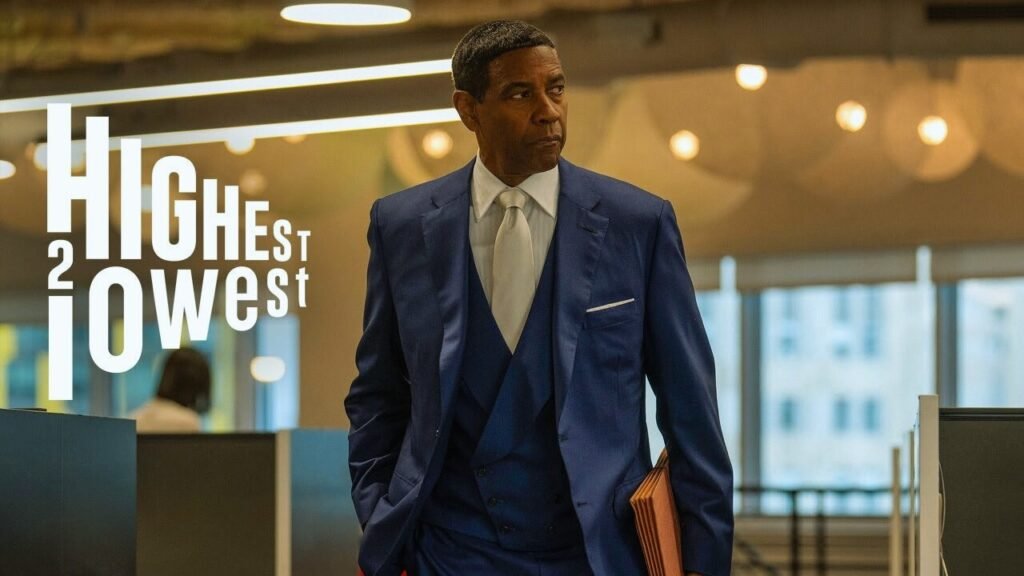
In Highest 2 Lowest, character development plays a crucial role in driving the narrative and highlighting the film’s themes. David King, portrayed by Denzel Washington, undergoes significant transformation throughout the story. Initially depicted as a self-centered and affluent music mogul, King is forced to confront ethical dilemmas and the value of human life when faced with a kidnapping crisis. Washington masterfully captures King’s internal struggle, showing his evolution from prioritizing wealth and status to genuinely caring about the well-being of others.
The kidnapper, as the antagonist, is presented with a detailed backstory that provides context for his desperate actions. This nuanced portrayal allows viewers to understand the social and personal pressures that lead him to commit the crime, adding complexity to the conflict. Additionally, the supporting characters, including the chauffeur and his son, enrich the narrative by representing ordinary individuals caught in extraordinary circumstances. Together, these character arcs enhance the emotional depth and moral complexity of the film.
Cinematography and Direction
In Highest 2 Lowest, Spike Lee’s direction and the film’s cinematography work together to create a visually compelling and immersive experience. Lee skillfully uses New York City’s urban landscape to add authenticity and atmosphere, contrasting the bustling, often harsh streets with the luxury and sophistication of the affluent world. The cinematography emphasizes this disparity, capturing both the gritty realism of the city and the opulence of King’s lifestyle. Through careful framing, lighting, and camera movement, Lee reinforces the film’s central themes of wealth, morality, and class disparity, making the environment an active participant in the storytelling.
Music and Soundtrack
In Highest 2 Lowest, music and soundtrack play a vital role in shaping the film’s emotional landscape. The carefully curated score blends multiple genres, from suspenseful orchestral pieces to contemporary urban tracks, reflecting the tension and drama of the storyline. Each composition is strategically placed to heighten key moments, whether it’s the intensity of the kidnapping, the moral dilemmas faced by David King, or the emotional interactions between characters. The soundtrack not only complements the visuals but also deepens audience engagement, adding layers of resonance and nuance to the narrative. Overall, the music amplifies the film’s mood, themes, and storytelling impact.
Reception and Critique
Upon its release, Highest 2 Lowest garnered a range of critical responses, reflecting both praise and critique. Denzel Washington’s performance was widely acclaimed, with reviewers highlighting his ability to convey the internal conflict and moral complexity of David King. Critics also appreciated Spike Lee’s direction and the film’s thoughtful exploration of social issues such as class disparity, morality, and family loyalty. However, some reviewers noted that parts of the plot felt predictable or followed familiar crime thriller conventions. Despite these criticisms, the film succeeded in sparking meaningful discussions about its themes, character development, and the ethical questions it raises, solidifying its impact on audiences.
Conclusion
Highest 2 Lowest is a gripping and thought-provoking film that goes beyond the conventions of a typical crime thriller. Through Spike Lee’s skilled direction and Denzel Washington’s compelling performance, the movie explores profound themes such as morality, wealth, class disparity, and the true meaning of family and loyalty. The narrative challenges viewers to reflect on ethical dilemmas and societal inequalities while delivering intense suspense and emotional depth. With its powerful storytelling, nuanced characters, and striking visual and musical elements, Highest 2 Lowest stands out as a film that entertains while prompting meaningful reflection on human values, compassion, and the choices we make in extraordinary circumstances.