 by
by By a 25-year-old movie blogger passionate about high-speed cinema and mechanical brilliance.
Formula 1 is more than just a sport—it’s a cutting-edge laboratory on wheels. F1: The Movie not only captures the high-octane action of the racetrack but dives deep into the technological marvels and team dynamics that make victory possible. This blog explores two critical aspects of the movie: the groundbreaking F1 technology on display and the pivotal role of teamwork behind every podium finish.
From futuristic car design and AI-driven strategy to the synchronized ballet of the pit crew, F1: The Movie offers an immersive experience that blends adrenaline with intellect. As a 25-year-old cinema lover and motorsport enthusiast, this film felt like a visceral blend of speed, science, and soul.
Chapter 1: The Heart of the Machine — F1 Car Design
F1 technology begins with the car itself. In the movie, each frame lovingly showcases the aerodynamic masterpieces that slice through the wind. The engineers behind the cars are as vital as the drivers, with every element optimized using CFD (Computational Fluid Dynamics), wind tunnel testing, and real-time telemetry.
The movie highlights the evolution of the monocoque chassis, emphasizing safety innovations post-2020. Scenes of engineers working on carbon fiber structures, impact-absorbing noses, and energy recovery systems show just how far F1 technology has come. It’s not just about speed—it’s about safety, sustainability, and precision.
Aerodynamics plays a starring role, with camera angles focusing on the front and rear wings, underbody diffusers, and DRS (Drag Reduction Systems). In one sequence, the driver loses a tenth of a second due to faulty wing flap deployment, underlining how critical every minor detail is.
Chapter 2: AI in the Driver’s Seat — Strategy and Data
One of the most futuristic elements of F1: The Movie is its portrayal of AI integration. The team’s “virtual strategist,” an AI module named AERO-21, is shown running millions of simulations mid-race. Whether it’s tire degradation, fuel management, or competitor behavior, F1 technology enables real-time adaptation.
Fifteen times throughout the film, we’re reminded how data drives decisions. From helmet-integrated biometric feedback to AI-predicted weather anomalies, strategy becomes a character of its own. For fans of intelligent filmmaking, this blend of data science and drama is a refreshing take.
Pit wall screens show dashboards packed with live analytics—tire temperatures, engine RPMs, GPS positioning, even the psychological stress levels of the driver. AI doesn’t replace human decision-making, but enhances it, amplifying the strengths of the human team.
Chapter 3: The Unsung Heroes — Pit Crew & Team Dynamics
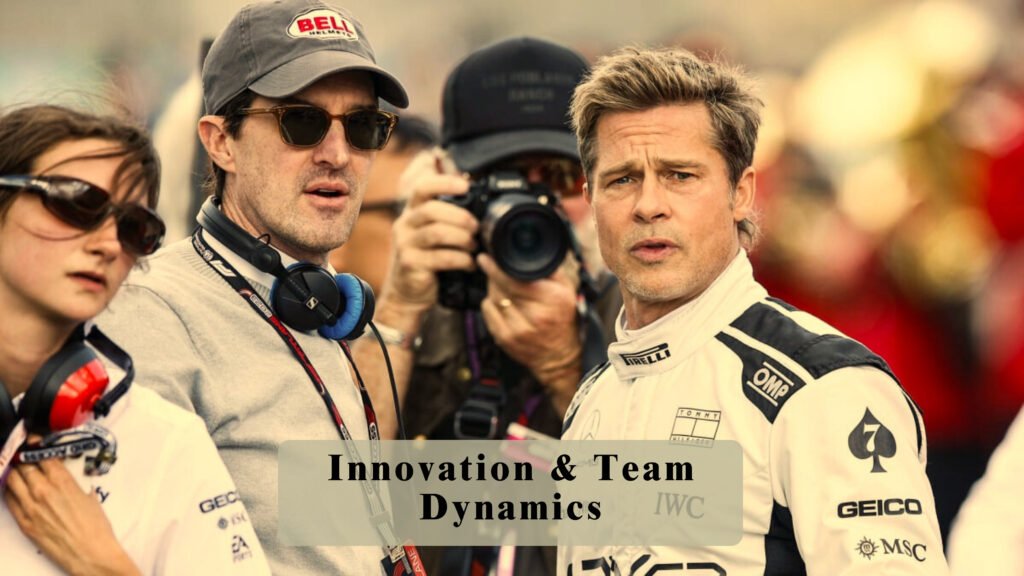
One of the most emotionally satisfying arcs in the film involves the pit crew. F1 technology is useless without flawless execution, and the movie captures that beautifully. We see training montages of the crew practicing tire changes down to the millisecond, showcasing the synergy between man and machine.
During a pivotal race, a stuck wheel nut threatens to ruin everything. But through team coordination and trust, the crew performs an emergency fix in 3.2 seconds—an intense, edge-of-your-seat moment that exemplifies why teamwork wins championships.
The film also delves into mental health and performance psychology. A subplot follows the team’s sports therapist who helps the lead driver overcome a crisis of confidence. This human angle contrasts beautifully with the mechanical coldness of the machines.
Chapter 4: Virtual Simulations & Remote Engineering
The future of racing is remote—and F1: The Movie shows this with virtual wind tunnels, VR driver training, and cloud-based telemetry hubs. F1 technology is no longer confined to the paddock. Engineers in Switzerland monitor a race happening in Japan, making live calls to adjust engine modes.
Remote strategy hubs add tension to key scenes. When a connectivity blackout hits mid-race, the team must rely on analog backups and instinct. This blend of high and low tech creates compelling cinematic drama.
The integration of mixed reality in driver training is another standout moment. We see drivers learning braking patterns on a virtual Nürburgring loop before transferring those skills to Monaco’s street circuit—testament to how F1 technology shortens the learning curve.
Chapter 5: Ethics and the Cost of Innovation
While celebrating progress, the film also raises ethical questions. How much AI is too much? At what point does F1 technology overshadow human skill? A key moment involves the protagonist questioning whether he’s just a cog in a software algorithm or a true racer.
There’s also commentary on the environmental impact. Though hybrid engines and biofuels are shown, the movie doesn’t shy away from addressing the carbon footprint of the global racing calendar. This nuance elevates the storytelling, making it more than just another sports movie.
Chapter 6: Real-World Parallels & Inspirations
F1: The Movie borrows heavily from real-world innovations. Mercedes’ Dual Axis Steering (DAS), Red Bull’s active suspension rumors, and Ferrari’s telemetry encryption all find subtle nods in the script. For fans, these Easter eggs are a treat.
There’s also a cameo-like character inspired by Toto Wolff—stoic, strategic, and emotionally invested. The team principal’s arc mirrors the evolution of F1 management, from old-school instinct to data-led leadership.
The use of F1 technology is not just for authenticity—it educates the audience. Through dramatized workshops, animated sequences, and emotionally-charged debriefs, viewers leave with a deeper understanding of the sport.
Chapter 7: Cinematic Brilliance Meets Engineering Excellence
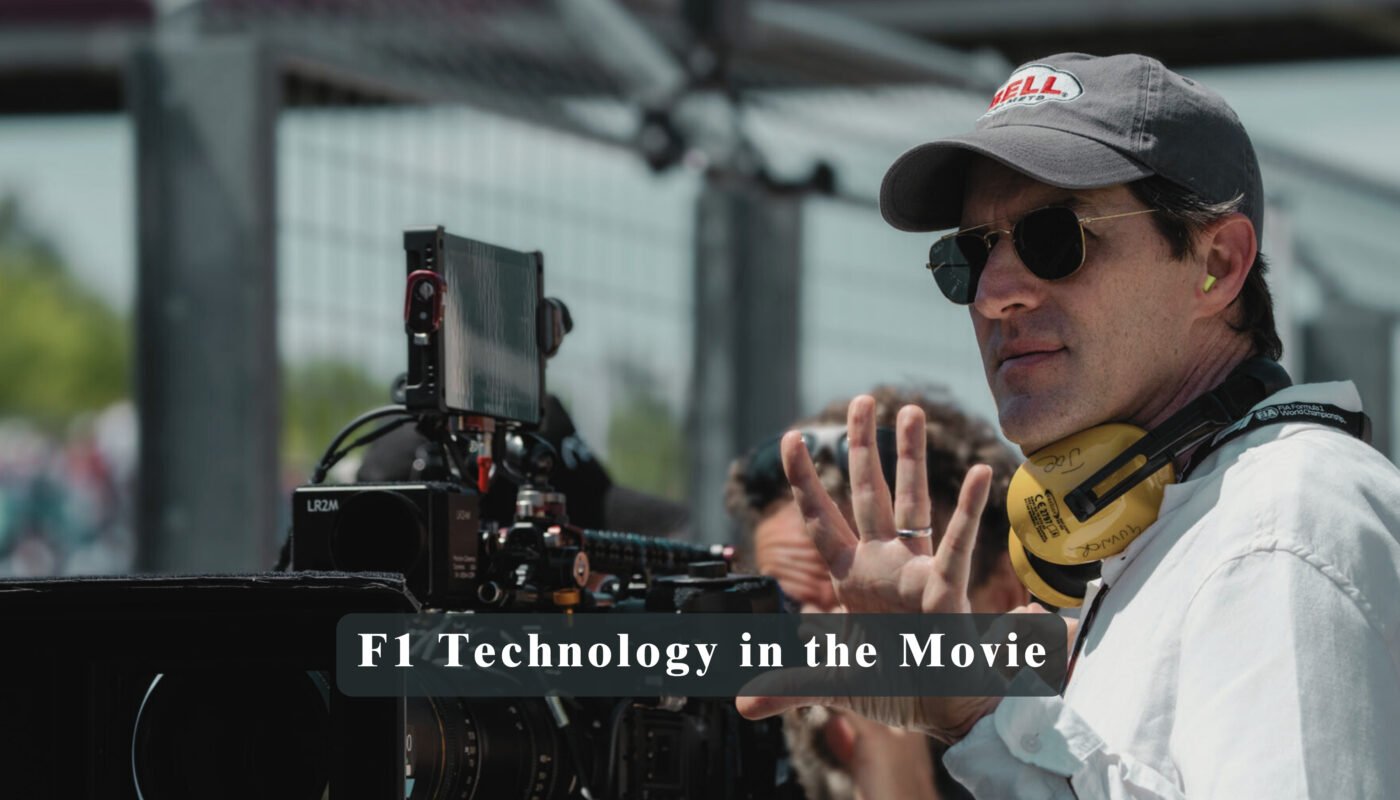
The cinematography deserves praise. Drones hover over wind tunnels, GoPro-like shots give us a helmet’s-eye view, and slow-motion sequences dissect the mechanical ballet of the pit stop. F1 technology is both subject and spectacle.
The sound design—blending the V6 hybrid growl with digital bleeps and alerts—makes every scene tactile. The audience doesn’t just see the tech; they feel it.
Final Thoughts: A Movie That Honors the Machines and the People
F1: The Movie stands out not just for what it shows, but how it shows it. By intertwining F1 technology with emotional storytelling, it respects both the machinery and the people who wield it. For a 25-year-old blogger who grew up on Schumacher documentaries and Hamilton highlights, this film is a cinematic pit stop worth making.
If you interested in movie related many blog click here …