 by
by Hey there, I’m a 25-year-old guy who loves diving deep into movies that challenge your imagination and make you think. Today, I’m talking about a film that isn’t just a blockbuster — it’s an experience. I’m talking about “Dune” (2021), directed by Denis Villeneuve. This blog isn’t just another review. It’s a journey into why Dune is more than just a sci-fi movie. It’s a cinematic masterpiece that redefines the genre, especially for people like us who crave both entertainment and meaning.
1. What Makes "Dune" Stand Out?
Most sci-fi movies today are fast-paced, action-packed, and heavy on CGI. While that’s fun, Dune takes a different route. It’s slow, meditative, and visually poetic. Villeneuve doesn’t rush through scenes. He lets them breathe. You feel the desert, the politics, the silence. And that’s exactly why it stands out.
Where other movies try to explain everything to the audience, Dune respects our intelligence. It trusts us to immerse ourselves in its world without holding our hand. That’s refreshing, especially when most blockbusters spoon-feed the audience.
But it’s not just about pacing. It’s about depth. The kind of depth that invites repeated viewings. Every time you watch it, you pick up on something new—a gesture, a symbol, a moment of silence that speaks volumes.
2. The Source Material — A Legendary Foundation
The movie is based on Frank Herbert’s 1965 novel Dune, one of the most influential sci-fi books of all time. It shaped the future of science fiction — inspiring everything from Star Wars to Game of Thrones. But until 2021, it was considered “unfilmable” because of its complex story, world-building, and philosophical depth.
The original book dives into ecological issues, religious manipulation, and human evolution. It’s a layered text that demands attention. Villeneuve accepted that challenge and nailed it. He made the universe feel lived-in, not manufactured. He respected the source material while making it accessible to modern audiences.
Even if you haven’t read the book, the movie offers a gateway to that world. And if you’re like me, after watching the film, you’ll want to read the novel to explore everything in more detail.
3. Cinematography That Transports You
One word: Epic.
The cinematography by Greig Fraser is a visual marvel. The desert landscapes feel alien and familiar at the same time. The ships look like monolithic insects. The sandworms? Terrifying and majestic. The film captures the vastness of Arrakis so beautifully that you almost feel the heat and the weight of sand on your skin.
For movie lovers like me, this is what cinema is all about. Transporting us to a different world, and making us feel something.
Take the scenes where characters just stand in the wind, staring at the horizon. There’s no dialogue, just raw emotion and stunning visuals. It’s art. Every frame of Dune could be a painting.
4. The Sound of Dune: Hans Zimmer's Bold Score
Hans Zimmer didn’t just create background music for this film. He created an atmosphere. He used new instruments, throat singing, and choral chants to make a soundscape that feels ancient and futuristic at once.
When you hear the music in Dune, you don’t just listen — you feel it in your bones. It builds tension, stirs emotion, and immerses you in the world of Arrakis.
There are moments where Zimmer lets silence reign, and then breaks it with a rumble that echoes like a prophecy. It’s powerful, haunting, and unforgettable.
5. A Cast That Feels Like Royalty
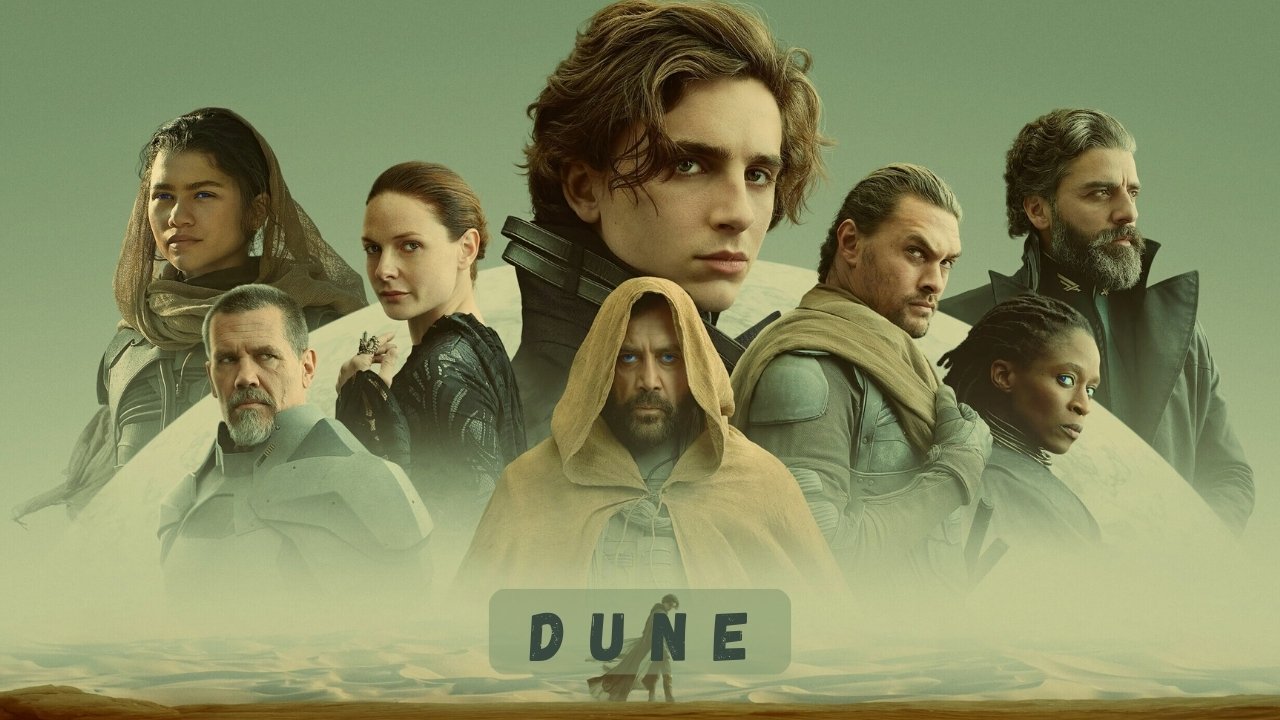
Dune has one of the best ensemble casts in modern cinema. Every actor brings weight to their role:
- Timothée Chalamet as Paul Atreides: A young man torn between destiny and fear.
- Rebecca Ferguson as Lady Jessica: Mysterious, powerful, and emotional.
- Oscar Isaac as Duke Leto: Noble, charismatic, and tragic.
- Zendaya as Chani: Though she appears briefly in Part One, her presence is unforgettable.
Even side characters like Duncan Idaho (Jason Momoa), Gurney Halleck (Josh Brolin), and Baron Harkonnen (Stellan Skarsgård) leave lasting impressions. They add layers to the political and emotional complexity of the story.
The cast isn’t just good on paper. They deliver performances that are nuanced, restrained, and believable.
6. Political Intrigue and Real-World Parallels
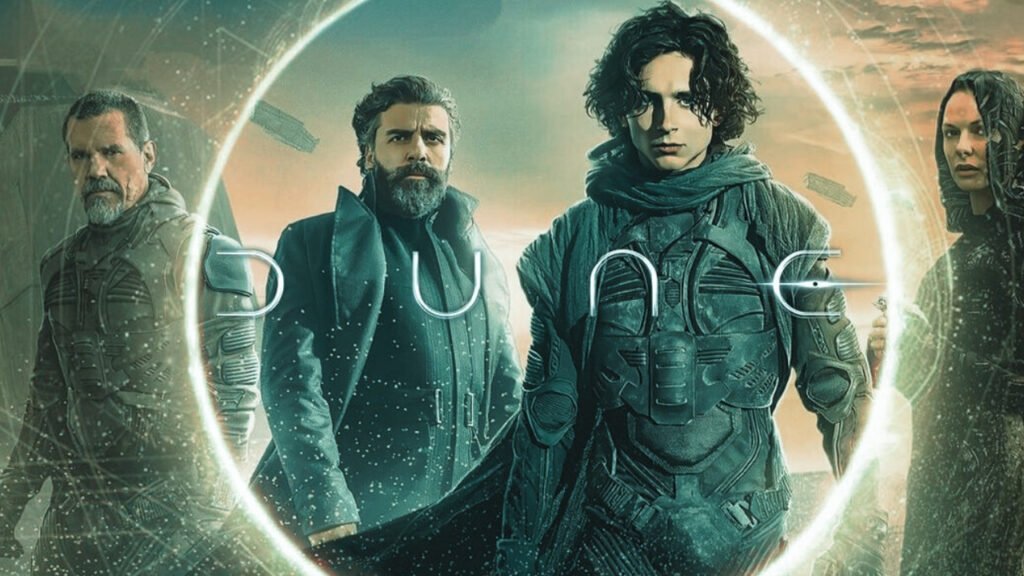
If you’re into Game of Thrones-style politics, Dune is your thing. Behind the sci-fi visuals lies a deep political narrative:
- The battle over spice, a valuable resource.
- The manipulation of religious beliefs by powerful institutions.
- The clash between empires and indigenous people.
It echoes real-world issues: colonization, climate change, and exploitation. It makes you think, and that’s why I admire it so much.
The Fremen struggle reminds me of many real-world communities fighting for autonomy and survival. Their culture, spirituality, and resilience reflect themes of identity, resistance, and hope.
7. Paul Atreides: A Hero or a Warning?
At first glance, Paul Atreides seems like the typical “chosen one.” But Dune flips that idea. Paul isn’t just a savior — he might be a warning about the dangers of following a messiah blindly.
This complexity adds so many layers to his character. As a 25-year-old who grew up watching superheroes save the day, it’s refreshing to see a film that questions that very idea.
Paul’s visions of a holy war waged in his name are disturbing. It forces the audience to consider: what happens when a hero becomes a symbol that others use for their own ends?
8. The World-Building Is Next-Level
One thing I absolutely love is Dune’s rich, detailed universe. You’ve got:
- The Bene Gesserit: A secretive, all-female order that controls power through influence and breeding.
- The Fremen: Desert-dwelling people who live in harmony with Arrakis.
- The Guild: Mysterious navigators who depend on spice to fold space and travel.
And the best part? The film never dumps all this info on you. It lets you learn naturally through visuals and character interaction.
Every culture, language, costume, and ritual feels authentic. You believe this world exists. That’s rare in cinema today.
9. Not Just a Movie, But a Beginning
Dune (2021) only covers Part One of the book. So if you felt like it ended abruptly, that’s because it’s just the beginning.
But what an epic beginning it is. It sets the tone, introduces the players, and lays the groundwork for a massive saga. It leaves you craving more, and that’s powerful storytelling.
The sequel promises more action, deeper character development, and the fulfillment of Paul’s destiny. As a fan, I can’t wait to see how it all unfolds.
10. Why Gen Z and Millennials Are Loving It
We’re living in a time of uncertainty — climate crisis, inequality, digital overload. Dune resonates with our generation because it speaks to these issues:
- A dying planet.
- People fighting over resources.
- Spiritual emptiness in a world full of tech.
It’s not escapism. It reflects reality in a sci-fi mirror.
It also speaks to our desire for purpose. Paul’s journey from a reluctant heir to a potential prophet mirrors our own search for meaning in a chaotic world.
11. Dune and the Future of Sci-Fi Films
Most studios would never take a risk on something this big, this slow, this philosophical. But Warner Bros. did, and it paid off.
Dune proves there’s still a market for intelligent, thought-provoking cinema. It gives hope to filmmakers and fans who want more than just popcorn flicks.
We need more films like this — films that challenge us, inspire us, and make us feel.
12. Spiritual Themes: The Soul of the Story
Dune is deeply spiritual. It explores themes of prophecy, destiny, and human potential. The Bene Gesserit use religious manipulation as a tool, yet the film doesn’t mock belief. It respects it.
It asks profound questions:
- Is destiny real, or do we create it?
- Can power be used without corruption?
- What makes someone truly human?
These aren’t just sci-fi questions. They’re human questions.
Final Thoughts: Dune Isn’t Just a Movie, It’s a Movement
As a 25-year-old movie blogger, I’ve seen a lot of films come and go. But Dune stuck with me. It made me feel small in a universe so vast, yet inspired me to think big.
It redefines what a sci-fi movie can be: poetic, philosophical, political, and visually majestic. Whether you’re into deep symbolism or just love stunning visuals, Dune delivers.
If you haven’t watched it yet, do yourself a favor. Watch it on the biggest screen you can find. And when it’s over, don’t just move on to the next thing. Sit with it. Think about it. Let it linger.
Because Dune isn’t just entertainment.
It’s an awakening.
What’s Next?
I’ll be posting more blogs breaking down each part of the Dune saga, so stay tuned for:
- Fremen culture and survival
- Paul’s transformation into Muad’Dib
- The ecological themes of Arrakis
- Spice: addiction, power, and politics
- Baron Harkonnen’s sinister legacy
Let me know your thoughts in the comments below. Have you entered Arrakis yet?
Until then, may the sand be kind to you.