 by
by Champions is more than just a feel-good sports movie. It’s a love letter to inclusion, teamwork, and the underrepresented brilliance of intellectually disabled athletes.
As a 25-year-old movie blogger who’s seen hundreds of sports dramas, this one felt different. Why? Because it’s not just fiction. It’s based on truth—on real people, real struggles, and real victories.
In this blog, we’ll explore:
- The Champions movie real-life inspiration
- The connection to the Spanish hit Campeones (2018)
- The Special Olympics athletes who influenced the characters
- Themes of disability, dignity, and representation
- And how the movie beautifully balances humor and heart
Let’s dive deep into how this film went from real-life events to the big screen—and why it deserves your time and attention.
The Origin – Campeones (2018), Spain’s Surprise Hit
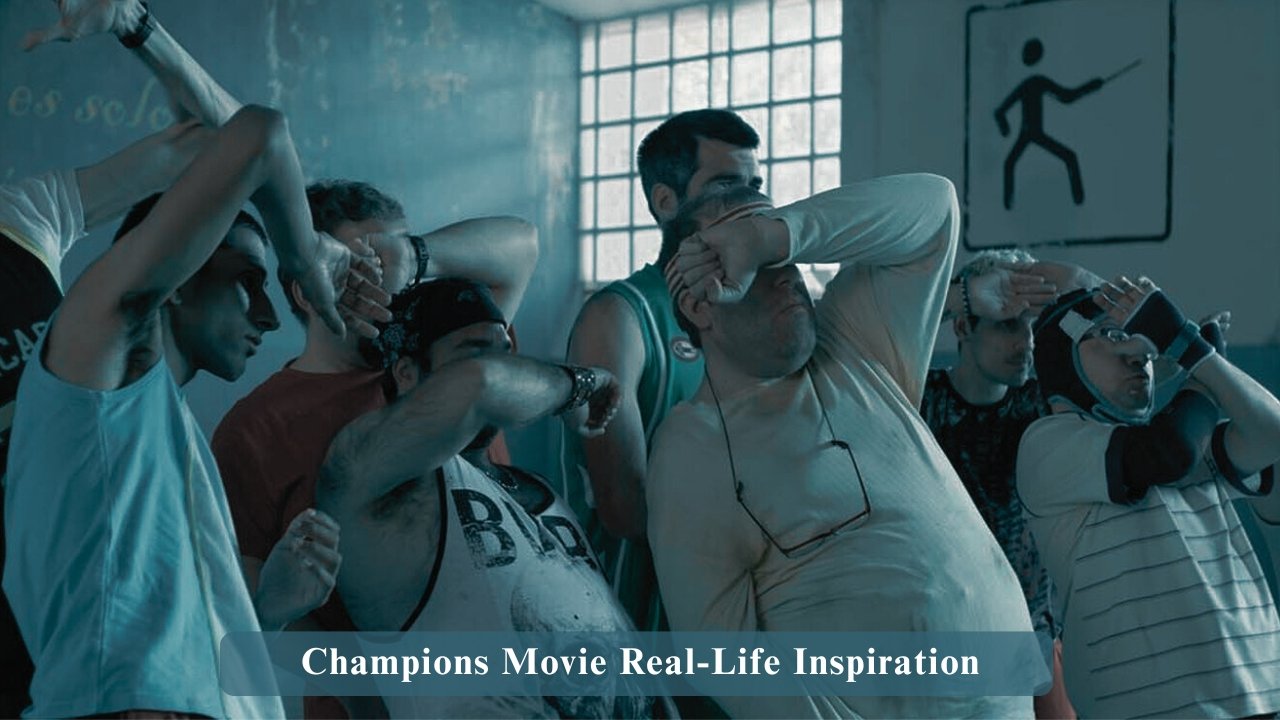
The Champions movie real-life inspiration begins in Spain with the 2018 film Campeones, directed by Javier Fesser. It tells the story of a basketball coach sentenced to community service, forced to coach a team of players with intellectual disabilities.
But here’s the kicker: most of the cast weren’t actors. They were real people with disabilities. This decision transformed the film from a standard underdog story into something raw, real, and deeply human.
Campeones became a national phenomenon, winning Best Film at the Goya Awards and earning praise for its humor, heart, and inclusiveness.
When Hollywood took notice, they knew they had to do justice to its message—but with an American flavor.
That’s where Bobby Farrelly stepped in with Champions (2023), starring Woody Harrelson. But rather than making a simple remake, the creators dug deep into Champions movie real-life inspiration to build something fresh and meaningful.
The Plot – Familiar But Uplifting
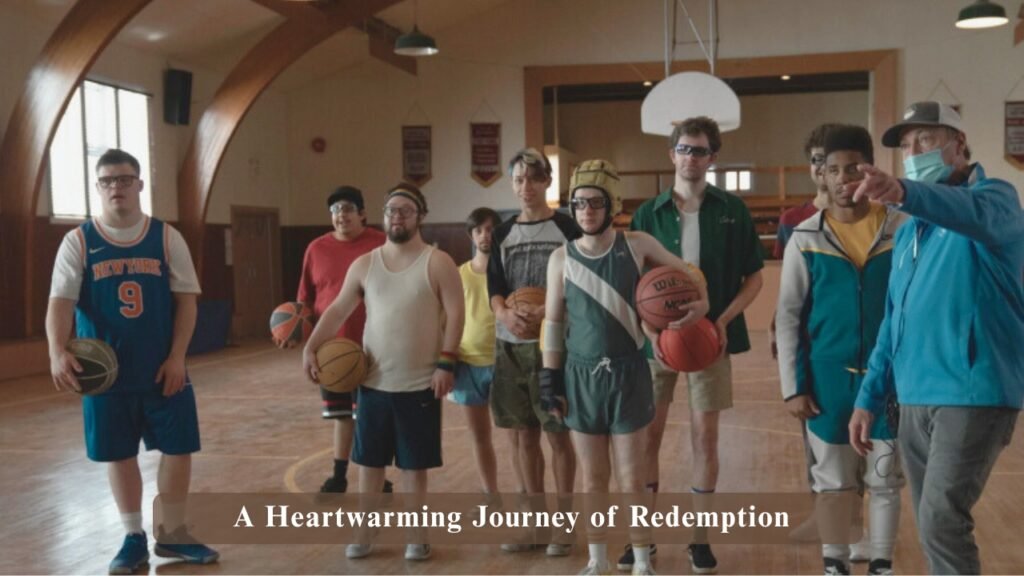
In Champions, Harrelson plays Marcus Marakovich, a disgraced minor league basketball coach who ends up working with a team of intellectually disabled players as part of his court-ordered community service.
What starts as an obligation slowly transforms into something beautiful. Marcus finds himself inspired by the very people he underestimated.
While the basic premise mirrors Campeones, what makes this film special is its focus on real human dynamics—something pulled directly from real life.
Special Olympics – The Heart of the Inspiration
One of the biggest elements of the Champions movie real-life inspiration comes from the Special Olympics—a global movement founded in 1968 that empowers people with intellectual disabilities through sports.
Many of the actors in Champions were either athletes, advocates, or inspired by participants in the Special Olympics.
Some even underwent basketball training with real coaches. This added authenticity, ensuring that these weren’t caricatures, but actual representations.
“This isn’t a story about disability. It’s a story about ability, perseverance, and the joy of the game.” – Bobby Farrelly, Director
The Special Olympics model helped shape the way these characters were written, coached, and even celebrated on screen. Unlike stereotypical portrayals, the film refuses to define characters by what they lack—instead, it highlights what they bring.
Real Cast, Real Impact
One of the most moving parts of the Champions movie real-life inspiration is its cast.
Rather than hiring actors to “pretend” to have disabilities, the film cast several people with actual intellectual and developmental disabilities, including:
- Kevin Iannucci as Johnny
- James Day Keith as Benny
- Madison Tevlin as Cosentino
- Ashton Gunning as Showtime
These actors don’t just bring authenticity—they redefine what inclusion looks like in Hollywood.
Kevin Iannucci is a real-life actor with Down syndrome who had previous acting experience and delivered a breakout performance. His sense of timing, emotion, and confidence captured hearts worldwide.
Madison Tevlin is a Canadian activist and public speaker who brings strength and sass to the film. She’s not just a character—she’s a statement.
This diverse, authentic casting is part of what makes Champions movie real-life inspiration so powerful. The audience connects because these are real people, not fictional creations.
Humor Without Cruelty – A Rare Balancing Act
Most comedies involving disability walk a dangerous line between laughing at and laughing with. Champions handles this beautifully.
Thanks to the original spirit of Campeones and guidance from real disability advocates, the film keeps its humor uplifting and human.
The jokes aren’t at anyone’s expense. Instead, they arise from personality, timing, and the kind of awkward, messy, relatable moments that all of us have—disabled or not.
This is where the Champions movie real-life inspiration shines brightest. Real people are complex. Funny, wise, frustrating, and brave. And the film captures that essence masterfully.
Why Representation Matters
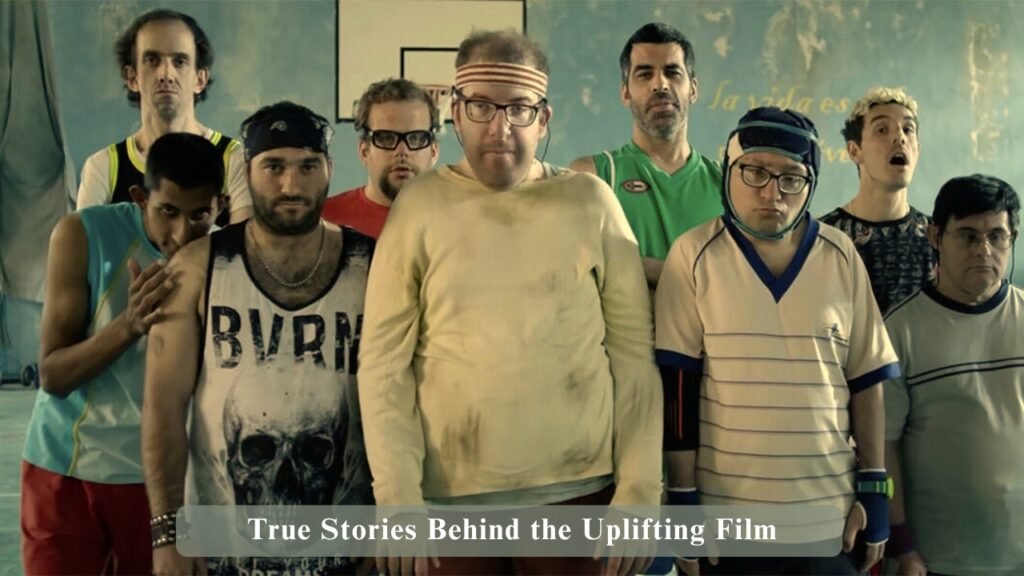
Let’s talk about something bigger than box office numbers: representation.
Before Champions, very few mainstream Hollywood films portrayed intellectual disability with respect. Films like Rain Man or I Am Sam made waves, but they often focused on a single character portrayed by neurotypical actors.
Champions breaks that mold. It offers:
- Multiple characters with diverse personalities
- Authentic casting
- Non-tokenized storytelling
This is no accident. It stems from the Champions movie real-life inspiration—actual people who wanted to see themselves accurately on screen.
For many viewers with disabilities (and their families), this film is more than entertainment. It’s validation.
Basketball as a Metaphor for Life
Let’s not forget the game itself. Basketball isn’t just a plot device—it’s a metaphor for trust, growth, and community.
As the team trains and improves, so does Marcus. He starts understanding that coaching isn’t about yelling or winning—it’s about showing up, listening, and empowering others.
And for the players? The game becomes a space where they’re seen as athletes first, not “disabled people playing a sport.”
This perspective also comes directly from the Special Olympics, which treats all athletes with dignity, coaching them just like any other competitor.
Once again, we see how the Champions movie real-life inspiration doesn’t just shape the characters—it shapes the message.
Behind the Scenes – Interviews and Production
In interviews, Woody Harrelson admitted that filming Champions changed his outlook.
“I learned more from them than I ever expected. Their spirit, humor, and honesty—it’s contagious.” – Woody Harrelson
Director Bobby Farrelly also shared that casting real individuals with disabilities was non-negotiable. It wasn’t a gimmick—it was the foundation of the film.
The cast even developed a bond off-screen. They trained together, traveled together, and celebrated together.
All of this adds layers to the Champions movie real-life inspiration. It’s not just about the plot—it’s about how the movie was made, who made it, and why they made it.
The Audience Response
The response to Champions has been overwhelmingly positive.
Critics praised its heart and humor. Families thanked the filmmakers for giving their kids heroes they could relate to. Disability advocates highlighted it as a step forward for inclusive storytelling.
Social media was filled with posts like:
“I finally saw someone like my brother on screen!”
“This movie made me cry—in a good way.”
“More movies like this, please.”
The Legacy – What Champions Teaches Us
When we talk about Champions movie real-life inspiration, we’re really talking about people.
People like the real Special Olympics athletes who inspired the characters.
People like the cast members who showed what talent looks like outside of stereotypes.
And people like the audience, who now see disability not as a limitation, but as a different kind of strength.
Final Thoughts: Champions Movie Real-Life Inspiration Lives On
As a 25-year-old movie lover, Champions reminded me that films can still surprise us. Not with explosions or twists—but with truth, compassion, and representation.
The Champions movie real-life inspiration makes it one of the most meaningful sports films of our generation. It entertains, educates, and empowers—without being preachy.
If you haven’t watched it yet, make time. And when you do, remember: you’re not just watching a movie. You’re watching the echo of real lives, real athletes, and a world that’s finally starting to see everyone.