 by
by There’s a particular moment early in this film where I realized that this wasn’t going to be a comfortable cinematic experience — not because of action, not because of pacing, but because of the emotional direction the film was quietly taking.
While watching Avatar: Fire and Ash, I didn’t feel like I was entering another grand fantasy adventure. Instead, I felt like I was being placed inside a moral dilemma that keeps building without clearly asking for sympathy toward any side. And that’s where my Avatar Fire and Ash Viewer Analysis actually begins — with confusion rather than excitement.
Because visually, everything is still perfect.
But emotionally, something has changed.
The Fire Element Is Not Just Visual — It’s Behavioral
One of the biggest things I noticed while watching the film is how the introduction of the fire-driven Na’vi culture shifts the psychological atmosphere. Water in Avatar: The Way of Water symbolized adaptation and survival. But fire here symbolizes dominance, reaction, and ideological strength.
And this directly affects how we perceive characters.
In my Analysis, the fire clan didn’t feel like villains in the traditional cinematic sense. They didn’t even feel like outsiders. Instead, they felt like an uncomfortable reflection of what happens when survival instincts evolve into aggression.
And what’s interesting is:
You don’t immediately reject them.
You try to understand them.
Which creates an emotional imbalance that stays with you throughout the film.
Character Presence Feels More Philosophical Than Emotional
In earlier films, character motivations were easier to emotionally connect with. But while watching this movie, I found myself analyzing the decisions more than feeling them.
And I don’t think that’s accidental.
Certain characters in Avatar: Fire and Ash don’t behave in ways that are traditionally “heroic” or “empathetic.” Instead, their actions feel strategically justified from their own perspective — even when those actions appear morally wrong from another angle.
This is where my Avatar Fire and Ash Viewer Analysis becomes less about storytelling and more about interpretation.
Because when a character makes a questionable decision, the film doesn’t rush to emotionally guide you.
It leaves you there.
To judge.
To question.
To interpret.
And that’s not something mainstream visual franchises usually risk doing.
The Absence of Predictable Emotional Anchors
There were multiple scenes where I expected a character to emotionally react in a familiar way — anger, grief, redemption, guilt — but instead, the reactions felt restrained.
Almost calculated.
And that restraint can either be seen as:
Mature storytelling
OREmotional detachment
Depending on what you personally expect from this universe.
From my perspective during this Avatar Fire and Ash Viewer Analysis, it created a slight disconnect.
Not boredom.
But distance.
You’re watching something unfold without knowing whether you’re supposed to emotionally align with anyone at all.
Conflict Feels Ideological Instead of Physical
Most of the tension in this film didn’t come from physical threats — even though those exist — but from ideological opposition.
This was surprising.
Because in a franchise known for large-scale action, I didn’t expect the internal disagreements between cultures, values, and survival methods to become the main emotional drivers.
And yet, that’s exactly what happens here.
During watching this film, I realized that the film is less interested in who wins the battle and more interested in:
Why each side believes they deserve to win
What moral logic they’re using
How survival changes identity over time
Which gives the film a more interpretative tone than an emotionally engaging one.
Visual Brilliance Still Does the Heavy Lifting
Let’s address the obvious:
This film looks incredible.
But during my Avatar Fire and Ash Viewer Analysis, I started wondering whether the visual excellence is being used as an emotional substitute rather than an enhancement.
There are moments where the cinematic scale is so overwhelming that it distracts from the emotional uncertainty beneath.
And maybe that’s intentional.
Because when the environment is beautiful but the emotional landscape is morally complex, it creates a strange viewing experience where you admire what you see but question what you feel.
What If Certain Characters Weren’t Present?
Interestingly, I kept thinking about how certain dynamics would completely collapse if even one major character was removed from the equation.
Not because they’re emotionally essential…
But because they act as moral stabilizers.
If one of those stabilizing figures didn’t exist in Avatar: Fire and Ash, I genuinely think the ideological conflict would spiral into something far more destructive much earlier in the film.
Which again supports the idea that this story isn’t about plot movement — it’s about ethical equilibrium.
And that thought stayed with me long after my Avatar Fire and Ash Viewer Analysis ended.
Sympathy Is No Longer Clearly Assigned
One of the boldest decisions here is that the film doesn’t clearly assign sympathy the way earlier entries did.
You’re not told who to emotionally root for.
Instead, you’re given perspective.
And depending on your personal interpretation of justice, survival, or cultural protection — your alignment may keep shifting throughout the runtime.
That’s something I didn’t expect when I walked into this film.
And honestly?
It made the experience more mentally engaging than emotionally satisfying.
Which may divide audiences.
Emotional Payoff Is Subjective This Time
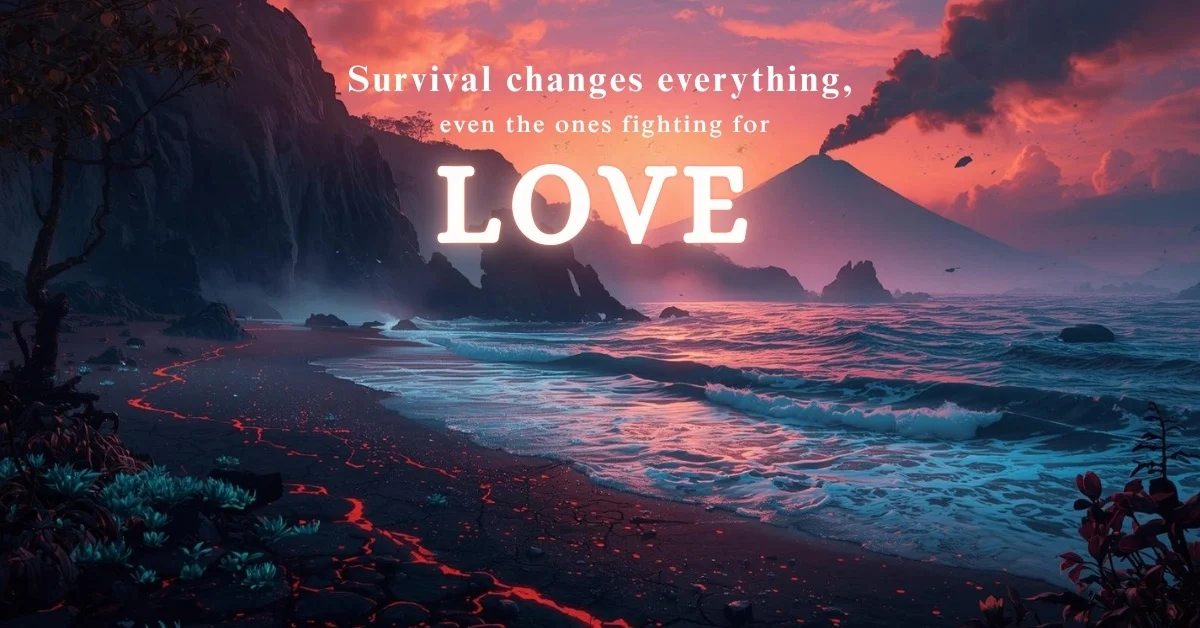
By the time the film moves toward its later sequences, I realized that my expectations for emotional resolution weren’t being met in traditional ways.
But that doesn’t necessarily mean the film failed.
It just means the payoff depends heavily on:
- How much ideological ambiguity you can tolerate
- How comfortable you are with moral complexity
- Whether you expect emotional closure or thematic reflection
In my Avatar Fire and Ash Viewer Analysis, this made the film feel more like a cinematic debate than a cinematic journey.
Sound Design Quietly Changes the Emotional Interpretation
During my Avatar Fire and Ash Viewer Analysis, one thing that subtly influenced my reaction wasn’t what I was seeing — it was what I was hearing.
There are multiple sequences where the background score doesn’t guide your emotions in the usual cinematic way. Instead of telling you when to feel tense, hopeful, or inspired, the sound design often holds back. Certain intense moments unfold with minimal musical encouragement, which creates an unusual psychological effect.
It almost feels observational.
As a viewer, I wasn’t emotionally pushed toward a reaction — I had to decide for myself how to interpret what was happening on screen. And in a franchise that has always used sound to amplify emotional clarity, this quieter approach makes the viewing experience more mentally involving than emotionally immersive.
This restraint becomes a defining factor in my Avatar Fire and Ash Viewer Analysis, because it removes the emotional safety net that audiences are normally given.
Cultural Evolution Feels Less Romanticized This Time
Another thing I noticed while watching Avatar: Fire and Ash is how the film handles the concept of cultural development.
Earlier entries in the franchise often presented Na’vi culture in a spiritually elevated or harmoniously idealistic way. But here, the evolution of different tribal ideologies feels more grounded — and sometimes even uncomfortable.
In this Avatar Fire and Ash Viewer Analysis, cultural survival isn’t framed as something beautiful or poetic.
It’s shown as something strategic.
Sometimes harsh.
Sometimes divisive.
And occasionally conflicting with values that were previously portrayed as sacred.
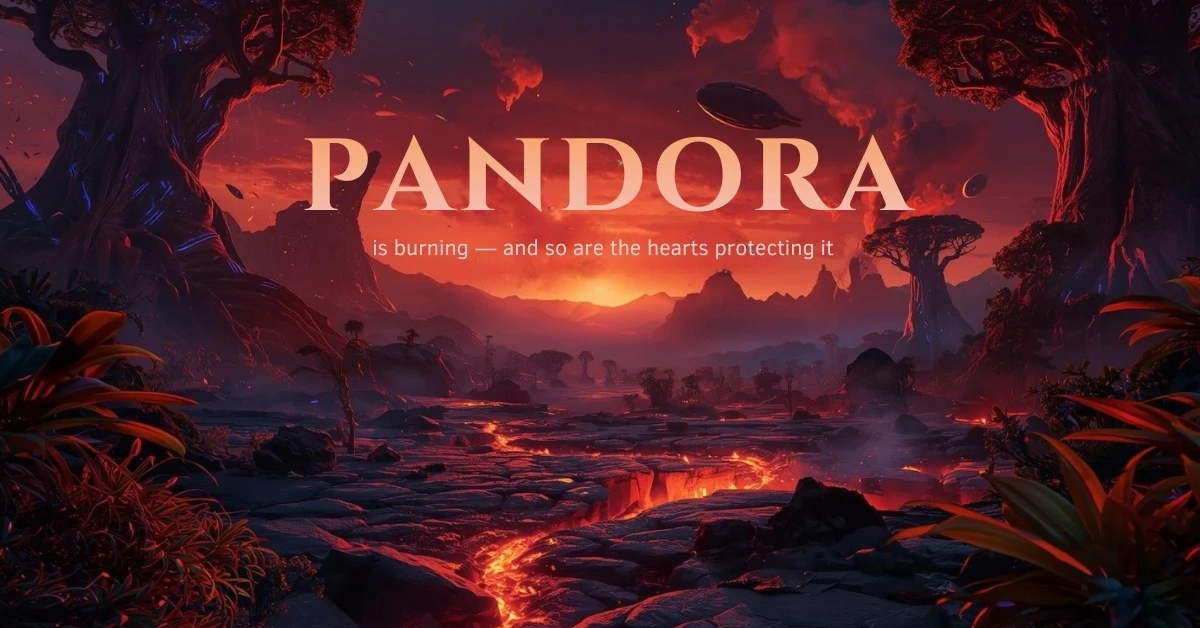
This tonal adjustment makes the world-building feel less mythological and more political. Which again reinforces the idea that the film isn’t trying to emotionally reassure the audience — it’s trying to present a more complex version of societal survival within Pandora’s ecosystem.
If you enjoy reading this Avatar: Fire and Ash, you can explore more film analysis on our website.
Final Thoughts – A Film That Wants You to Think More Than Feel
After finishing Avatar: Fire and Ash, I didn’t immediately feel the urge to talk about the action sequences or visual moments.
Instead, I kept thinking about:
- Motivations
- Cultural friction
- Leadership choices
- The cost of ideological survival
And that’s probably the biggest difference this time.
This film isn’t asking you to emotionally invest.
It’s asking you to interpret.
Which makes this Avatar Fire and Ash Viewer Analysis less about whether the film is entertaining and more about whether the film is willing to challenge your sense of moral alignment inside a visually immersive world.
And depending on what you expect from this franchise…
That could either be its greatest strength or its most divisive risk.