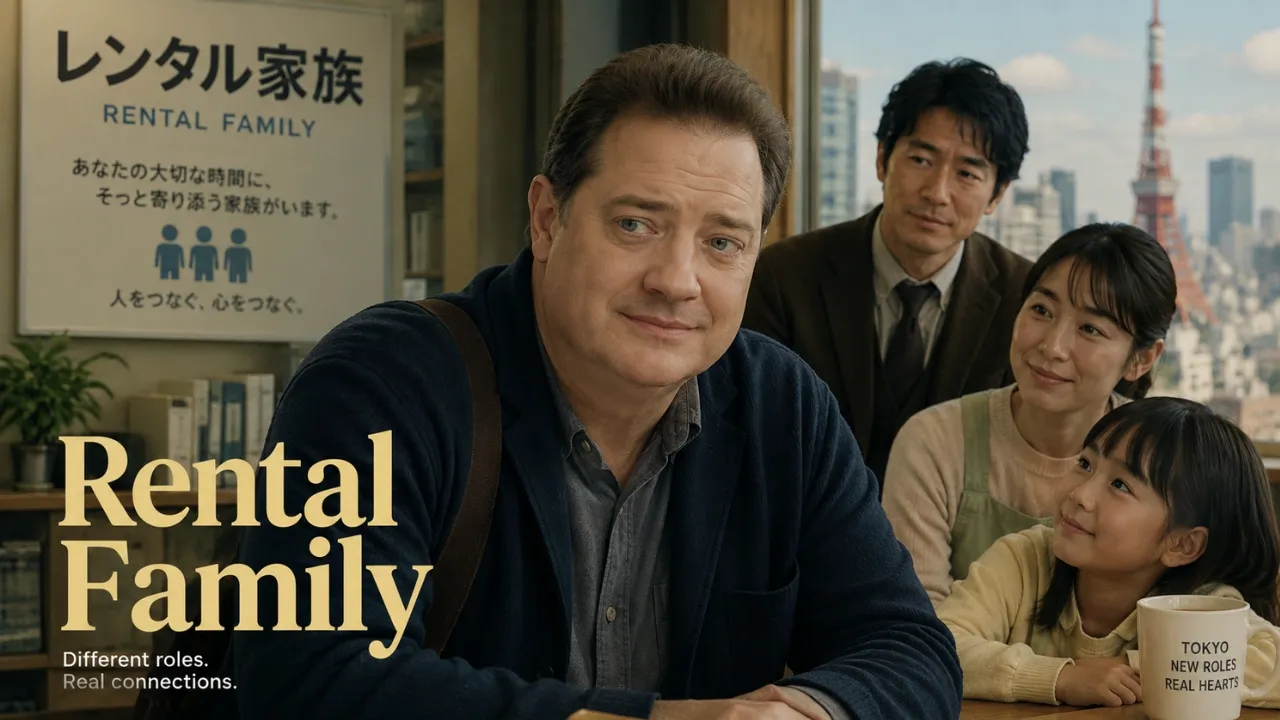
The world of cinema continues to deliver stories that explore human emotions in fresh and meaningful ways, and Rental Family is one of the most anticipated comedy-drama films of the year. Combining heartfelt storytelling with emotional depth and moments of genuine humor, the movie offers audiences an experience that goes beyond traditional family dramas. Rather than relying on predictable emotional twists, the film focuses on the importance of connection, belonging, and the unexpected relationships that can change people’s lives.
Directed with a thoughtful vision, Rental Family introduces viewers to a unique concept that blends comedy with emotional storytelling. It examines how loneliness, personal growth, and second chances can shape individuals from different backgrounds. The film presents a balance of lighthearted moments and touching emotional scenes, making it appealing to audiences who appreciate character-driven stories.
Unlike many modern comedy-dramas that depend heavily on exaggerated humor, Rental Family keeps its focus on authentic relationships. Every interaction contributes to the emotional journey, allowing viewers to connect with the characters naturally. This combination of sincerity and entertainment gives the movie a distinctive identity among recent Hollywood releases.
Whether you enjoy emotional family films or simply appreciate stories that celebrate human connection, Rental Family (2025) deserves attention. In this article, we explore everything from the film’s storyline and cast to its production, themes, and the reasons behind the growing anticipation surrounding its release.
Quick Movie Overview
| Movie Details | Information |
|---|---|
| Movie Name | Rental Family |
| Release Year | 2025 |
| Genre | Comedy, Drama |
| Runtime | Approximately 1 Hour 50 Minutes |
| Language | English |
| Director | Hikari |
| Main Star | Brendan Fraser |
| Category | Hollywood Movie |
What Is Rental Family (2025) About?
At its heart, Rental Family explores an unusual yet emotionally compelling premise. The story revolves around the idea that family is not always defined by blood relationships. Instead, genuine care, trust, and shared experiences often create stronger emotional bonds than biological connections alone.
The narrative follows a man whose personal circumstances lead him toward an unconventional service that allows people to experience the comfort and support of a temporary family. While the idea initially appears unusual, the film gradually transforms it into a touching exploration of loneliness, healing, and emotional recovery.
As the story unfolds, each encounter introduces new personalities with different struggles, dreams, and emotional burdens. These interactions become more meaningful than anyone initially expects. What begins as a practical arrangement slowly evolves into something much deeper, forcing everyone involved to question their understanding of relationships, belonging, and personal happiness.
Instead of focusing entirely on dramatic conflicts, the screenplay carefully balances emotional storytelling with moments of humor. The lighter scenes never feel forced; instead, they provide natural breathing room between emotionally significant moments. This balanced approach allows audiences to become invested in the characters without feeling overwhelmed by constant drama.
The movie also raises thoughtful questions about modern society. In an increasingly connected digital world, many people continue to struggle with loneliness and emotional isolation. Rental Family reflects these realities through relatable characters whose personal experiences mirror challenges faced by many individuals today.
Why Rental Family Has Generated So Much Buzz
Even before its release, Rental Family attracted considerable attention among movie enthusiasts. One major reason is its unique storyline, which offers something different from conventional Hollywood family dramas.
Rather than following familiar storytelling formulas, the film presents a concept that immediately sparks curiosity. Audiences naturally wonder how a “rental family” service works and what emotional consequences such an arrangement might create. This intriguing premise makes the movie stand out from other releases within the same genre.
Another significant factor behind the growing excitement is the creative team involved in the project. With experienced filmmakers guiding the production and talented performers bringing the characters to life, expectations have steadily increased.
Additionally, comedy-drama remains one of Hollywood’s most beloved genres because it appeals to a wide audience. Films that successfully combine humor with emotional storytelling often leave a lasting impression, encouraging viewers to recommend them to friends and family. Rental Family appears well-positioned to deliver that kind of memorable cinematic experience.
Social media discussions have also contributed to the film’s popularity. Fans have expressed curiosity about its emotional themes, unique premise, and the performances expected from the cast. As promotional materials continue to generate conversation, anticipation surrounding the movie has continued to grow.
The Meaning Behind the Title
Movie titles often reveal subtle hints about their central themes, and Rental Family is no exception. At first glance, the title may seem unusual or even humorous. However, as viewers learn more about the story, its deeper emotional significance becomes increasingly clear.
The word “rental” typically refers to something temporary, practical, or transactional. Meanwhile, “family” represents permanence, emotional support, unconditional love, and lifelong relationships. By combining these two contrasting ideas, the title immediately introduces one of the movie’s biggest emotional questions: can temporary relationships become genuine emotional connections?
This central concept drives much of the narrative. As characters spend time together, the boundaries between professional arrangements and authentic emotional bonds gradually begin to disappear. Through these evolving relationships, the movie encourages audiences to reconsider traditional definitions of family.
Rather than presenting easy answers, the film invites viewers to reflect on their own understanding of companionship, loyalty, and emotional support.

Cast and Characters
One of the strongest attractions of Rental Family (2025) is its talented cast. Character-driven stories rely heavily on convincing performances, and this film brings together experienced actors capable of portraying complex emotional journeys with authenticity.
Brendan Fraser leads the cast, bringing warmth, vulnerability, and emotional depth to the central role. Over the years, Fraser has demonstrated remarkable versatility across adventure films, dramas, and emotionally rich character studies. His ability to portray ordinary individuals facing extraordinary emotional challenges makes him a fitting choice for this story.
Supporting performers further enrich the narrative by introducing characters with distinct personalities and life experiences. Rather than functioning as simple background figures, each character contributes meaningfully to the film’s emotional development.
Throughout the story, viewers witness relationships evolve naturally through conversations, shared experiences, misunderstandings, forgiveness, and moments of personal growth. Every performance adds another layer to the film’s exploration of connection and belonging.
Instead of relying on exaggerated emotional scenes, the cast focuses on subtle expressions and believable interactions. This understated acting style helps create an immersive viewing experience where audiences can genuinely empathize with each character’s journey.
Themes That Make the Story Relatable
Although Rental Family presents an unusual premise, its emotional themes remain universally relatable. Nearly everyone has experienced loneliness, uncertainty, disappointment, or the desire to feel understood. The film transforms these common human emotions into an engaging cinematic experience.
Finding Connection
Modern life often creates emotional distance despite constant digital communication. The movie highlights how meaningful face-to-face interactions remain essential for emotional well-being.
Healing Emotional Wounds
Many characters carry unresolved pain from their past. Rather than offering instant solutions, the story portrays healing as a gradual process shaped by trust, patience, and compassion.
Redefining Family
One of the film’s most compelling messages is that family extends beyond biological relationships. Genuine support can emerge from unexpected places, and emotional bonds sometimes develop between people who were once complete strangers.
Hope and Second Chances
Every major character faces personal obstacles. Instead of focusing solely on loss or hardship, the movie emphasizes growth, resilience, and the possibility of beginning again after life’s disappointments.
These themes resonate because they reflect experiences shared by people across different cultures and generations. The emotional honesty within the story allows audiences to see aspects of their own lives reflected on screen.
Direction and Creative Vision
The creative direction behind Rental Family appears focused on authenticity rather than spectacle. Instead of relying on elaborate visual effects or overly dramatic storytelling, the film prioritizes believable characters and emotionally grounded situations.
The pacing allows relationships to develop gradually, giving viewers time to understand each character’s motivations and emotional struggles. This patient storytelling style creates stronger emotional payoffs later in the narrative because audiences become genuinely invested in the characters’ journeys.
Visually, the film is expected to complement its intimate storytelling through carefully composed scenes that emphasize human interaction over large-scale action sequences. Everyday locations become emotionally meaningful because they serve as the backdrop for important moments of growth, forgiveness, and connection.
The director’s emphasis on emotional realism helps distinguish the movie from more formulaic comedy-dramas. Rather than forcing sentimentality, the storytelling allows emotions to emerge naturally through character development and meaningful conversations.
Movie Highlights at a Glance
| Feature | Why It Stands Out |
|---|---|
| Unique Premise | Explores the idea of a temporary family in an emotionally engaging way. |
| Comedy & Drama Balance | Blends humor with heartfelt storytelling. |
| Strong Lead Performance | Brendan Fraser brings emotional depth to the central character. |
| Universal Themes | Family, healing, loneliness, hope, and belonging resonate with a wide audience. |
| Character Development | Relationships evolve naturally throughout the story. |