
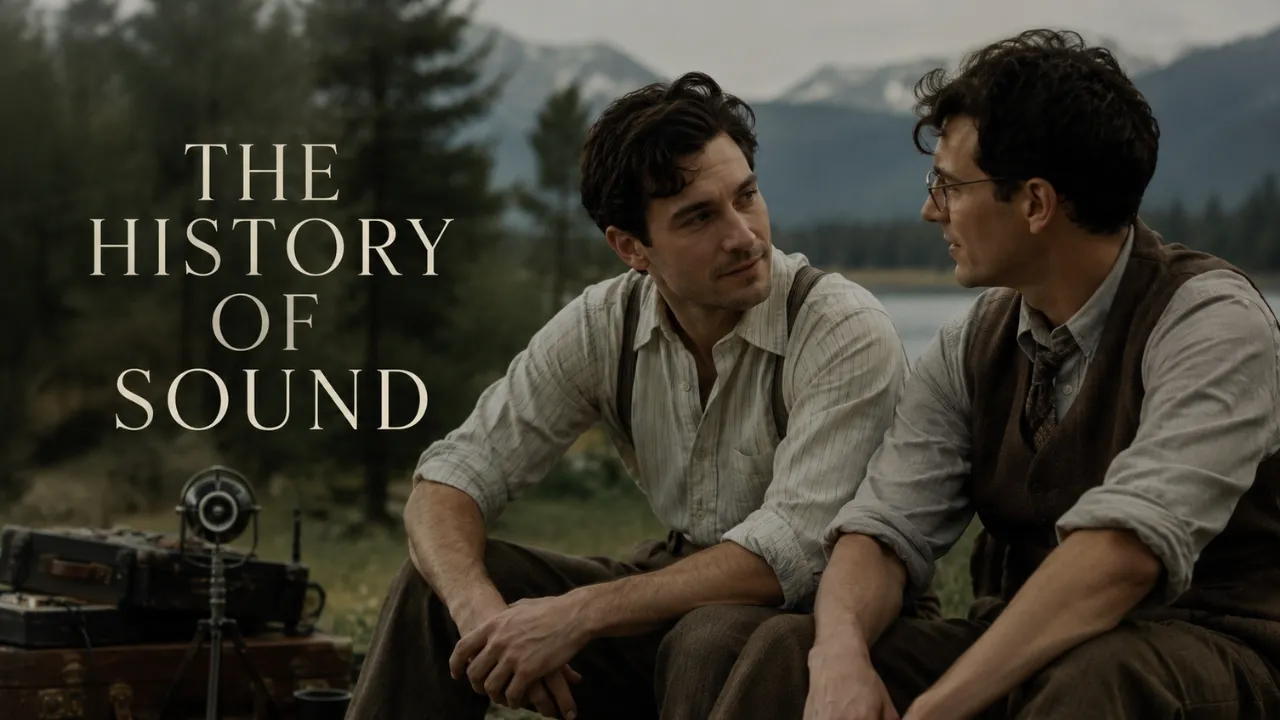
Released in 2025, The History of Sound is a historical romantic drama directed by Oliver Hermanus and adapted from Ben Shattuck’s acclaimed short story of the same name. Starring Paul Mescal and Josh O’Connor, the film premiered at international film festivals before reaching wider audiences, earning praise for its understated storytelling, period authenticity, and emotionally nuanced performances.
When a film chooses silence over spectacle and emotion over action, it immediately stands apart from mainstream cinema. The History of Sound (2025) is one such film. Instead of relying on dramatic twists or fast-paced storytelling, it gently unfolds as an intimate exploration of love, identity, memory, and the emotional power of music. Every frame feels carefully crafted, allowing viewers to experience not only the lives of its characters but also the emotions hidden between their conversations and songs.
Directed by Oliver Hermanus and based on Ben Shattuck’s acclaimed short story, The History of Sound is more than a period romance. It is a thoughtful meditation on the way memories survive through voices, melodies, and human connections. Set during the years surrounding the First World War, the film follows two young men whose shared passion for collecting traditional folk songs slowly transforms into a deeply personal relationship.
Unlike many historical dramas that focus on war itself, this movie pays greater attention to what remains after conflict. It asks how people preserve moments that would otherwise disappear and how music can become a living archive of love and loss. Rather than delivering easy answers, the film invites viewers to reflect on their own memories and the sounds that have shaped their lives.
For audiences who appreciate emotionally driven storytelling, The History of Sound offers a cinematic experience that lingers long after the closing scene. It is quiet without feeling empty, romantic without becoming sentimental, and historically grounded while remaining universally relatable.
Movie Overview
| Category | Details |
|---|---|
| Movie Title | The History of Sound |
| Genre | Historical Drama, Romantic Drama |
| Director | Oliver Hermanus |
| Based On | Ben Shattuck’s short story |
| Main Cast | Paul Mescal, Josh O’Connor |
| Setting | Early 20th Century America |
| Themes | Love, Memory, Music, Identity, Loss |
| Runtime | Approximately 2 Hours |
| Language | English |
Set in early twentieth-century America, The History of Sound follows two young men who travel across rural communities documenting traditional folk music. Rather than focusing on large-scale historical events, the story explores how music preserves memories, identities, and emotional connections. Directed by Oliver Hermanus and adapted from Ben Shattuck’s short story, the film combines historical realism with an intimate coming-of-age romance.
Introduction to The History of Sound
Historical romance films often rely on sweeping landscapes, grand declarations of love, and dramatic conflicts to engage audiences. The History of Sound chooses a remarkably different direction. It embraces subtlety, allowing small gestures and quiet conversations to carry the emotional weight of the story.
From its opening moments, the film establishes a reflective tone. Instead of rushing into its narrative, it introduces its world with patience, encouraging viewers to become immersed in the atmosphere. The landscapes feel authentic, the production design accurately captures early twentieth-century America, and every musical performance feels meaningful rather than decorative.
The film’s greatest strength lies in its ability to communicate emotions without excessive dialogue. A simple exchange of glances or the sound of an old folk melody often reveals more about the characters than lengthy conversations ever could. This restrained approach creates a deeply immersive experience, rewarding audiences who appreciate thoughtful storytelling.
Rather than presenting history as a backdrop filled with political events, the movie explores everyday lives shaped by extraordinary circumstances. It reminds us that history is not only written in books but also preserved in songs, memories, and personal relationships.
Story Without Major Spoilers
The story follows Lionel, a talented young music student whose fascination with traditional folk songs introduces him to David, another passionate musician with similar interests. Their shared appreciation for preserving disappearing melodies gradually develops into a meaningful friendship that soon becomes something much deeper.
Lionel and David begin their journey as collaborators brought together by a shared academic interest in recording traditional folk songs. As they travel through isolated communities, they encounter singers whose music reflects local history, family traditions, and personal experiences. These encounters gradually reshape their own understanding of love, identity, and belonging.
Together, they embark on a journey across rural communities, recording folk songs passed down through generations. As they travel, each village offers a unique glimpse into local traditions and the emotional histories embedded within music. Every song collected represents not only artistic heritage but also the lives, struggles, and hopes of ordinary people.
While their professional goal is to document these musical traditions before they disappear, the journey also transforms them personally. The road becomes a space where they learn about trust, vulnerability, and the complexities of love during an era when expressing such emotions openly carried significant social risks.
The narrative progresses gently, focusing less on dramatic plot twists and more on emotional growth. Each encounter adds another layer to the relationship between Lionel and David, allowing audiences to witness how shared experiences slowly deepen their bond.
Instead of relying on conventional romance, the film presents love as something discovered through companionship, mutual respect, and quiet understanding. This understated approach gives the relationship remarkable authenticity.
As the story unfolds, historical events begin influencing their personal lives in unexpected ways. External circumstances force both men to confront difficult choices, demonstrating how individual dreams often collide with larger historical realities.
Even without major action sequences, the film maintains emotional momentum by continually exploring the tension between preserving the past and accepting inevitable change.
About the Source Material
The History of Sound is based on Ben Shattuck’s short story of the same name. While the film expands several emotional and visual elements for the screen, it remains faithful to the central idea of preserving memory through music. Readers familiar with the original work will notice that the adaptation places greater emphasis on landscape, silence, and the gradual evolution of the relationship between the two protagonists.
Production and Filming
Director Oliver Hermanus approaches the material with a restrained visual style that prioritizes atmosphere over spectacle. Filming emphasizes natural locations, practical production design, and period-accurate costumes to recreate early twentieth-century America. Rather than overwhelming viewers with elaborate set pieces, the production focuses on authenticity, allowing the emotional journey of the characters to remain at the center of the story.
A Story That Celebrates the Power of Music
Music functions as far more than background entertainment throughout the film. It becomes the emotional language through which the characters communicate feelings they struggle to express verbally.
Every folk song introduced during the journey carries its own history. Some reflect stories of migration, while others speak of love, grief, family traditions, or hope. These songs gradually become emotional bridges connecting strangers across generations.
The filmmakers treat music with remarkable authenticity. Rather than polishing every performance into perfection, they allow natural imperfections to remain. This choice makes each recording feel genuine, reflecting how traditional songs have survived through countless voices over many decades.
The process of collecting music also symbolizes preserving fragile memories. Just as old melodies risk being forgotten, personal relationships can fade unless someone chooses to remember them.
Throughout the film, audiences begin realizing that the title, The History of Sound, refers not only to recorded music but also to the sounds that define human existence. Conversations, laughter, silence, footsteps, and even moments of quiet reflection all contribute to the emotional landscape of the story.
By the end of the journey, viewers understand that sound itself becomes a form of memory, capable of preserving emotions long after people have disappeared.
Outstanding Performances That Feel Completely Natural
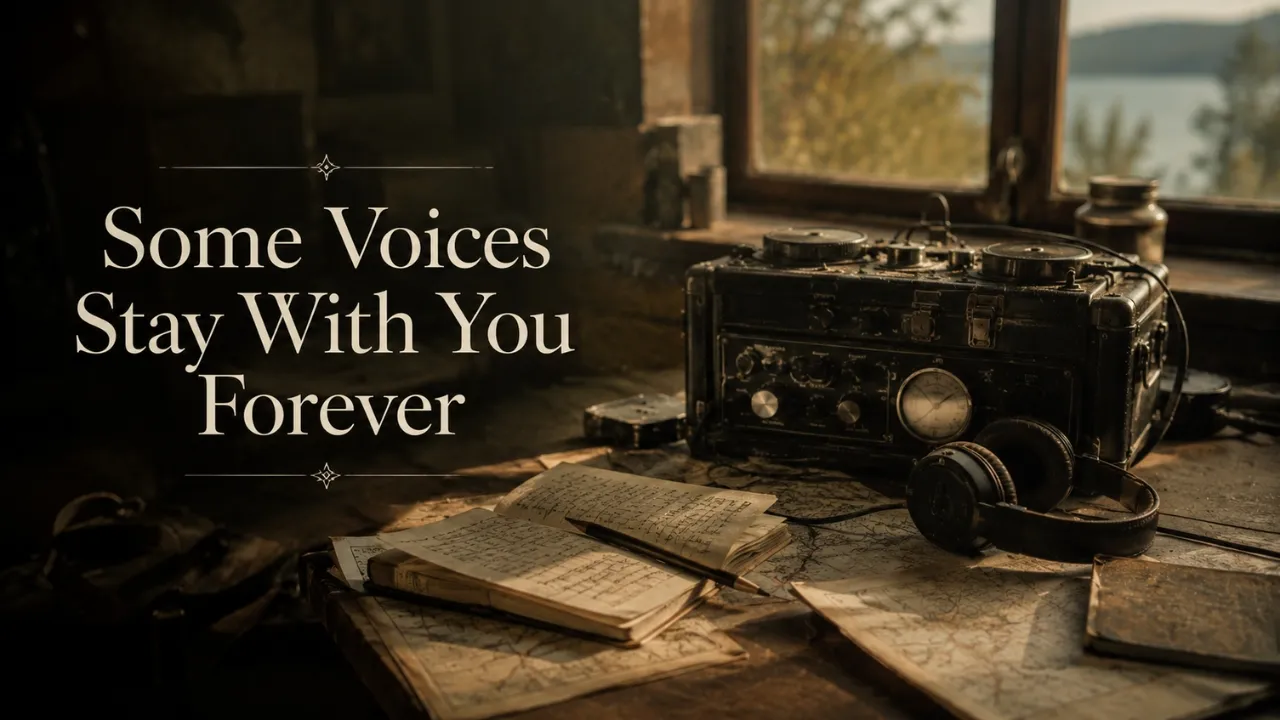
One of the film’s strongest achievements comes from the extraordinary performances delivered by its leading actors. Rather than relying on dramatic emotional outbursts, both performances embrace restraint and subtle expression.
Both actors rely heavily on understated performances rather than dramatic emotional outbursts. Much of their chemistry is conveyed through body language, pauses in conversation, and shared musical performances, reflecting the film’s overall commitment to emotional realism.
Their relationship develops naturally over time. Instead of forcing emotional milestones, the screenplay allows affection to emerge through shared experiences, conversations, and mutual understanding. This realistic progression makes the romance particularly convincing.
Supporting characters also contribute meaningfully to the story. Although many appear only briefly, each individual represents another piece of America’s diverse musical heritage. These encounters enrich both the narrative and the cultural landscape of the film.
Because every performance feels grounded in authenticity, audiences remain emotionally invested from beginning to end.
Direction and Visual Storytelling
Director Oliver Hermanus approaches the material with exceptional confidence and patience. Rather than chasing spectacle, he focuses on creating emotional intimacy through visual storytelling.
The pacing may initially seem slow to viewers accustomed to conventional Hollywood dramas. However, every deliberate pause serves a purpose. The film encourages audiences to observe subtle emotional shifts instead of waiting for dramatic plot developments.
Hermanus avoids many familiar conventions of historical romance. Instead of constructing the narrative around dramatic conflicts or predictable romantic milestones, he allows emotional tension to emerge through everyday interactions and carefully observed moments.
Cinematography plays a significant role in establishing the film’s reflective atmosphere. Wide landscapes emphasize both the beauty of the American countryside and the emotional isolation experienced by the protagonists. Natural lighting enhances the authenticity of each setting, making every location feel lived-in rather than artificially designed.
Close-up shots are used sparingly but effectively. Whenever the camera focuses on a character’s face, it captures emotions that words intentionally leave unspoken. These visual choices strengthen the film’s overall emotional impact.
Another impressive aspect of the direction is the seamless integration of music into the narrative. Songs never interrupt the story; instead, they become essential parts of character development and emotional progression.
The production design deserves equal recognition. Costumes, architecture, transportation, and everyday objects accurately recreate the early twentieth century without drawing unnecessary attention to themselves. Historical authenticity supports the narrative instead of overshadowing it.
Main Characters at a Glance
| Character | Role in the Story | Key Personality Traits |
|---|---|---|
| Lionel | Music student and folk song collector | Curious, thoughtful, emotionally reserved |
| David | Fellow musician and travel companion | Intelligent, compassionate, quietly confident |
| Rural Communities | Keepers of musical traditions | Authentic, resilient, culturally rich |
| Supporting Characters | Expand the emotional and historical landscape | Memorable, realistic, emotionally grounded |
Themes That Make the Film Memorable
One reason The History of Sound remains so emotionally resonant is its layered exploration of universal themes. Rather than focusing solely on romance, the film invites audiences to think about memory, identity, history, and the importance of preserving culture.
The idea of memory appears throughout the narrative in subtle but meaningful ways. Every collected song represents someone’s past, and every journey undertaken by the protagonists becomes another chapter in their own evolving story. The film suggests that memories are not only stored in photographs or written records but also in voices, melodies, and shared experiences.
Love is presented with equal nuance. Instead of portraying romance as an idealized fantasy, the story acknowledges its complexity. Moments of happiness coexist with uncertainty, longing, and sacrifice, creating relationships that feel authentic and emotionally believable.
Another important theme involves cultural preservation. Many traditional folk songs risk disappearing as generations change, and the protagonists recognize the importance of documenting these musical treasures before they are lost forever. Their work becomes a metaphor for preserving human stories themselves.
Finally, the film explores how history shapes personal lives. Major historical events remain largely in the background, yet their influence quietly affects every decision made by the characters. This perspective reminds viewers that history is experienced through ordinary people rather than abstract events.
Cinematography and Visual Style
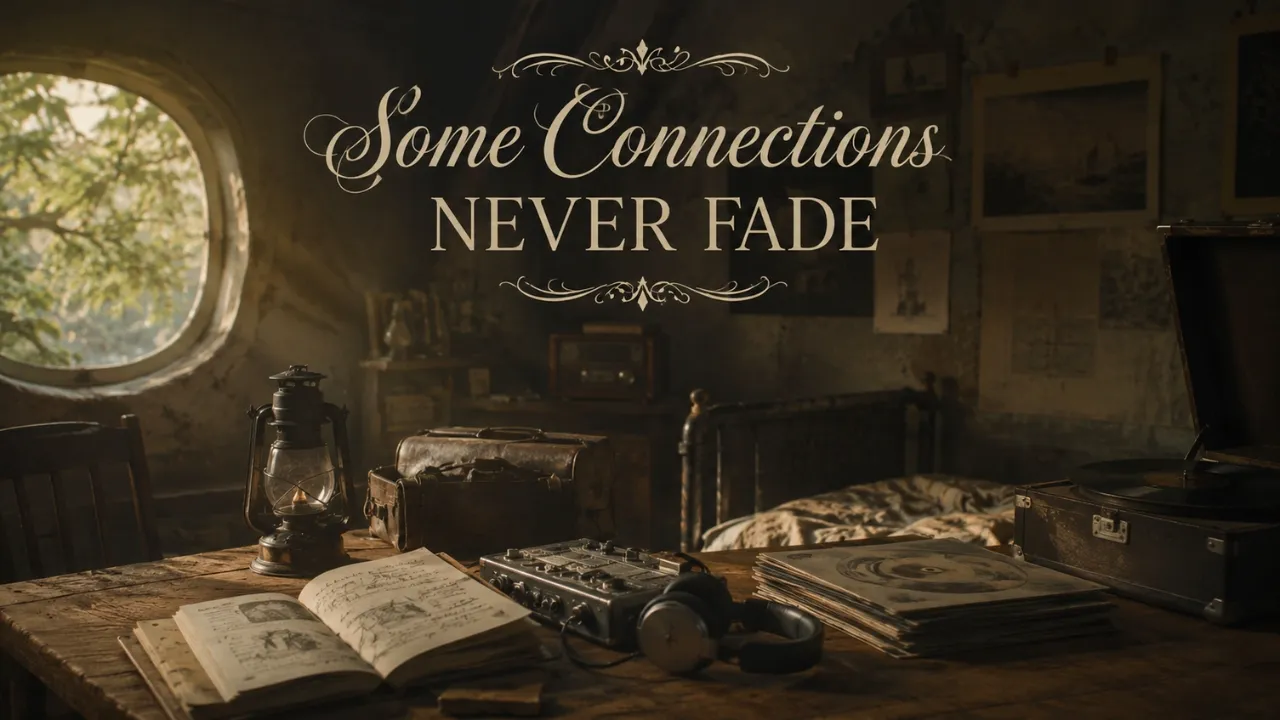
One of the most remarkable qualities of The History of Sound is its visual language. The cinematography never competes with the story for attention; instead, it quietly enhances every emotional moment. Each frame appears carefully composed, allowing the audience to appreciate the beauty of nature while also understanding the emotional state of the characters.
The film makes extensive use of natural landscapes. Rolling hills, quiet forests, open fields, rivers, and isolated rural communities create an atmosphere that feels timeless. These locations are not simply attractive backgrounds—they become active participants in the narrative. As Lionel and David travel from one place to another, the changing scenery reflects the gradual evolution of their relationship.
Natural lighting is another defining characteristic. Morning sunlight, golden evenings, candlelit interiors, and cloudy afternoons contribute to an authentic period atmosphere. Rather than relying on dramatic visual effects, the filmmakers embrace realism, allowing every setting to feel believable and immersive.
Camera movement is equally restrained. Slow tracking shots, carefully framed close-ups, and wide establishing shots encourage viewers to absorb each moment instead of rushing toward the next plot point. This deliberate pacing complements the reflective nature of the story and rewards patient audiences.
The production design deserves similar praise. Every costume, household object, musical instrument, and village location contributes to the authenticity of the early twentieth-century setting. Nothing feels exaggerated or artificially polished. Instead, the world appears lived-in, making it easier for viewers to connect emotionally with the characters and their experiences.
Music and Sound Design
Considering the film’s title, it is no surprise that music serves as one of its most powerful storytelling tools. However, what makes The History of Sound particularly memorable is how naturally music is integrated into the narrative.
Several folk songs featured throughout the journey are presented as part of the communities’ living traditions rather than polished performances. This documentary-like approach reinforces the film’s central idea that music serves as a historical record as much as a form of artistic expression.
Rather than functioning as background entertainment, every folk song has a purpose. Each melody carries memories, traditions, and emotions passed down through generations. The songs become historical documents, preserving voices that might otherwise disappear over time.
The sound design is equally impressive. Moments of silence are used with remarkable confidence, allowing audiences to focus on subtle environmental sounds such as birdsong, footsteps, distant conversations, flowing rivers, and gentle winds. These carefully chosen details create a rich auditory experience that reinforces the film’s central themes.
The orchestral score remains understated throughout the movie. Instead of overwhelming emotional scenes, it quietly supports them, allowing performances and dialogue to remain the primary focus. This balance demonstrates a thoughtful understanding of how music can strengthen storytelling without becoming intrusive.
Perhaps the film’s greatest achievement lies in its appreciation of ordinary sounds. Laughter, breathing, conversations, and traditional singing all become part of the emotional landscape. By the conclusion, viewers realize that sound itself represents memory, identity, and human connection.
Screenplay Analysis
The screenplay stands out because it values emotional honesty over dramatic spectacle. It never attempts to manufacture unnecessary conflict simply to maintain excitement. Instead, the story unfolds through meaningful conversations, shared experiences, and carefully observed moments.
Dialogue feels remarkably authentic. Characters speak naturally, often communicating more through pauses and expressions than through lengthy speeches. This restraint gives every conversation greater emotional weight.
The pacing reflects the film’s overall philosophy. Rather than rushing through important moments, the screenplay allows relationships to develop gradually. Every interaction adds another layer to the characters, making their emotional journey feel believable.
Another strength lies in the film’s subtle storytelling. Many important emotional developments occur without direct explanation. Viewers are encouraged to interpret gestures, silence, and visual symbolism for themselves. This approach respects the audience’s intelligence and creates a more engaging viewing experience.
The screenplay also succeeds in balancing historical authenticity with universal themes. While the story is firmly rooted in a specific period, its exploration of love, memory, identity, and loss remains relevant to modern audiences.
Emotional Impact
Few contemporary historical dramas capture emotion as gently yet effectively as The History of Sound. Instead of relying on melodrama, the film earns its emotional moments through patience and sincerity.
As Lionel and David spend more time together, viewers naturally become invested in their friendship and evolving relationship. Their connection develops through shared experiences rather than dramatic declarations, making it feel genuine and deeply human.
The emotional power of the film also comes from its exploration of impermanence. Songs disappear. Memories fade. Places change. Relationships evolve. The story constantly reminds audiences that preserving meaningful moments requires intention and care.
Many scenes leave a lasting impression not because of shocking events but because they capture ordinary human experiences with extraordinary sensitivity. A quiet conversation beside a river, a shared musical performance, or a silent glance between friends often becomes more memorable than conventional dramatic scenes.
Long after the credits roll, the emotional atmosphere continues to resonate, encouraging viewers to reflect on their own memories and relationships.
Symbolism Throughout the Film
The film contains numerous symbolic elements that enrich its narrative without becoming overly obvious.
Music represents memory itself. Every collected folk song preserves voices that might otherwise be forgotten, symbolizing the importance of protecting cultural heritage.
Travel symbolizes personal growth. As the protagonists move through different communities, they also journey toward a deeper understanding of themselves and each other.
The recording equipment carried by Lionel and David also functions symbolically. While it preserves disappearing voices for future generations, it simultaneously captures the emotional milestones of their own relationship, turning every recording into both a historical document and a personal memory.
Silence carries equal significance. Many of the film’s most meaningful moments occur without dialogue, demonstrating that genuine emotional connection often exists beyond words.
These symbols are woven naturally into the narrative, allowing audiences to discover deeper meanings through observation rather than explicit explanation.
Why Critics Appreciated the Film
Critics frequently highlighted the film’s restrained storytelling, emotionally mature performances, and thoughtful use of silence. Rather than relying on conventional romantic drama, many reviews praised its willingness to trust audiences to interpret emotions through visual storytelling and music.
Ending Explained (Spoiler Discussion)
Warning: The following section discusses important story developments. Readers who have not yet watched the film may wish to return after viewing it.
The ending of The History of Sound remains faithful to the reflective tone established throughout the film. Rather than offering a conventional Hollywood conclusion, it embraces ambiguity and emotional realism.
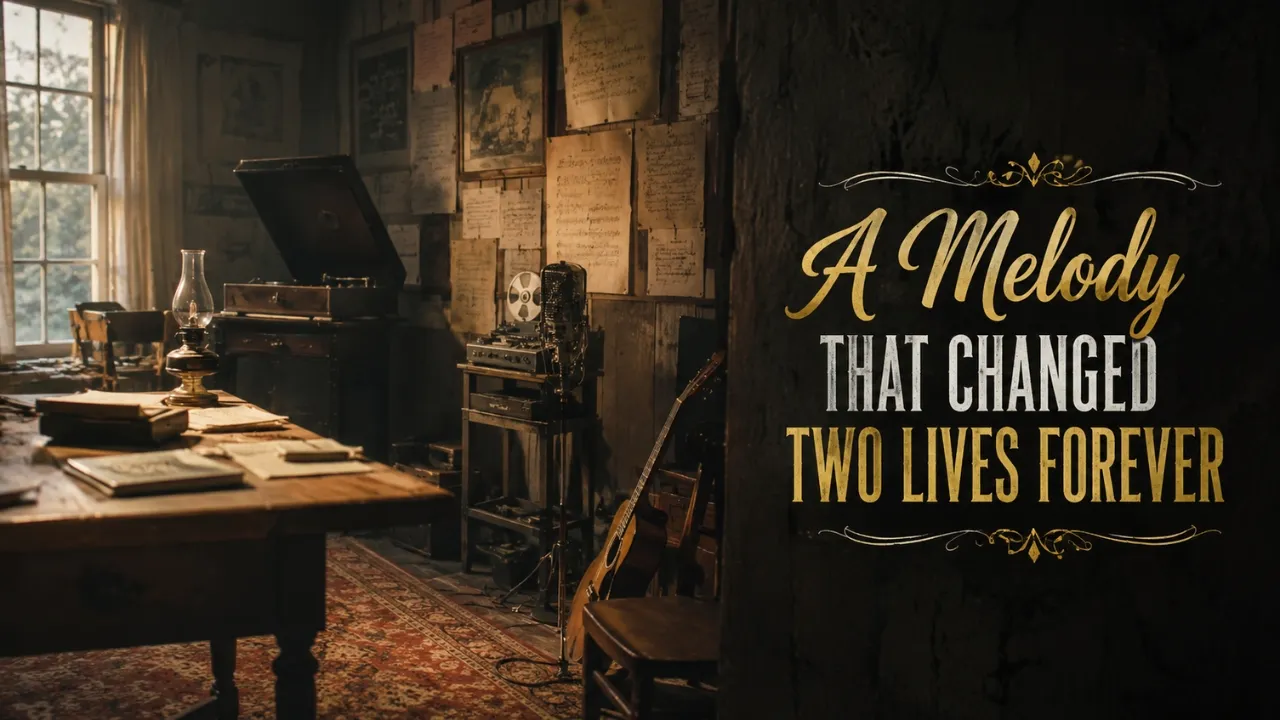
As the story reaches its final chapters, the audience understands that the collection of folk songs has become much more than an academic project. Every recording now represents a shared memory between Lionel and David—a reminder of the people they encountered, the places they visited, and the emotions they experienced together.
The conclusion emphasizes that while human relationships may change or end, the memories created through those relationships continue to exist. The recorded songs become lasting evidence of lives, voices, and emotions that might otherwise disappear with time.
Instead of focusing solely on whether every personal dream is fulfilled, the film asks a more meaningful question: What remains after people are gone?
Its answer is both simple and profound. Stories remain. Music remains. Memory remains.
The final scenes encourage audiences to appreciate the fragile beauty of human connection rather than searching for perfectly resolved endings. This emotional honesty gives the film much of its lasting impact.
Strengths and Weaknesses
| Strengths | Areas That May Not Appeal to Everyone |
|---|---|
| Emotionally authentic storytelling | Deliberately slow pacing |
| Outstanding lead performances | Minimal action or suspense |
| Beautiful cinematography | Requires patient viewing |
| Thoughtful screenplay | Symbolism may feel subtle for some audiences |
| Excellent sound design and music | Viewers expecting a traditional romance may be surprised |
Final Verdict
The History of Sound is not a film designed for audiences seeking constant excitement or dramatic spectacle. Instead, it rewards viewers who appreciate thoughtful storytelling, emotionally layered performances, and beautifully crafted cinema.
Its greatest achievement lies in transforming seemingly ordinary moments into unforgettable emotional experiences. Through music, memory, and quiet human connection, the film explores themes that remain relevant regardless of time or place.
The performances from the lead cast provide the emotional foundation of the story, while Oliver Hermanus directs with remarkable confidence and restraint. Every creative element—from cinematography to sound design—works together to create a cohesive and deeply moving experience.
Although its measured pacing may not satisfy every viewer, those willing to embrace its reflective style will discover a film rich with meaning, authenticity, and emotional depth.
Rather than delivering easy answers, The History of Sound encourages reflection. It reminds us that history is preserved not only in books and photographs but also in songs, voices, and the memories we choose to carry forward.
Frequently Asked Questions (FAQ)
Is The History of Sound based on a true story?
No. The film is adapted from Ben Shattuck’s acclaimed short story. While fictional, it draws inspiration from real traditions of folk music preservation and historical settings.
What genre is The History of Sound?
It combines historical drama, romance, and character-driven storytelling, with a strong emphasis on music and emotional relationships.
Who delivers the standout performance in the film?
Both lead performances are exceptional. Their chemistry and understated acting style contribute significantly to the film’s emotional authenticity.
Is the movie suitable for general audiences?
The film is best suited to viewers who enjoy slow-burning dramas, literary adaptations, and emotionally reflective stories rather than fast-paced entertainment.
What makes The History of Sound unique?
Its quiet storytelling, authentic performances, meaningful use of music, and exploration of memory distinguish it from many conventional historical dramas.
Does the ending resolve every storyline?
The conclusion is intentionally reflective rather than definitive. It emphasizes emotional truth and lasting memory over conventional narrative closure.
Conclusion
The History of Sound demonstrates that powerful cinema does not require elaborate action sequences or constant dramatic twists. Instead, it succeeds through honest performances, thoughtful writing, remarkable visual storytelling, and a profound appreciation for the emotional power of music.
For viewers who value intelligent filmmaking, meaningful relationships, and stories that continue to resonate after the credits roll, this film offers a rewarding and memorable experience. It is a quiet reminder that every voice, every melody, and every shared memory contributes to the larger history of human connection.
Whether you are a fan of historical dramas, literary adaptations, or emotionally driven storytelling, The History of Sound deserves a place on your watchlist. Its themes of love, remembrance, and cultural preservation make it one of the year’s most thoughtful cinematic experiences.
This review focuses on the film’s storytelling, performances, themes, and historical context without revealing major plot twists until the clearly marked spoiler section below.
Have you watched The History of Sound? Share your thoughts in the comments below. Which scene or musical moment stayed with you the longest? We’d love to hear your perspective and continue the conversation with fellow movie enthusiasts.